How to Pest Proof Your Kitchen
May 21, 2026
Kitchens naturally attract pests because they provide easy access to food and water. Even small amounts of crumbs, grease, or…
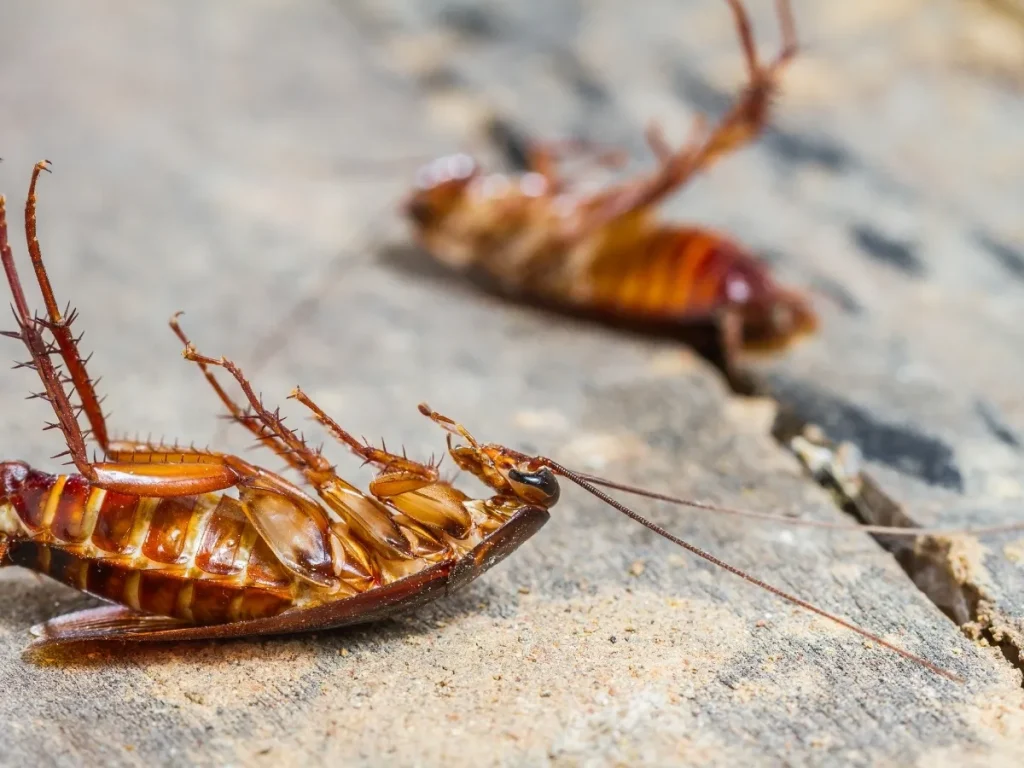
Food is one of the primary factors that attract pests into homes. Insects and rodents are constantly searching for reliable sources of food, and homes often provide easy access if food is not stored properly. Even small crumbs on countertops, unsealed pantry items, or uncovered garbage can attract pests such as ants, cockroaches, and mice. Once these pests locate a dependable food source, they are more likely to remain in the area and begin reproducing, which can quickly lead to a larger infestation.
Proper food storage plays a key role in preventing pest problems. Keeping food in sealed containers made of glass, plastic, or metal can help prevent pests from reaching it. Dry foods such as cereals, grains, flour, and pet food are especially attractive to pests and should always be stored securely. Regular cleaning of kitchen surfaces, floors, and cabinets also helps remove crumbs or spills that could attract insects or rodents. In addition, garbage bins should be tightly closed and emptied frequently to avoid creating an easy food supply for pests.
Maintaining good food storage habits can significantly reduce the chances of pests entering and staying in a home. When pests cannot easily access food, they are less likely to settle and reproduce indoors. Homeowners should also inspect pantry items regularly for signs of contamination, such as small holes in packaging or unusual debris. Combining proper storage, cleanliness, and routine inspections creates a strong defense against pest infestations. If pest activity is already present, professional pest control services like those offered by TAG Pest Control can help identify the source of the problem and provide effective solutions to restore a clean and safe living environment.
Pests are constantly searching for reliable sources of food, and homes often provide many opportunities for them to find it. Areas such as kitchens, pantries, and garbage bins are especially attractive because they contain strong food odors and easy access to scraps. Insects and rodents have highly developed senses that help them detect food even in very small amounts. When pests locate a consistent food source inside a home, they are more likely to remain nearby and continue returning to the same area.
Many common household pests, including rodents, ants, cockroaches, and flies, are drawn to food that is left exposed. Small crumbs on floors or countertops, spilled liquids, and unsealed food containers can all attract pests. Even items such as pet food or uncovered garbage can become dependable food sources. Once pests discover these resources, they may establish nests nearby to maintain easy access. For this reason, food storage pest prevention plays an important role in reducing pest activity. Properly storing food and maintaining clean kitchen spaces helps remove the resources that pests rely on, making the home less appealing to them.
Many homeowners unknowingly create conditions that attract pests. Small storage mistakes can allow pests to access food easily. Recognizing these habits is an important part of food storage pest prevention. Some common mistakes include leaving food uncovered on counters or storing dry goods in thin packaging. Cardboard boxes and plastic bags are easy for rodents to chew through. These materials do not provide strong protection against pests. Another common issue is forgetting to clean up spills or crumbs. Pests can detect food smells from surprising distances. Even a small amount of food residue can attract insects into your home.
One of the best ways to support food storage pest prevention is by using airtight containers. Strong containers create a barrier that pests cannot easily break through. They also help keep food fresh for longer periods. Glass, metal, or thick plastic containers work well for storing dry foods such as cereal, flour, sugar, and rice. Airtight lids prevent food smells from spreading through the kitchen. This makes it harder for pests to detect potential food sources. Pantry shelves should also remain organized so you can easily spot damaged packaging or spills. Checking containers regularly helps ensure pests have not found a way inside.
Keeping kitchen surfaces clean is an important part of effective food storage pest prevention. Food residue left on countertops, tables, and floors can quickly attract insects and rodents searching for easy meals. Even small crumbs or spills can provide enough food to encourage pests to return regularly. Maintaining a consistent cleaning routine helps remove these food sources and makes the kitchen less appealing to pests that may enter the home.
After preparing meals, it is helpful to wipe down kitchen counters and sweep the floor to remove crumbs and food particles. Small bits of food often collect around appliances such as stoves, refrigerators, and dishwashers, where they may go unnoticed if not cleaned regularly. These hidden areas can become feeding spots for pests if they are left unattended. Washing dishes promptly is also important, as leftover food on plates and utensils can attract pests overnight. Cockroaches, ants, and flies are particularly active during the night and may gather around dirty dishes in search of food. Maintaining a clean kitchen environment significantly reduces the chances of pests finding reliable food sources inside the home.
Pet food can easily attract pests if it is not stored or handled properly. Many types of pet food have strong smells that rodents and insects can detect from a distance. If bags of pet food are left open or loosely sealed, they may become a convenient food source for pests searching for easy access to nutrition. For this reason, proper pet food management is an important part of overall food storage pest prevention within the home.
One effective approach is to store pet food in sealed containers rather than leaving it in its original packaging. Durable plastic or metal containers with tight-fitting lids can help prevent pests from reaching the food and reduce the spread of food odors. It is also helpful to avoid leaving pet food bowls out overnight, especially in kitchens or areas where pests may enter. Removing leftover food after pets finish eating and keeping feeding areas clean can significantly reduce the chances of attracting insects or rodents into the home.
Garbage bins can easily attract pests if food waste is not handled properly. Strong food smells can draw insects and rodents from outside into the home. Managing waste is an important step in food storage pest prevention. Kitchen garbage should be emptied regularly to prevent odours from building up. Use bins with tight fitting lids that prevent pests from accessing food waste. Outdoor garbage bins should also be sealed and placed away from entry points such as doors and windows. This helps reduce the chances of pests moving from outdoor garbage areas into your home.
Regularly inspecting pantry items is an important part of effective food storage pest prevention. Some pests, including pantry moths and certain beetles, can enter homes through packaged foods purchased from stores. Once inside, these pests may spread to other food items if they are not detected early. By checking pantry products frequently, homeowners can identify potential problems before they develop into a larger infestation.
It is helpful to examine new food items before placing them on pantry shelves. Look for small holes in packaging, damaged seals, or signs of insects inside containers. If any suspicious signs are present, the product should be discarded or handled carefully to prevent pests from spreading. Rotating older food items to the front of shelves is also a useful practice, as it ensures that products are used before they expire or spoil. This simple habit helps keep the pantry organized while reducing the chances of hidden pest activity developing over time.
Even with good food storage practices, pests may still enter a home if there are easy access points around the structure. Sealing these openings is an important part of effective food storage pest prevention because it helps keep pests from reaching areas where food is stored or prepared. Small gaps around doors, windows, and utility openings can allow insects and rodents to enter unnoticed, giving them access to kitchens, pantries, and other food-related areas.
Homeowners can reduce this risk by regularly inspecting the home for small cracks or openings. Areas around doors, windows, pipes, vents, and foundations should be checked carefully, as pests such as mice and insects can squeeze through very small spaces. Applying caulking to seal cracks and using weather stripping around doors and windows can help close these gaps and block potential entry points. Preventing pests from entering the home in the first place is just as important as removing the food sources that attract them, and combining both strategies can significantly reduce the likelihood of pest problems.
Sometimes pests continue to appear despite careful food storage habits. This may mean there is an existing infestation that requires professional treatment. In these situations, expert pest control can help restore a pest free environment. Professional pest control specialists know how to locate nests and identify the source of infestations. They can also recommend additional food storage pest prevention strategies that suit your home.
At TAG Pest Control, we offer reliable pest management solutions designed to protect Canadian homes. Homeowners can explore our full range of services through our trusted pest control solutions. Residents who need local support can also learn more about our specialized Langley pest control services for pest problems common in the area.
Understanding the importance of food storage pest prevention can make a significant difference in keeping pests out of your home. Simple habits such as sealing food containers, cleaning surfaces, and managing garbage can greatly reduce pest attraction. Pests rely on food sources to survive, so removing easy access to food is one of the most effective prevention strategies.
Regular inspections and proper storage methods help create a cleaner and safer home environment. At TAG Pest Control, we are committed to helping homeowners maintain pest free homes through prevention and professional support. If you are experiencing pest problems or want expert advice, our team is here to help. Visit our contact page today and let TAG Pest Control provide the trusted protection your home deserves.