How Moisture Problems Attract Household Pests
May 18, 2026
Moisture problems inside a home often create the perfect environment for many common household pests. Insects, rodents and mice need…
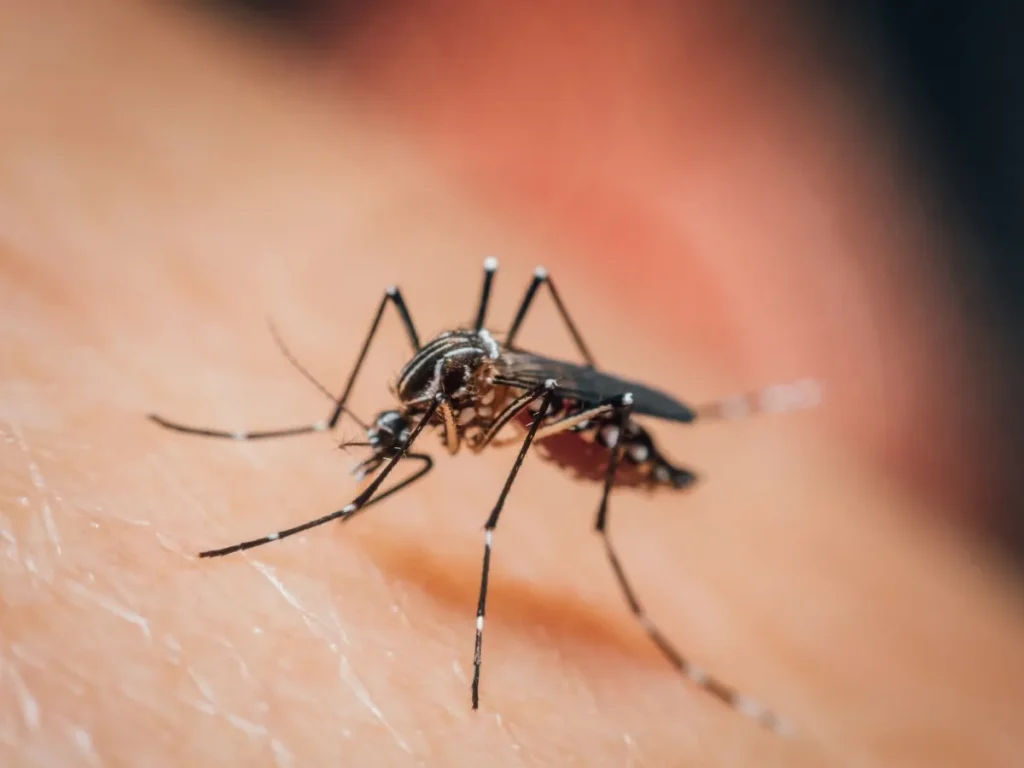
Ignoring pest problems can lead to far greater costs than addressing them early. Small infestations, such as a few ants or a single rodent, can multiply rapidly if left unchecked. Many pests reproduce at astonishing rates, allowing colonies to grow exponentially within weeks or months. As the population expands, the damage they cause, whether it’s chewing through wiring, gnawing on furniture, or contaminating stored food, becomes more extensive and expensive to repair. What starts as a minor nuisance can quickly turn into a major financial burden.
Beyond physical damage, pests pose health risks that can increase medical and cleanup expenses. Rodents can carry diseases, and insects like cockroaches and mosquitoes can trigger allergies or transmit illnesses. Mold and bacteria can also develop from pest-related moisture or waste, further compounding health concerns. These indirect costs are often overlooked but can be significant, especially when families or pets are exposed over long periods. Timely intervention prevents both property damage and potential health consequences.
Investing in early pest control is therefore far more cost-effective than waiting until infestations are severe. Preventive measures, routine inspections, and prompt treatments limit the spread of pests and minimize repair costs. By taking action at the first signs of a problem, homeowners protect their property, save money, and maintain a safe, comfortable living environment. In the long run, proactive pest management is an investment in both home preservation and peace of mind.
Pest damage costs tend to increase over time because infestations can grow rapidly if left untreated. Many pests, including rodents and insects, reproduce quickly and expand their colonies within a short period. A minor rodent problem, for example, can escalate into a significant infestation as mice or rats establish nests inside walls, attics, or crawl spaces, causing structural damage along the way. Similarly, insects such as ants or cockroaches can spread throughout multiple rooms once they locate food sources, compounding the problem.
The longer pests remain unchecked, the more opportunities they have to damage materials, contaminate surfaces, and disrupt household systems. Small, initially manageable issues can evolve into extensive infestations that require costly repairs, professional extermination, and cleanup. Early intervention not only reduces the physical damage caused by pests but also helps homeowners avoid escalating expenses, emphasizing the importance of prompt pest control measures.
One of the most serious pest damage costs involves structural damage to buildings. Some pests target wood and other materials that support the structure of a home. Carpenter ants and termites are known for damaging wooden structures. Carpenter ants tunnel through wood to build nests, while termites feed directly on wood and cellulose materials. Over time, these pests can weaken floors, beams, and wall structures. The damage may remain hidden until it becomes severe. Repairing structural damage caused by pests can be very expensive. In some cases, homeowners may need major renovations to restore affected areas.
Rodents can cause significant hidden damage within a home, particularly in walls and ceilings where they often remain undetected. Mice and rats frequently chew on insulation, drywall, and electrical wiring, creating hazards that go beyond simple nuisance. Chewed wires pose a serious fire risk, while damaged insulation can compromise the home’s energy efficiency, leading to higher heating and cooling costs. Because these issues occur behind walls, they often remain unnoticed until electrical malfunctions or heating problems arise.
Repairing this type of damage can be costly and invasive, often requiring sections of walls or ceilings to be opened and materials replaced. Preventing rodent infestations early is therefore critical, not only to protect the home’s structural and electrical integrity but also to avoid expensive repairs. Regular monitoring, sealing entry points, and proactive pest control can help homeowners safeguard their property and minimize the risk of hidden damage caused by rodents.
Pests such as cockroaches, rodents, and ants can contaminate food and kitchen surfaces. They often carry bacteria that can spread to food preparation areas. Rodents leave droppings and urine wherever they travel. Cockroaches can spread bacteria through contact with surfaces and stored food. When infestations occur in kitchens or pantries, contaminated food often needs to be thrown away. Cleaning and disinfecting affected areas may also require professional help. These sanitation issues add to the overall pest damage costs homeowners may face.
Pests pose a significant threat to personal belongings, particularly in areas where items are stored for long periods. Rodents and insects may chew through or nest inside furniture, clothing, books, and storage containers, causing both structural and cosmetic damage. Attics, basements, and garages are especially vulnerable, as these spaces are often quiet, dark, and rarely inspected, providing ideal conditions for pests to remain undisturbed.
Certain materials, such as paper, fabrics, and insulation, are particularly attractive to nesting pests. Damage to these items can quickly become costly, especially when valuable or sentimental belongings are affected. Maintaining clean, well-organized storage areas and using sealed containers can reduce the risk of infestations, protecting personal property and minimizing the financial and emotional impact of pest-related damage.
Another important factor in pest damage costs is the potential impact on health. Some pests carry bacteria, allergens, or parasites that can affect people and pets. Rodent droppings and urine can spread harmful bacteria. Cockroach allergens may trigger asthma or allergy symptoms in some individuals. Certain pests, such as fleas and ticks, may also carry diseases that affect both humans and animals. Protecting the health of your household is one of the most important reasons to address pest problems quickly.
The longer pests remain untreated, the larger their populations can grow. Large infestations often require more extensive pest control treatments. For example, eliminating a small ant colony is usually easier than removing multiple nests spread throughout a property. Similarly, a minor rodent issue is much simpler to manage than a full infestation inside walls and attics. Larger infestations may require multiple treatments, repairs, and cleanup efforts. These additional services contribute to higher pest damage costs. Early pest control helps prevent infestations from reaching this stage.
Preventative maintenance is one of the most cost-effective strategies for protecting a home from pest infestations. Rather than waiting for damage to occur, homeowners can take simple steps to reduce the likelihood of pests gaining entry. Sealing cracks and gaps around doors and windows, repairing leaks, and controlling moisture are fundamental measures that make a home less inviting to insects and rodents. Additionally, storing food in sealed containers, keeping garbage bins tightly closed, and maintaining organized storage areas further limits opportunities for pests to thrive.
Regular inspections complement these preventative measures by allowing homeowners to identify early signs of pest activity before infestations become severe. By addressing potential problems promptly, it is possible to avoid the higher costs associated with repairing structural damage, electrical issues, or contaminated food. Consistently implementing preventative pest control strategies not only protects the home but also provides long-term savings, making it a practical and proactive approach to household maintenance.
Professional pest control services play an important role in preventing and managing infestations. Pest control technicians understand pest behaviour and know where pests typically hide. At TAG Pest Control, our team carefully inspects homes to identify both active infestations and potential risk areas. We provide treatments designed to eliminate pests while also preventing future problems. Homeowners can learn more about our services by visiting our pest control services page. For residents in the region, our Langley pest control specialists understand the pests that commonly affect local homes.
This local experience allows us to deliver effective and reliable solutions. Ignoring pest problems can lead to stress and uncertainty for homeowners. Hearing noises in walls or seeing insects repeatedly can make people uncomfortable in their own homes. Addressing pest issues quickly restores peace of mind. Knowing that professionals are managing the situation helps homeowners feel confident that the problem will be resolved. Preventative pest control also helps maintain a safe and comfortable living environment.
Pest infestations rarely solve themselves. In fact, they usually grow larger and more damaging over time. Pest damage costs can increase quickly when problems are ignored, leading to structural damage, contaminated food, health risks, and expensive repairs. Taking action early is the best way to protect your home and your budget. Simple preventative steps and regular inspections can help keep pests from becoming a serious issue.
If you suspect pest activity or want to prevent future infestations, professional help can provide reliable protection. At TAG Pest Control, we help homeowners detect pest problems early and provide effective solutions to protect their properties. If you need expert assistance, visit our contact page and let our team help keep your home safe, protected, and pest free.