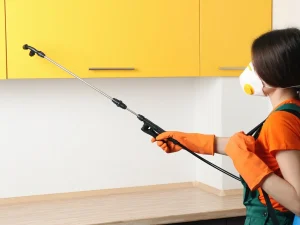
Pest Control Maple Ridge: What Homeowners Can Expect to Pay
June 22, 2026
Pests can quickly turn a comfortable home into a source of frustration and concern. Whether you have discovered ants in…

At TAG Pest Control, we often hear homeowners ask why pest problems keep coming back in Langley homes. Many people feel frustrated after treating an infestation, only to see pests return weeks or months later. You may clean thoroughly, use store bought products, or even set traps, yet the problem persists. This is a common experience in Langley due to a combination of environmental factors and incomplete solutions.
Recurring pest issues are rarely a sign of neglect. They are usually a sign that the root cause has not been fully addressed. Langley’s mix of urban development, older homes, farmland, and changing seasons creates ongoing pest pressure. Pests are highly adaptable and will return if conditions allow. Understanding why pest problems keep coming back is the key to stopping the cycle. In this guide, we explain the most common reasons infestations return and what homeowners can do differently. Long term prevention is always more effective than repeated treatments.
One reason why pest problems keep coming back in Langley homes is the local environment. Langley includes dense neighbourhoods, rural properties, and expanding commercial areas. Construction and development disturb pest habitats and push them into nearby homes. Farmland and green spaces support rodent and insect populations year round. These pests are always searching for food and shelter. Seasonal changes also play a major role. Rodents move indoors as temperatures drop, while insects respond to moisture and warmth. Even if pests are removed once, new ones are always nearby. Without proper prevention, reinfestation is likely. Langley homeowners face ongoing exposure rather than isolated incidents.
A common reason pest problems return is that treatments focus only on visible pests. Spraying ants, trapping mice, or removing a wasp nest may solve the immediate issue. However, these actions do not explain why pests entered the home. Entry points, nesting areas, and attractants often remain untouched. This allows new pests to move in easily. Pests are persistent and will exploit the same weaknesses repeatedly. If access points are not sealed, infestations restart. Treating symptoms without addressing causes leads to a cycle of frustration. Understanding why pest problems keep coming back means looking beyond what you can see.
Many homeowners are surprised to learn how pests enter their homes. Small gaps around doors, windows, and foundations are enough for insects and rodents. Utility lines, vents, and rooflines are common access points. Over time, weather and settling create new cracks and openings. These vulnerabilities often go unnoticed. Mice can squeeze through openings as small as a coin. Ants need only tiny cracks to enter. Once inside, pests move through walls and ceilings unseen. Without sealing these entry points, pests continue to return. Exclusion is one of the most important steps in long term prevention.
Another major reason why pest problems keep coming back is the availability of food and water. Even clean homes can provide enough resources for pests. Crumbs, pet food, and garbage attract insects and rodents. Moisture from leaks, condensation, or poor drainage supports pest survival. These conditions often persist after treatment. Pests only need small amounts of food to survive. Garages, basements, and storage areas are common problem zones. Outdoor attractants such as compost and bird feeders also play a role. Without addressing these resources, pests have no reason to leave permanently.
Many pests establish nesting sites inside walls, attics, crawl spaces, and insulation. These areas are rarely disturbed and provide warmth and protection. Traps and sprays often do not reach these hidden spaces. As a result, pests may remain even after visible activity stops. This leads to reinfestation later. Rodents reproduce quickly when nesting sites are secure. Insects such as ants maintain colonies that can survive treatment attempts. Removing nests is essential for lasting results. This is a key factor in understanding why pest problems keep coming back.
DIY pest control is often part of the recurring problem. Store bought products are designed for general use and limited situations. They rarely address complex infestations or hidden activity. Homeowners may unknowingly apply treatments incorrectly or inconsistently. This reduces effectiveness. DIY methods also lack monitoring and follow up. Once pests disappear temporarily, treatment stops. However, surviving pests or new arrivals go unnoticed until the problem resurfaces. While DIY efforts may help short term, they often fail to provide lasting protection. This is why professional assessment matters.
In many Langley neighbourhoods, homes are close together or share infrastructure. Townhomes, duplexes, and apartments allow pests to move between units. Even detached homes can be affected by neighbouring infestations. If surrounding properties have pest issues, reinfestation becomes more likely. Shared garbage areas, fences, and landscaping also contribute. Treating one home alone may not stop pests from returning. Coordinated prevention is sometimes necessary. This external pressure explains why pest problems keep coming back despite individual efforts.
Many homeowners notice pests returning around the same time each year. This is not a coincidence. Seasonal patterns strongly influence pest behaviour. Ants return in spring, wasps appear in summer, and rodents seek shelter in fall. Without seasonal preparation, infestations repeat annually. Langley’s mild climate allows pests to remain active for long periods. Homes that are not prepared for seasonal changes remain vulnerable. Prevention must be adjusted throughout the year. Recognizing these patterns helps break the cycle.
Recurring pest problems pose more than just inconvenience. Rodents contaminate surfaces and damage wiring. Insects spread bacteria and allergens. Repeated infestations increase health risks for families and pets. Property damage also accumulates over time.
Ignoring recurring issues allows pests to establish deeper infestations. Repairs become more costly, and stress increases. Addressing why pest problems keep coming back protects both health and property. Prevention is always safer than repeated treatment.
Long term pest prevention focuses on making homes less attractive and accessible to pests. This includes sealing entry points, reducing food and water sources, and removing nesting opportunities. Regular inspections help catch new vulnerabilities early. Monitoring ensures pests do not return unnoticed. Professional pest control combines treatment with prevention. At TAG Pest Control, we design plans that address the entire property, not just the infestation. Our goal is to stop pests from coming back. You can learn more about our comprehensive approach on our services page.
Local experience plays a major role in preventing recurring pest problems. Langley’s neighbourhoods, building styles, and pest patterns vary widely. At TAG Pest Control, we understand these local factors. This allows us to anticipate common issues and tailor solutions accordingly. We know which pests are most active in each season and area. This insight improves prevention strategies. Learn more about our trusted Langley pest control services. Local expertise leads to better results.
Homeowners can support long term pest prevention with consistent habits. Seal gaps around doors, windows, and foundations. Store food securely and clean regularly. Fix leaks and manage moisture promptly. Reduce clutter in storage areas and garages.
Inspect the exterior of the home seasonally. Trim vegetation away from the structure. Secure garbage and compost bins. Early action makes a big difference. These steps work best when combined with professional support.
If pests keep returning despite your efforts, it is time for a professional assessment. Repeated sightings, droppings, or damage indicate an unresolved issue. DIY methods may no longer be effective. Professional pest control identifies problems that are easy to miss. Early intervention prevents infestations from becoming more severe. Professional guidance saves time, money, and stress. Understanding when to seek help is part of effective pest management.
If you are dealing with recurring infestations and wondering why pest problems keep coming back in your Langley home, our team is here to help. We provide thorough inspections, honest recommendations, and long term solutions. Every home is different, and our approach reflects that. Contact us through our contact page to schedule an inspection. We are happy to answer your questions and help you break the cycle of recurring pest problems. Your home deserves reliable protection.
Understanding why pest problems keep coming back in Langley homes is the first step toward lasting relief. Recurring infestations are usually the result of hidden access points, ongoing attractants, and incomplete treatment. With proactive prevention and professional support, this cycle can be stopped. At TAG Pest Control, we are proud to help Langley homeowners achieve long term peace of mind. When you are ready to stop pests from coming back, TAG Pest Control is the trusted partner you can rely on.