How Moisture Problems Attract Household Pests
May 18, 2026
Moisture problems inside a home often create the perfect environment for many common household pests. Insects, rodents and mice need…
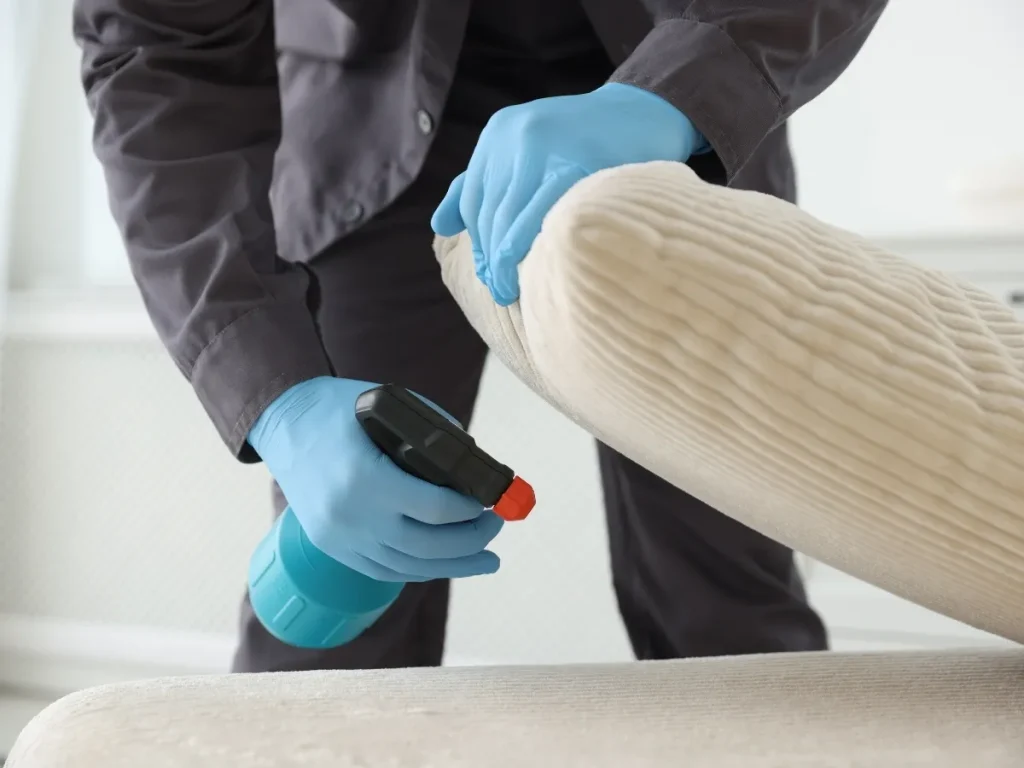
Older homes often develop structural vulnerabilities over time, which can make them more inviting to pests. As materials age, small cracks and gaps can form in foundations, walls, and around windows or doors. These openings may seem insignificant, but they provide easy access for insects and rodents searching for shelter. Additionally, older construction methods may not include the same sealing techniques used in modern homes, leaving more opportunities for pests to enter unnoticed.
Another factor is the gradual wear and tear on essential systems such as plumbing, roofing, and ventilation. Leaky pipes, poor drainage, or aging roofs can introduce moisture into areas that should remain dry. Many pests, including termites, cockroaches, and silverfish, thrive in damp environments. Even if a home is kept clean, these hidden moisture issues can create ideal conditions for infestations to develop behind walls or under floors, where they are harder to detect.
Finally, older homes may have accumulated layers of clutter, unused spaces, or outdated materials that provide perfect hiding spots for pests. Attics, basements, and crawl spaces are especially common problem areas, as they are less frequently inspected and maintained. Over time, these spaces can become safe havens for nesting and breeding. By understanding these underlying causes, homeowners can take targeted steps such as sealing entry points, addressing moisture problems, and maintaining regular inspections to reduce the risk of pest activity.
Older homes are particularly vulnerable to pest infestations due to the natural wear and tear of building materials over time. As structures settle and age, small cracks and gaps begin to form in areas such as foundations, window frames, door seals, and around utility penetrations. While these openings may seem insignificant, they provide easy access for pests seeking shelter, food, and warmth. Even the smallest gaps can allow insects like ants or larger pests such as mice to enter, making these hidden vulnerabilities a major contributor to recurring infestations.
Addressing these structural issues is a key step in effective pest prevention. Regular inspections help identify problem areas before they become entry points for pests, allowing homeowners or property managers to take timely action. Sealing cracks with appropriate materials, repairing damaged seals, and reinforcing vulnerable areas can significantly reduce the chances of pests gaining access. By maintaining the structural integrity of the property and eliminating these entry points, it becomes much easier to keep indoor spaces protected and pest-free over the long term.
Older homes often have materials that have worn down over the years. Wood may rot, seals may weaken, and insulation can break apart. These changes make it easier for pests to move through walls and ceilings. Rodents can chew through soft wood, while insects can hide in damaged insulation. These materials provide both shelter and access, allowing pests to travel freely inside the home. Updating or repairing these materials helps reduce the risk. Even small improvements can limit the areas where pests can hide and nest.
Moisture is a major factor when it comes to pests in older homes. Older plumbing systems and roofing may develop leaks over time. Basements and crawl spaces are also more likely to have damp conditions. Pests such as cockroaches, silverfish, and certain ants are drawn to moisture. These environments provide the water they need to survive. Once they find a damp area, they are likely to stay and reproduce. Fixing leaks and improving ventilation can help reduce moisture levels. Keeping these areas dry makes your home less appealing to pests.
Outdated sealing and insulation in older homes can create hidden vulnerabilities that make it easier for pests to enter and settle. As materials age, they often shrink, crack, or deteriorate, leaving behind gaps around pipes, vents, windows, and wiring. These small openings may seem insignificant, but they provide convenient access points for insects and rodents looking for shelter, warmth, and food. Over time, what begins as minor wear can turn into a larger issue, increasing the risk of infestations and reducing the overall effectiveness of the home’s protective barriers.
Upgrading insulation and resealing problem areas is a practical way to strengthen your home against pests while improving overall performance. Modern materials are designed to be more durable and efficient, helping to close off entry points and maintain a more controlled indoor environment. In addition to better pest prevention, these improvements can enhance energy efficiency by reducing drafts and heat loss. This not only creates a more comfortable living space but can also lead to lower energy costs, making it a smart long-term investment.
Older homes often feature attics, crawl spaces, and additional storage areas that, while practical, can unintentionally provide ideal shelter for pests. These spaces are typically quiet, undisturbed, and sometimes difficult to access, making them attractive nesting sites. When clutter accumulates, such as boxes, old furniture, or unused items, it creates layers of cover where pests can hide, breed, and remain unnoticed for extended periods. Once established in these hidden areas, pests can gradually spread to more active parts of the home, increasing the difficulty of control.
Maintaining cleanliness and organization in these spaces is essential for reducing the risk of infestations. Decluttering removes potential hiding spots and makes it easier to spot early signs of pest activity, such as droppings or damage. Regular inspections of attics, basements, and crawl spaces allow homeowners to address issues before they escalate. By keeping these areas well-managed and minimizing unnecessary storage, you create an environment that is far less inviting for pests to settle and thrive.
Poor ventilation in older homes often leads to excess moisture and stagnant air, creating an environment where pests can thrive. Humid conditions are especially attractive to insects such as cockroaches, silverfish, and termites, while rodents are drawn to quiet, undisturbed areas with limited airflow. Spaces like basements, attics, and wall cavities are particularly vulnerable, as they tend to trap humidity and remain largely unnoticed. Over time, this combination of moisture and low air circulation not only encourages infestations but can also contribute to structural issues that further attract pests.
Improving ventilation is an effective way to make your home less hospitable to unwanted intruders. Enhancing airflow helps reduce moisture buildup, making it harder for pests to survive and reproduce. Simple measures such as installing vents, using exhaust fans, or adding dehumidifiers in problem areas can significantly improve conditions. Regular maintenance of ventilation systems also ensures they continue to function properly. By addressing airflow and moisture levels, homeowners can create a healthier indoor environment while reducing the likelihood of persistent pest problems.
Older homes can be more sensitive to seasonal changes. Temperature shifts can cause materials to expand and contract, creating new gaps. These changes make it easier for pests to find entry points throughout the year. During colder months, rodents look for warm indoor spaces. In warmer months, insects become more active and search for food and shelter. Older homes often provide easy access during both seasons. Staying proactive throughout the year is key. Seasonal inspections and maintenance help prevent sudden infestations.
While older homes may be more vulnerable, there are many effective ways to reduce the risk of infestations. A proactive approach is always the best solution. Carefully inspect your home for cracks and gaps. Pay close attention to windows, doors, and foundations. Sealing these areas helps block common entry points. Fix leaks quickly and ensure proper drainage around your home. Use dehumidifiers in damp areas if needed.
Keeping moisture levels low discourages many pests. Regular cleaning reduces food sources and hiding spots. Focus on kitchens, storage areas, and basements. Keeping these areas tidy makes your home less attractive to pests. Professional inspections can identify issues that are easy to miss. At TAG Pest Control, we offer thorough assessments and effective treatments tailored to your needs. Learn more about our pest control services.
Sometimes pest problems go beyond what basic prevention can handle. If you notice ongoing activity or signs of an infestation, it is time to seek expert help. Professionals have the tools and experience to locate and treat pests effectively. They also provide long term solutions that prevent future issues. If you are dealing with persistent problems, our Langley pest control team is ready to help you protect your home with reliable and safe treatments.
Maintaining an older home requires care and attention, especially when it comes to pest control. Infestations can lead to damage that affects both the structure and value of your property. By staying proactive, you can preserve the charm of your home while keeping it safe and comfortable. Regular maintenance and professional support make a significant difference over time.
Understanding why pests in older homes are more common helps you take the right steps to prevent them. From structural gaps to moisture issues, many factors contribute to infestations, but they can be managed with proper care. At TAG Pest Control, we are committed to helping homeowners protect their properties with effective and reliable solutions. If you want to keep your home pest free and well maintained, reach out through our contact page today. Let us help you enjoy the comfort and character of your home without the stress of unwanted pests.