How to Pest Proof Your Kitchen
May 21, 2026
Kitchens naturally attract pests because they provide easy access to food and water. Even small amounts of crumbs, grease, or…
Pests often enter homes quietly and can remain hidden for long periods of time before homeowners realize there is a problem. Many insects and rodents prefer dark, undisturbed areas such as basements, attics, wall cavities, and storage spaces, which makes them difficult to detect in the early stages. Because of this, infestations can grow significantly before any visible signs appear. Early pest detection is important because it allows homeowners to address problems before pests spread throughout the property. Recognizing the first signs of pest activity can help protect both the home and the health of the people living in it.
One of the most common indicators of pest activity is the presence of droppings, chew marks, or damaged materials around the home. Rodents often leave small droppings near food sources or along walls where they travel, while insects may leave behind shed skins, egg casings, or small piles of debris. Unusual sounds such as scratching, rustling, or movement in walls and ceilings may also signal the presence of pests. In addition, homeowners may notice unpleasant odors, grease marks along baseboards, or small holes in packaging or furniture. Paying attention to these warning signs can help identify a problem before it becomes more serious.
Regular home inspections and good sanitation practices can also play an important role in early pest detection. Checking areas such as kitchen cabinets, storage rooms, attics, and basements for signs of activity can help homeowners catch infestations early. Sealing cracks, repairing damaged screens, and keeping food properly stored can reduce the chances of pests entering the home. However, when signs of pest activity appear, professional assistance is often the most reliable solution. Pest control professionals, such as the team at TAG Pest Control, can identify hidden infestations, recommend effective treatments, and help homeowners maintain a safe and pest-free environment.
Early pest detection is important because many pests reproduce rapidly once they establish themselves inside a home. Rodents, insects, and other pests often hide in areas that are rarely seen, such as wall cavities, attics, basements, or crawl spaces. Because these areas are quiet and undisturbed, pests can multiply without being noticed for long periods of time. By the time homeowners begin to see clear signs of activity, the infestation may already be widespread. Detecting pest activity early allows homeowners to take action before the problem grows larger and more difficult to control.
Early detection also helps protect a home from damage and health risks. Certain pests can chew through materials such as electrical wiring, wood, and insulation, potentially causing structural problems or safety hazards. Others may contaminate stored food or spread bacteria throughout living spaces. Addressing pest issues quickly helps limit these risks and keeps the home environment safer for residents. In addition, early intervention is often more cost-effective. Smaller infestations typically require less extensive treatment and fewer repairs, while delayed action can lead to expensive structural damage and long-term pest problems that are harder to resolve.
One of the most effective ways to achieve early pest detection is by recognizing the subtle warning signs that pests often leave behind. Even when pests remain hidden, their presence is usually revealed through small clues around the home. These signs can appear in kitchens, storage areas, basements, or other quiet parts of the house where pests are likely to search for food or build nests. Paying attention to these early indicators can help homeowners identify potential infestations before they grow larger and more difficult to manage.
Common warning signs include small droppings found in cupboards, drawers, or along room corners, as well as chewed food packaging or damaged boxes in pantry areas. Scratching or movement sounds coming from walls, ceilings, or attics may also indicate rodents or other pests moving through hidden spaces. Greasy marks along baseboards or walls can appear when rodents repeatedly travel the same paths. Tiny holes in wood, furniture, or structural materials may signal insect activity, while unusual or musty odors in certain areas of the home can sometimes indicate hidden nests or pest infestations. Although these signs may seem minor at first, they often point to a developing problem that requires prompt attention.
The kitchen is one of the most common places for pest activity. Food crumbs, spills, and garbage can easily attract insects and rodents. Regular inspections of this space are an important part of early pest detection. Start by checking under appliances such as the refrigerator and stove. These areas often collect crumbs and food debris that pests can access.
You should also inspect cabinets and pantry shelves for droppings or damaged packaging. Keeping kitchen surfaces clean can greatly reduce pest attraction. Wiping counters daily and storing food in sealed containers can prevent pests from finding easy meals. Even small cleaning habits can make a big difference in preventing infestations.
Many pests prefer to hide in dark and quiet spaces during the day. Basements, attics, crawl spaces, and storage rooms can provide ideal shelter. These areas should be checked regularly to support early pest detection. Look for signs such as droppings, nesting materials, or damaged insulation. You may also notice unusual smells or small holes in walls or boxes. These clues often indicate that pests are active nearby. Using a flashlight during inspections can help you see hidden corners more clearly. It is also helpful to reduce clutter in storage areas. Organized spaces make it easier to spot changes or signs of pest activity.
Another important step in early pest detection is observing changes in and around your home. Pests often leave subtle signs that something is not right. For example, you may hear scratching sounds in the walls late at night. Rodents are often active during quiet hours when they search for food. You might also notice small piles of wood dust near furniture or baseboards, which can indicate carpenter ants or other wood damaging pests. Unusual insect activity indoors can also be a warning sign. If you suddenly see several ants, spiders, or other insects, it may indicate that a nest is nearby. Monitoring these changes helps homeowners respond quickly before the situation worsens.
Pests usually enter homes through small gaps or openings in the building structure. Identifying these entry points is an important part of early pest detection. Walk around the exterior of your home and look for cracks in the foundation or gaps around windows and doors. Small openings around pipes, vents, or utility lines can also allow pests inside. Sealing these areas with proper materials can prevent pests from entering. Weather stripping, caulking, and door sweeps can all help create a stronger barrier against pests. Regular home maintenance can significantly reduce the chances of pest infestations.
Pest problems often begin outside the home before moving indoors. Observing outdoor areas can help support early pest detection and prevent pests from entering your house. Check your yard for signs of pest activity such as nests, burrows, or insect swarms. Piles of wood, leaves, or debris can attract pests looking for shelter. Overgrown plants near walls can also provide easy access for insects and rodents. Keeping your yard tidy helps reduce these risks. Trim shrubs away from the home and store firewood away from the foundation. These simple steps help discourage pests from settling close to your house.
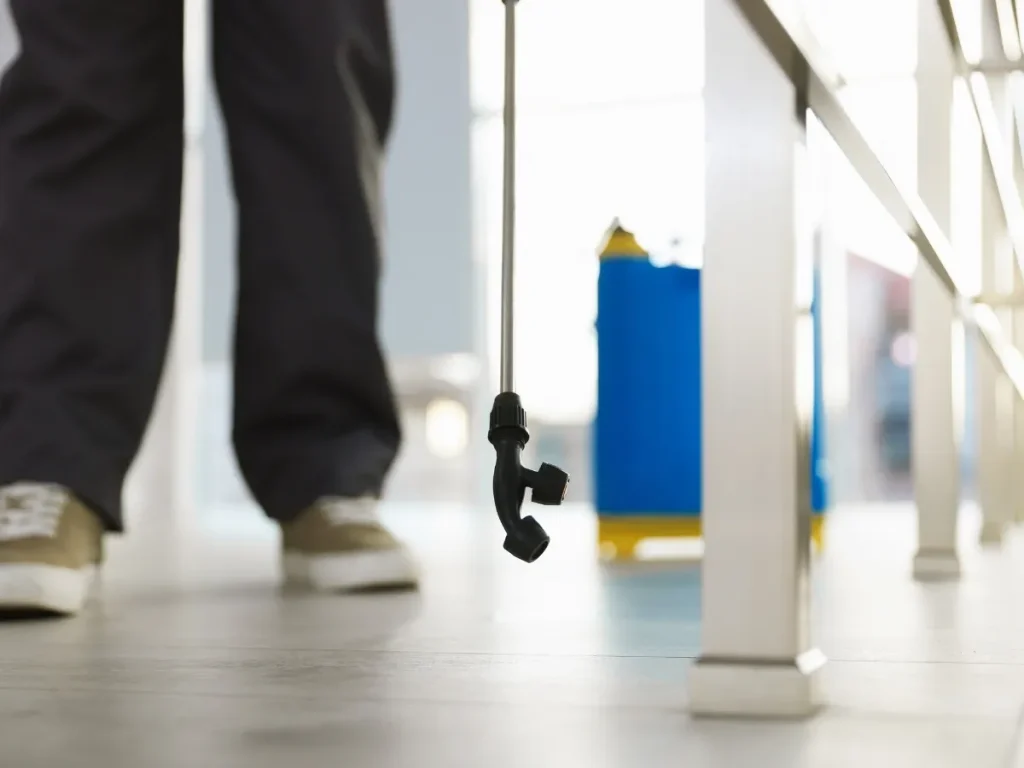
Even careful homeowners may miss certain signs of pest activity. Professional inspections can play an important role in early pest detection. Trained technicians know exactly where to look and what signs indicate a developing infestation. Professional pest control teams can inspect hidden areas that homeowners rarely check. They can also identify pest species and recommend the most effective treatment options.
At TAG Pest Control, we offer reliable solutions designed to protect homes from pest problems. Homeowners can explore our full range of professional services through our trusted pest control solutions. Residents who need local support can also learn more about our specialized Langley pest control services, where we help homeowners manage pests common to the region.
Developing simple daily or weekly habits can greatly improve early pest detection in the home. When homeowners regularly observe their surroundings and stay aware of small changes, it becomes easier to notice early signs of pest activity. Many infestations begin quietly in hidden areas, but routine checks can reveal subtle clues before the problem grows. By staying attentive to different parts of the home, residents can respond quickly and prevent pests from becoming established. Several small habits can make a meaningful difference. Checking pantry shelves and food storage areas each week can help identify signs such as droppings, damaged packaging, or insects near stored food.
Listening for unusual scratching or movement sounds in walls or ceilings may indicate rodents or other pests moving through hidden spaces. Regularly inspecting basements, garages, and storage areas can reveal nests, debris, or moisture that attracts pests. It is also helpful to monitor outdoor areas around the home for burrows, nests, or pest activity near foundations. Additionally, keeping track of any sudden increase in insects indoors can signal a developing issue. Although these habits take only a few minutes, they can help homeowners detect problems early and avoid more serious pest infestations later.
Understanding the importance of early pest detection can help Canadian homeowners stay ahead of pest problems. Recognizing warning signs such as droppings, unusual sounds, or damaged materials allows you to act before pests spread throughout your home. Regular inspections, good cleaning habits, and sealing entry points all play an important role in preventing infestations.
However, some pest problems require professional expertise to handle safely and effectively. Acting quickly when signs appear can protect both your property and your family’s health. At TAG Pest Control, we are committed to helping homeowners stop pest problems before they grow. If you suspect pest activity or want a professional inspection, our team is ready to help. Contact us today through our contact page and let TAG Pest Control keep your home protected year round.