How to Pest Proof Your Kitchen
May 21, 2026
Kitchens naturally attract pests because they provide easy access to food and water. Even small amounts of crumbs, grease, or…
A hidden pest problem can develop without homeowners noticing right away because many pests prefer to stay out of sight. Rodents, insects, and other pests often hide in places such as wall cavities, attics, basements, or behind large appliances where they are less likely to be disturbed. Even though the pests themselves may not be visible, they often leave behind clear signs of activity. These signs can include droppings, gnaw marks, damaged materials, or small holes in food packaging. Recognizing these early indicators can help homeowners detect a hidden infestation before it becomes more severe.
Unusual sounds inside the home can also signal a hidden pest issue. Scratching, scurrying, or rustling noises coming from walls or ceilings are often associated with rodents moving through enclosed spaces. Insects may create other subtle clues, such as small piles of debris, shed skins, or wings near windows and light fixtures. In some cases, homeowners may notice a persistent unpleasant odor caused by droppings, nesting materials, or decaying pests hidden inside walls or other confined areas. These warning signs often appear before the pests themselves are seen.
Regular inspections and careful observation can help homeowners detect hidden pest problems early. Checking areas such as attics, basements, cabinets, and storage spaces for signs of pest activity can reveal issues that might otherwise go unnoticed. Keeping the home clean, sealing entry points, and reducing moisture can also help prevent pests from settling in hidden areas. If suspicious signs continue or the source cannot be located, professional assistance may be necessary. Pest control professionals, such as the team at TAG Pest Control, are trained to identify hidden infestations, locate nesting areas, and provide effective treatment solutions to keep homes safe and pest free.
Many pest problems remain unnoticed because pests tend to hide in areas that are rarely inspected. Spaces such as wall cavities, attics, basements, crawl spaces, and storage areas provide ideal shelter for insects and rodents. These locations are typically dark, quiet, and undisturbed, allowing pests to build nests and reproduce without drawing attention. Because these areas are not part of everyday household activity, a hidden pest infestation can continue for a long time before homeowners become aware of it.
Another reason infestations often go undetected is that many pests are most active at night. Rodents and certain insects leave their hiding places after dark to search for food and water, then return to their nests before people begin daily activities. This nocturnal behavior makes it less likely that homeowners will see them directly. Instead, pests often leave subtle clues such as droppings, damaged materials, or unusual sounds that may go unnoticed at first. Understanding these habits can help homeowners recognize early warning signs and respond before the infestation becomes more serious.
Strange sounds coming from inside the home can often signal a hidden pest infestation. Rodents such as mice and rats frequently nest inside walls, ceilings, or attics. When they move around, they may create scratching or scurrying sounds. These noises are often more noticeable at night when the house is quiet. Homeowners may hear movement behind walls or above the ceiling. In some cases, chewing sounds may also occur as rodents gnaw on wood or wiring. If these sounds occur regularly, it may indicate that pests are nesting within the structure of the home.
Pest droppings are one of the most common signs of a hidden pest infestation. Even when pests remain out of sight, they often leave droppings behind as they travel through the home. Rodent droppings are typically small, dark, and shaped like grains of rice. They may appear in kitchen cabinets, drawers, or along baseboards. Insect droppings can sometimes resemble small specks of pepper or dust. Common places to find droppings include:
A strong or unusual smell in certain areas of the home may indicate a hidden pest infestation. Pest nests often produce odours caused by droppings, urine, or decaying materials. Rodent infestations may create a musty smell in enclosed areas such as cabinets or attics. In some cases, a dead rodent inside a wall can produce a strong odour that spreads through the home. These smells often become more noticeable over time if the infestation continues. If an unexplained odour persists, it may be worth investigating further.
Chewed materials or damaged items can also indicate a hidden pest infestation. Rodents constantly chew to keep their teeth from growing too long. As a result, they often damage wood, plastic, cardboard, and electrical wiring. Homeowners may notice chewed food packaging in pantries or bite marks on furniture and baseboards. Rodents may also shred paper, insulation, or fabric to build nests. Insects can also damage household materials. Some pests feed on wood, fabric, or stored foods. Identifying these signs early can prevent further damage to your home.
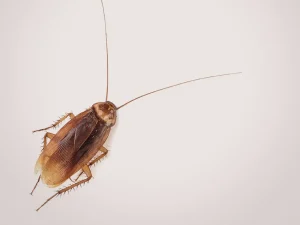
Seeing more insects than usual may suggest a hidden pest infestation nearby. Insects often hide during the day and come out at night to search for food. When their population grows, homeowners may begin to notice them more frequently. For example, ants may appear in long trails across kitchen counters or floors. Cockroaches may be spotted in kitchens or bathrooms late at night. Even spiders may increase in number if other insects are present. These sightings may indicate that pests have established nests somewhere within the home.
Rodents often travel along the same paths repeatedly when moving through a home. As they do this, the oils and dirt from their fur can leave marks on surfaces. These marks can sometimes reveal a hidden pest infestation. Grease marks may appear along baseboards, walls, or near entry points. Over time, these marks become darker as rodents continue to follow the same route. Homeowners may also notice small footprints in dusty areas such as basements or attics. These trails can help identify where pests are travelling and possibly where they are nesting.
Small piles of shredded materials found in hidden parts of the home can be a sign of a hidden pest infestation. Many pests, particularly rodents and certain insects, gather soft materials to create nests where they can rest and raise their young. These nests are usually built in quiet areas that provide protection from disturbance, allowing pests to remain hidden while they reproduce and expand their population.
Common nesting materials include shredded paper or cardboard, pieces of fabric, insulation, dry leaves, and other soft household materials that are easy to tear apart. Pests often collect these items and form small nests in locations such as attics, basements, wall cavities, or storage areas where they are unlikely to be noticed. If these materials are discovered, it may indicate that pests have already settled inside the home. Identifying and addressing these signs early can help prevent the infestation from growing and spreading to other parts of the house.
Hidden pest problems should be addressed as soon as possible because infestations can grow quickly when pests remain undetected. Over time, pests may damage important parts of the home such as insulation, electrical wiring, wooden structures, and stored belongings. Rodents often chew through materials while building nests, while certain insects can weaken wood or other structural components. If the infestation continues without intervention, the damage can become extensive and may lead to costly repairs for homeowners.
In addition to structural damage, hidden pest infestations can also create health concerns. Rodents and insects may contaminate household surfaces with bacteria carried in their droppings and urine. As pests move through kitchens, storage areas, and living spaces, they can spread germs that affect cleanliness and food safety. Some pests may also contribute to allergies or respiratory irritation, particularly when their waste or nesting materials accumulate in hidden areas. Addressing pest activity early helps protect the home, reduces health risks, and prevents the infestation from spreading to other parts of the property.
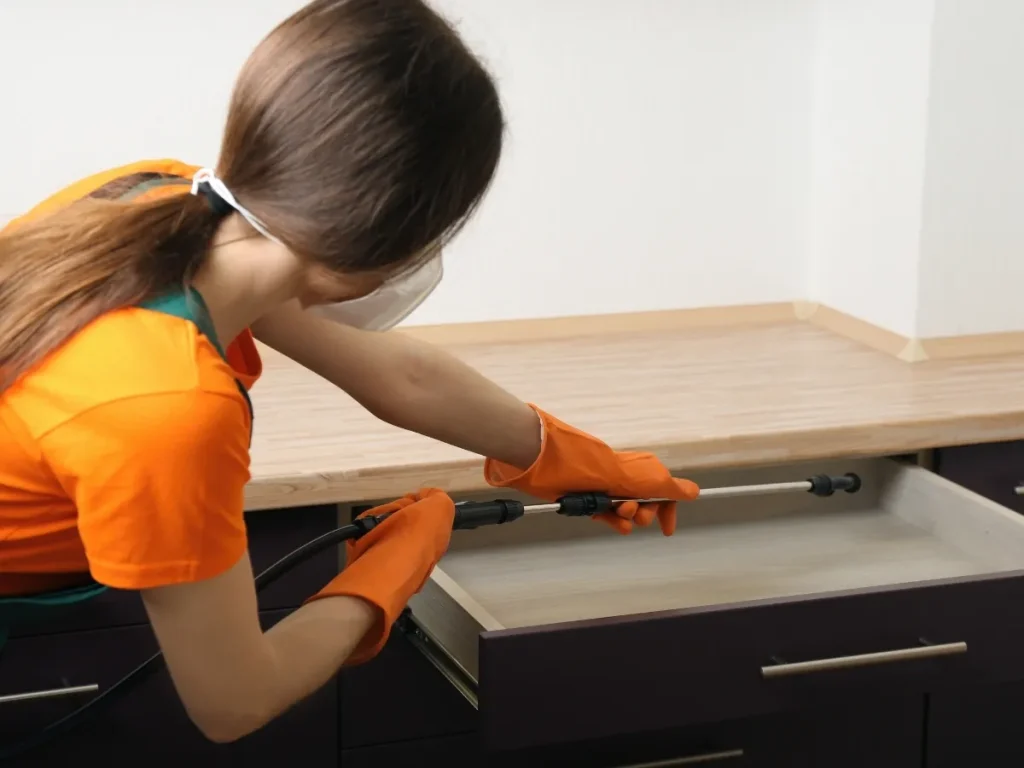
Because hidden infestations often occur in hard to reach areas, professional pest control is often the best solution. Pest control technicians are trained to locate nests, identify pest species, and remove infestations safely. At TAG Pest Control, we provide expert solutions for homeowners dealing with a hidden pest infestation. Our experienced technicians inspect homes carefully to find signs of pest activity and eliminate the problem at its source. You can learn more about our reliable pest control services and how we protect homes from hidden pest problems.
Homeowners in Langley may experience pest issues throughout the year due to seasonal changes and surrounding environments. Rodents, ants, and other pests often look for shelter inside homes during colder months. Our team understands the local pest challenges affecting homes in the Langley area. We provide targeted solutions designed to remove pests and prevent future infestations. If you suspect a pest problem in your home, our Langley pest control specialists are ready to help with professional pest management services.
Detecting a hidden pest infestation early can help homeowners avoid costly damage and uncomfortable living conditions. Paying attention to unusual sounds, droppings, odours, and material damage can reveal pest activity before the infestation becomes severe. Regular home inspections and preventive measures can reduce the chances of pests settling inside. However, hidden infestations often require professional expertise to locate and remove completely.
If you suspect pests may be hiding in your home, it is best to act quickly. Our experienced team is ready to help protect your property and restore peace of mind. You can easily contact our team to schedule an inspection. A pest free home provides comfort, safety, and peace of mind for your family. At TAG Pest Control, we are committed to helping homeowners identify and eliminate hidden pest problems with dependable pest management solutions.