How Moisture Problems Attract Household Pests
May 18, 2026
Moisture problems inside a home often create the perfect environment for many common household pests. Insects, rodents and mice need…

One of the most common signs of a pest problem in the attic is unusual noise coming from above the ceiling. Homeowners may hear scratching, scurrying, or tapping sounds, especially during the night when many pests are most active. Rodents such as mice and rats often move through attic spaces while searching for food or building nests. Squirrels and other small animals may also enter attics through roof gaps or vents. If these sounds occur regularly, it may indicate that pests have already settled in the attic area.
Another warning sign of an attic pest infestation is the presence of droppings, nesting materials, or damaged insulation. Rodents and other pests often build nests using shredded insulation, paper, or fabric they find in the attic. Over time, this activity can damage insulation and reduce its effectiveness. Homeowners may also notice small droppings or chewed materials when inspecting the space. In some cases, pests may gnaw on wood beams, wires, or stored items, which can lead to structural damage or potential safety hazards.
Unpleasant odors or visible entry points around the roof can also indicate pest activity in the attic. Strong or musty smells may come from droppings, urine, or nesting materials left behind by pests. Outside the home, small gaps around roof edges, vents, or damaged shingles can provide entry points for animals and insects. Regularly inspecting these areas can help detect problems early. At TAG Pest Control, we help homeowners identify these warning signs and provide professional inspections to locate pest activity in attic spaces and prevent further damage to the home.
Attics often attract pests because they provide a quiet, sheltered environment that is rarely disturbed. These spaces are typically dark and warm, especially when heat from the home rises into the upper levels of the structure. Attics also contain materials such as insulation, wood, and stored items that can be used by pests to build nests or create hiding places. For many pests, these conditions offer an ideal location to live without frequent human activity.
Pests can enter attics through small openings in roofs, damaged vents, gaps in siding, or spaces around utility lines. These entry points may go unnoticed for long periods, allowing pests to move inside without detection. Once inside, they may remain hidden while nesting and searching for food sources elsewhere in the home. Because attics are not commonly inspected during daily routines, pest activity can continue for some time before it becomes noticeable. As a result, an attic pest infestation may grow larger before homeowners realize that pests are present.
Attics often attract a variety of pests because they provide a quiet, sheltered space that is rarely disturbed. These areas offer protection from outdoor weather and predators, making them ideal for nesting. Rodents such as mice and rats are among the most common attic invaders, as they can easily enter through small openings and build nests using insulation and other materials. Larger animals like squirrels and raccoons may also find their way into attics through damaged roof vents or loose shingles, where they create nests and search for food sources nearby. Bats sometimes roost in attics as well, particularly in structures that provide dark and protected spaces.
In addition to animals, certain insects may also establish colonies in attic areas. Carpenter ants may nest in damp or damaged wood within the structure, while wasps often build nests under roof edges or within attic corners. Each of these pests leaves different signs of activity, such as scratching sounds, droppings, chewed materials, or visible nests. Although the signs may vary, all of these pests can cause damage if they remain in the attic for extended periods. Structural materials, insulation, and ventilation systems may be affected, which is why identifying and addressing attic pest activity early is important for protecting the home.
One of the first signs of an attic pest infestation is unusual sounds coming from above. These noises may be more noticeable at night when pests become active. Homeowners often report hearing scratching, scurrying, or light tapping sounds in the ceiling. Rodents and squirrels frequently move around while searching for food or building nests. If these sounds occur regularly, it may indicate that pests have already established themselves in the attic.
One of the most common signs of pest activity in an attic is the presence of droppings and nesting materials. Many pests, especially rodents, create nests using soft materials they find in their surroundings. In attic spaces, this often includes insulation, paper, cardboard, fabric, or other lightweight materials that can be easily gathered and shaped into a nest. These nests are typically built in quiet corners, along attic beams, or within insulation where the pests can remain hidden and protected.
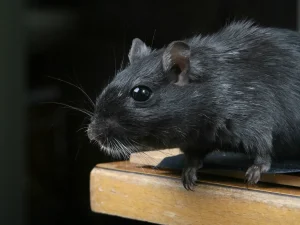
Droppings are another clear indicator that pests may be living in the attic. Rodent droppings usually appear as small, dark pellets and are often found near nesting areas, along pathways where rodents travel, or close to food sources. As pest activity continues, these droppings can accumulate and create unpleasant odours throughout the space. In addition to the smell, the buildup of waste can also raise sanitation concerns. Discovering nests or droppings in the attic is a strong sign of a pest infestation and should be addressed promptly to prevent further damage and contamination within the home.
An attic pest infestation can produce strong smells that travel throughout the home. These odours may come from droppings, urine, or decaying food that pests bring into their nests. Sometimes the smell becomes stronger if a pest dies inside the attic space. This situation can create a persistent and unpleasant odour that spreads through air vents. If you notice unusual smells coming from the ceiling or upper levels of the home, it may be time to inspect the attic.
Pests often damage insulation while building nests or moving through the attic. Insulation may appear flattened, torn, or scattered across the floor. Rodents and squirrels may also chew on wood beams, wiring, and other materials. This chewing behaviour can lead to structural damage or even fire hazards if electrical wires are affected. Damage like this is a common sign of an attic pest infestation and should be addressed quickly to prevent further problems.
For pests to establish themselves in an attic, they must first find a way to enter the structure. Inspecting the exterior of the home, particularly the roof area, can often reveal potential access points. Openings around roof vents are a common entry location because the protective coverings may become loose or damaged over time. Damaged soffits or fascia boards can also create gaps that allow pests to reach attic spaces. In addition, loose shingles or cracks along the roofline may provide hidden pathways for animals and insects searching for shelter.
Chimneys and the areas surrounding them are another location where openings may develop if flashing or seals become worn. Even very small gaps can be enough for pests such as mice or insects to enter, while larger animals like squirrels or raccoons may widen weak areas to gain access. Once pests discover a reliable entry point, they may continue returning to the attic and eventually build nests or establish colonies. Regular inspections and prompt repairs of these openings can help prevent pests from gaining access and reduce the likelihood of attic infestations developing.
Sometimes pests living in the attic eventually explore other areas of the home. Homeowners may start noticing insects or rodents appearing more frequently indoors. For example, rodents living in the attic may travel through wall spaces in search of food. This can lead to sightings in kitchens, pantries, or basements. When pest activity increases inside the home, it may indicate a larger attic pest infestation above.
Ignoring a pest problem in the attic can lead to serious consequences over time. Pests can damage insulation, wiring, and wooden structures while building nests. Rodents and other animals may also carry bacteria and parasites that can affect indoor air quality. Their droppings and urine can create unsanitary conditions that spread through the home. In some cases, pests may reproduce quickly and increase the size of the infestation. This makes removal more difficult and expensive if left untreated.
Preventing pests from entering the attic begins with maintaining the exterior structure of the home. Regular inspections of the roof, vents, and surrounding areas can help identify small openings before pests use them as entry points. Sealing cracks and gaps around rooflines, chimneys, and other structural joints can block common pathways used by rodents and insects. Installing durable screens over attic vents is another effective step, as vents often provide ventilation but can also become easy access points if left unprotected.
Outdoor maintenance can also reduce the chances of pests reaching the attic. Tree branches that extend close to the roof should be trimmed back, since they can act as bridges for animals such as squirrels and raccoons. Maintaining good sanitation inside the home is equally important, including storing food securely and keeping living spaces clean so pests are not attracted to the property. Periodically inspecting the attic itself can help homeowners detect early signs of pest activity, such as droppings, nests, or damaged materials. Taking these preventive measures makes it more difficult for pests to enter the attic and establish nests within the home.
While homeowners may notice signs of pests, removing them safely often requires professional help. Attics can contain hidden nests and entry points that are difficult to locate without proper equipment. At TAG Pest Control, our technicians perform detailed inspections to confirm whether an attic pest infestation is present. We identify the type of pest involved and create a targeted treatment plan to remove it. Homeowners can explore our full range of pest control services to see how we handle attic infestations. Residents dealing with local pest activity can also rely on our specialized Langley pest control solutions.
Your attic plays an important role in protecting your home, but it can also become a hiding place for pests. Recognizing the early warning signs of an attic pest infestation allows homeowners to act before the problem grows. Strange noises, droppings, damage, and unusual smells should never be ignored. Addressing these issues early can prevent costly repairs and protect your home’s safety.
If you suspect pests may be living in your attic, professional help can make the process easier and more effective. The experienced team at TAG Pest Control is ready to inspect your property and provide reliable solutions. If you need assistance or want to schedule an inspection, feel free to contact our team today and take the first step toward a pest free home.