How to Detect Pest Problems Early
April 22, 2026
Pests often enter homes quietly and can remain hidden for long periods of time before homeowners realize there is a…
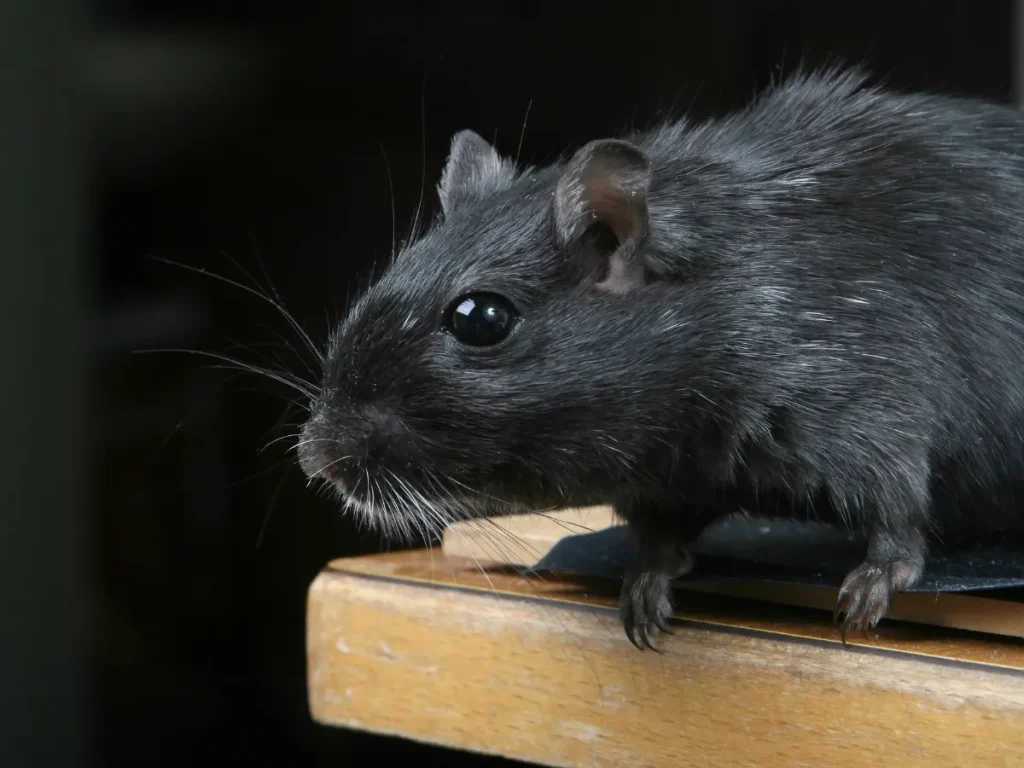
Moisture problems inside a home often create the perfect environment for many common household pests. Insects, rodents and mice need water to survive, so areas where moisture collects can quickly become attractive hiding and breeding spots. Small leaks, condensation, or poor ventilation can cause damp conditions that pests actively seek out. Once these areas become consistently moist, pests may begin to settle there because the environment provides both hydration and protection. Over time, even minor moisture issues can lead to larger pest problems if they are not addressed early.
Certain parts of the home are particularly vulnerable to moisture buildup. Basements, bathrooms, kitchens, and crawl spaces tend to trap humidity due to plumbing lines, limited airflow, or nearby water sources. These damp conditions attract pests such as cockroaches, silverfish, termites, and even rodents that search for reliable water sources. When these pests discover a stable environment with moisture, they are more likely to remain in the area and multiply. As a result, what starts as a simple moisture problem can quickly turn into a full pest infestation if preventative measures are not taken.
Addressing moisture issues is one of the most effective ways to reduce pest activity in the home. Fixing leaks, improving ventilation, sealing cracks, and using dehumidifiers can help remove the conditions that attract pests in the first place. When moisture levels are controlled, many pests lose the resources they depend on and are less likely to return. Professional pest control services can also help identify hidden moisture problems that homeowners may overlook. At TAG Pest Control, specialists work with homeowners to locate these risk areas and implement solutions that protect the home from both moisture damage and recurring pest activity.
Moisture plays a critical role in attracting pests into homes because many insects and rodents rely on water for survival. Just like humans and other animals, pests need water to drink and to maintain their bodily functions. Areas that consistently contain moisture, such as leaking pipes, damp basements, kitchens, and bathrooms, can become highly appealing environments for these organisms. When water is readily available, pests are more likely to remain in the area, since they do not need to travel far to meet their basic needs. As a result, even small amounts of standing water or persistent dampness can increase the likelihood of pest activity within a home.
In addition to providing a water source, moisture also creates favorable living conditions that help pests reproduce and thrive. Many insects prefer humid environments because they are less likely to dry out, which is essential for their survival. Moisture can also support the development of eggs and larvae, allowing pest populations to grow more quickly. Rodents are similarly attracted to places where water and shelter are easily accessible. When homes experience issues such as plumbing leaks, condensation, poor ventilation, or high humidity, they may unintentionally create these ideal conditions. Once pests locate such environments, they often stay nearby as long as the moisture remains available.
Moisture problems inside a home often develop from everyday household issues that may seem small or harmless at first. However, even minor sources of dampness can create an environment that attracts pests over time. Leaking pipes beneath sinks, dripping faucets, and faulty plumbing fixtures can produce consistent moisture that insects and rodents quickly learn to seek out. Damp basements and crawl spaces are also common trouble areas, as they tend to remain cool and humid, making them ideal hiding and breeding locations for many pests. In addition, poor ventilation in bathrooms can allow humidity to build up after showers or baths, while condensation forming around windows or walls can create persistent damp spots.
Although these problems may appear insignificant initially, they can gradually create comfortable living conditions for pests. Many insects are drawn to humid areas where they can avoid dehydration, while rodents often settle in locations where water is easily accessible. Over time, these moist environments can support nesting, feeding, and reproduction, allowing pest populations to grow unnoticed. By understanding how moisture contributes to pest activity, homeowners can become more aware of potential problem areas within their homes. Identifying and addressing these moisture sources early can help reduce the risk of infestations and maintain a healthier indoor environment.
Many household pests are strongly attracted to damp environments because moisture provides both water and suitable living conditions. Areas that remain consistently humid often become safe hiding places where pests can feed, reproduce, and avoid harsh conditions. Cockroaches are among the most common pests found in moist spaces, frequently appearing in kitchens, bathrooms, and under sinks where water sources are readily available. Silverfish also thrive in humid environments and are often found in basements, laundry rooms, and storage areas where moisture levels remain high. These insects rely on damp conditions to survive, making poorly ventilated or water-damaged areas particularly attractive to them.
Other pests are also drawn to moisture when it becomes available inside the home. Ants, for instance, may enter houses not only in search of food but also to find water during periods when outdoor conditions are dry. Centipedes tend to hide in damp, dark locations where they can hunt smaller insects, while rodents are often attracted to places that offer both shelter and easy access to water. Because so many pests depend on moisture for survival, reducing damp conditions in the home is an important part of pest prevention. Addressing humidity, repairing leaks, and improving ventilation can help make indoor environments less appealing to these pests.
Basements are particularly vulnerable to moisture problems because they are located below ground level and tend to have limited ventilation. Their naturally cool temperatures can cause humidity to accumulate, especially when there is insufficient airflow to regulate moisture levels. Over time, this damp environment creates favorable conditions for mold, mildew, and structural deterioration. Even small amounts of water entering through foundation cracks, porous concrete, or leaking pipes can gradually increase humidity levels. When these issues remain unnoticed, the basement can become persistently damp, creating an environment that supports the survival and reproduction of many pests.
Moisture in basements often attracts insects and rodents that are drawn to dark, humid spaces where they can hide and nest. Pests such as cockroaches, termites, silverfish, and certain rodents thrive in these environments because moisture provides both shelter and a stable habitat. Basements can also act as convenient entry points since small gaps around foundations, utility lines, or floor drains allow pests to enter the home. Once established in the basement, they may gradually spread into living areas while searching for food and additional nesting spaces. Maintaining a dry and well-ventilated basement, repairing leaks promptly, and sealing structural gaps are essential steps in preventing moisture buildup and reducing the risk of pest infestations.
Kitchens and bathrooms also provide the moisture that pests seek. Sinks, dishwashers, and plumbing fixtures can create small water sources if leaks occur. Even condensation from cooking or hot showers can increase humidity. When homeowners overlook these conditions, pests may begin appearing in these areas. Cockroaches, ants, and other insects are often found near sinks or under appliances where moisture collects. This is another clear example of how moisture attracts pests and allows them to settle in high traffic areas of the home. Regular inspections and quick repairs can prevent moisture buildup in these spaces.
Moist environments not only provide water but also help pests create safe nesting areas. Many insects prefer damp materials because they are easier to burrow into. Rodents may also use these areas to build nests close to water sources. For example, damp insulation or wood can become attractive nesting material. Once pests establish nests, removing them becomes more difficult. Understanding how moisture attracts pests can help homeowners prevent these nesting opportunities. Eliminating damp conditions removes one of the key resources pests rely on.
Reducing moisture inside the home is an important step in preventing pest problems. Many insects and rodents are drawn to environments where water is easily available, so limiting moisture can make a home far less attractive to them. One of the most effective actions homeowners can take is repairing leaking pipes, dripping faucets, or damaged plumbing fixtures as soon as possible. Improving ventilation in high-humidity areas such as bathrooms and kitchens can also help prevent moisture buildup. In spaces like basements, where damp conditions are common, using a dehumidifier can help maintain lower humidity levels and create a less favorable environment for pests.
Other maintenance tasks can also play a role in controlling moisture around the home. Cleaning gutters regularly helps prevent water from collecting and overflowing near the house, which can lead to damp walls or foundations. Ensuring proper drainage around the foundation is equally important, as standing water or poor runoff can create persistent moisture problems in nearby areas. By taking these preventive measures, homeowners can maintain a drier indoor environment that discourages pests from settling and reproducing. Addressing moisture issues early not only reduces the risk of infestations but also supports overall home maintenance and comfort.
Moisture problems within a home can often lead to increased pest activity, especially in areas that remain damp for extended periods. When excess moisture accumulates, it creates an environment that many insects and rodents find ideal for survival and breeding. Homeowners may begin to notice an increase in insects in locations such as bathrooms, basements, kitchens, or crawl spaces where humidity levels are higher. Musty odours are another common indicator of lingering moisture, often signaling the presence of mold or mildew growth. Water stains on walls or ceilings may also appear, suggesting that leaks or condensation issues are present and contributing to the damp conditions.
These warning signs should not be ignored, as they often indicate that moisture is providing the shelter and resources pests need to thrive. Areas around sinks, pipes, and plumbing fixtures are particularly vulnerable because even minor leaks can create persistent damp spots that attract pests such as cockroaches, ants, and silverfish. Mold or mildew growth further signals that moisture has been present long enough to support biological activity, which can also attract certain pests seeking humid environments. Addressing these issues early by repairing leaks, improving ventilation, and reducing indoor humidity can help eliminate the conditions that encourage pest infestations and prevent the problem from worsening.
Sometimes moisture related pest problems require professional assistance. Even after moisture sources are addressed, pests may remain hidden in walls, floors, or structural spaces. Professional pest control technicians can inspect the property, identify infestation areas, and apply targeted treatments. This ensures pests are removed safely and effectively.
At TAG Pest Control, we understand how moisture attracts pests and how to eliminate these problems at their source. Our experienced team provides reliable solutions designed to protect homes from moisture related infestations. You can learn more about our professional pest control services and how we help homeowners maintain pest free homes.
Moisture related pest issues can be common in areas with changing weather conditions. Homes in Langley may experience pest activity during seasons when humidity levels rise. Our team understands the local pest challenges that homeowners face. We provide customized pest control solutions that address both pest activity and the environmental conditions that attract them. If pests are appearing in your home, our Langley pest control specialists are ready to help with dependable services.
Understanding how moisture attracts pests is an important step in protecting your home from infestations. Damp environments provide the water and shelter many pests need to survive. Without proper moisture control, pests may continue returning even after removal. Fixing leaks, improving ventilation, and maintaining dry living spaces can greatly reduce pest activity. However, persistent infestations may require professional support to fully resolve.
If you suspect moisture issues may be attracting pests in your home, it is best to act quickly. Our team is ready to help identify the problem and provide effective solutions. You can easily contact our team to schedule an inspection. A dry and well maintained home is one of the best defences against pests. At TAG Pest Control, we are committed to helping homeowners eliminate pest problems and maintain comfortable, pest free living spaces.