How to Pest-Proof Your Home Before Moving In
April 7, 2026
Pest proofing a home before moving in is one of the most effective ways to protect your property and ensure…
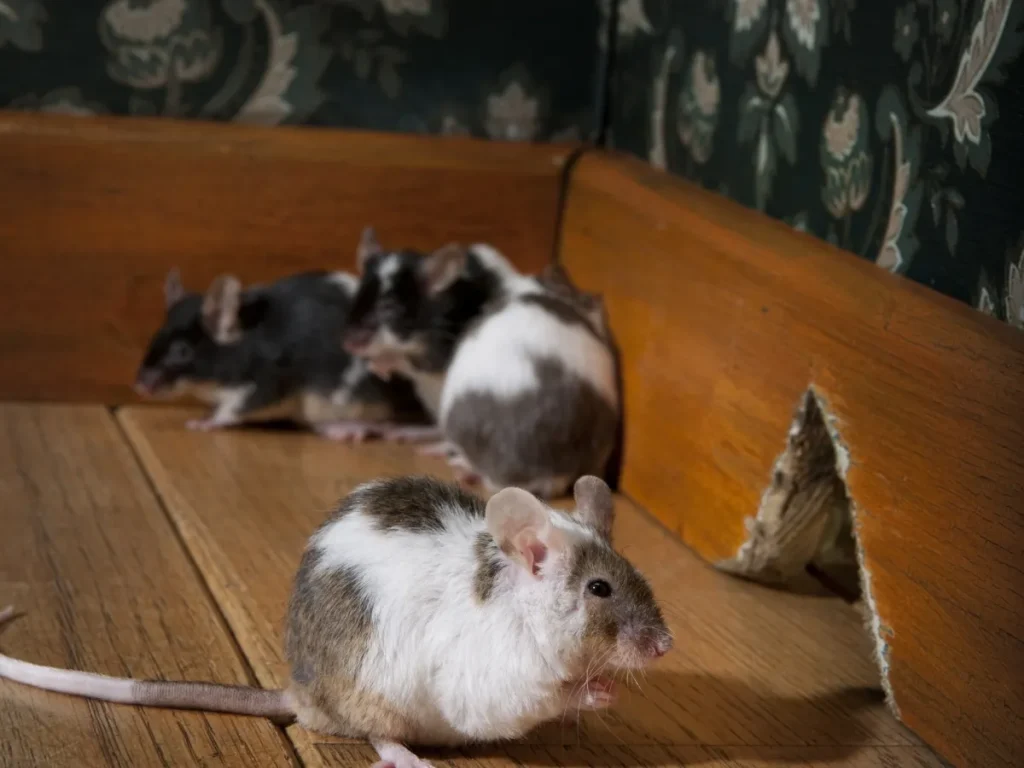
Pest infestation risks can increase rapidly when the early signs of pest activity are overlooked. Many homeowners assume that spotting a single insect or rodent is not a major concern. In reality, pests rarely appear alone, and a small problem can quickly grow into a larger infestation if it is ignored. At TAG Pest Control, we often encounter situations where what started as a minor issue developed into a serious pest problem simply because the warning signs were not addressed in time.
Pests can cause a wide range of problems inside a home, including structural damage and sanitation concerns. Rodents may chew through electrical wiring, insulation, and wood structures, while insects such as termites and carpenter ants can weaken important parts of the building. In addition to physical damage, pests can contaminate food and surfaces with droppings, bacteria, and allergens. These conditions can create health risks for families, especially for children, elderly individuals, or those with allergies or respiratory conditions.
Ignoring pest activity often allows the infestation to grow larger and more difficult to control. As pests reproduce and spread to new areas of the home, the damage and cleanup costs can increase significantly. Early detection and treatment are essential for preventing long-term issues and protecting both the home and the people living in it. In this guide, we will explore the hidden pest infestation risks that homeowners should be aware of and explain why contacting professional pest control services is often the safest and most effective solution.
Pest infestations should never be ignored because many pests are highly skilled at staying hidden. Rodents, insects, and other pests often live in areas that are rarely inspected, such as inside walls, attics, crawl spaces, or basements. In these concealed spaces, they can build nests and reproduce without being noticed. By the time homeowners begin seeing clear signs of activity, such as droppings, damage, or frequent pest sightings, the infestation may already be well established and more difficult to control.
Ignoring early signs of pests allows the problem to grow steadily over time. As pests continue breeding and expanding their nesting areas, they may spread into multiple parts of the home. This increases the potential for property damage, contamination, and other pest infestation risks. Addressing the issue early is typically much simpler and more effective than trying to eliminate a large, widespread infestation. Prompt action helps limit the spread of pests and reduces the likelihood of more serious problems developing later.
One of the most serious pest infestation risks is damage to the structure of your home. Some pests chew, burrow, or nest inside materials that support the building. Rodents, for example, constantly chew on wood, insulation, and wiring. Over time, this behaviour can weaken structures and create fire hazards if electrical wires are damaged. Certain insects can also cause property damage by nesting inside walls or wooden structures. This damage often occurs slowly and may not be noticed until repairs are needed. Addressing pest activity early can help prevent expensive structural repairs.
Pests are not just a nuisance. Many of them carry bacteria, allergens, or parasites that can affect human health. Some pests contaminate surfaces and food supplies as they move through the home. Others leave droppings and urine that can spread bacteria or trigger allergies. Common pest related health concerns include:
Food contamination is a significant concern when pests enter kitchens or pantries because they are naturally drawn to accessible food sources and can easily spread harmful substances in the process. Once pests such as rodents or insects gain access to stored food, they may contaminate it with droppings, saliva, urine, or bacteria that they carry on their bodies. Rodents are capable of chewing through various types of packaging, including plastic bags and cardboard boxes, while smaller insects can slip through tiny openings to reach food supplies.
Even cupboards that appear sealed can become affected if pests find entry points into the storage area. As a result, contaminated food often needs to be discarded, leading to unnecessary waste and possible health risks for household members. Preventing these risks typically involves maintaining clean storage spaces, properly sealing food containers, and addressing pest activity early before it spreads throughout the home.
One of the biggest pest infestation risks is how quickly pest populations grow. Many pests reproduce at a very fast rate. For example, rodents can produce multiple litters in a single year. Insects such as ants and cockroaches can expand their colonies rapidly once they find a reliable food source. A small pest problem today may turn into a large infestation within weeks. Early pest control intervention can stop the breeding cycle before the population grows out of control.
Damage to electrical systems is a serious risk associated with rodent infestations because rodents frequently chew on materials to keep their teeth from growing too long, and electrical wiring is often an easy target. When rodents gnaw through the protective insulation around wires, it can expose the metal conductors and create dangerous situations such as short circuits, electrical failures, or an increased risk of house fires.
This type of damage is particularly concerning because it often occurs inside walls, ceilings, or hidden spaces where it may go unnoticed for long periods of time. As rodents continue to move through these areas, they may chew on multiple wires throughout the home, gradually worsening the problem. Addressing pest infestation risks early is therefore important to prevent ongoing rodent activity and reduce the likelihood of costly or hazardous electrical damage.
Increased repair costs are a common consequence when pest infestations are left unaddressed for long periods of time. Small pest problems are often easier and less expensive to manage, but as the infestation grows, pests can cause more widespread damage throughout the home. Rodents may chew through wiring, insulation, and structural materials, while insects can contaminate surfaces and stored items.
As a result, homeowners may face expenses related to replacing damaged insulation, repairing electrical wiring, cleaning contaminated areas, or fixing structural damage caused by persistent pest activity. Addressing pest infestation risks early helps limit the extent of damage and reduces the likelihood of costly repairs that may arise from larger, long-term infestations.
Emotional stress is another impact of pest infestations, as living with unwanted pests can make homeowners and families feel uneasy in their own living environment. Constant signs of pest activity, such as scratching noises inside walls, visible insects moving around the home, or discovering droppings and damage, can create ongoing worry and discomfort.
Many people become concerned about potential health risks, contamination of food, or structural damage that pests may cause if the problem continues. This uncertainty can disrupt daily routines and reduce the sense of safety and relaxation that a home should provide. Addressing pest problems quickly and effectively can help restore a clean, comfortable environment and allow homeowners to regain peace of mind.
Many homeowners try to manage pest problems using store bought traps or sprays. While these methods may reduce visible pests, they often do not eliminate the source of the infestation. Hidden nests, colonies, or entry points can allow pests to return repeatedly. Without proper identification and treatment, the infestation may continue growing.
Professional pest control focuses on identifying the root of the problem and applying targeted treatments. At TAG Pest Control, our technicians use proven methods designed to address pest infestation risks safely and effectively. You can learn more about our professional pest control services and how they protect homes from infestations.
Professional pest control involves more than simply removing pests. The goal is to eliminate current infestations and prevent future problems. Technicians typically begin with a full inspection of the home and surrounding property. This inspection helps identify pest activity, nesting areas, and potential entry points. Treatment plans may include:
This comprehensive approach helps reduce pest infestation risks and keeps homes protected. Homeowners who need reliable pest control solutions can depend on experienced Langley pest control services to handle pest problems safely and effectively.
Preventing pest infestations is often much easier and less costly than dealing with an established problem. Many pests are attracted to homes that provide easy access to food, water, and shelter. By maintaining clean living spaces and removing these attractants, homeowners can significantly reduce the chances of pests settling indoors. Simple habits such as keeping kitchens clean, wiping up crumbs and spills, and storing food in sealed containers help eliminate common food sources that attract insects and rodents.
In addition to indoor cleanliness, basic home maintenance plays an important role in prevention. Sealing cracks and gaps around doors, windows, and foundations can block entry points that pests might use to get inside. Removing standing water around the property helps reduce moisture that attracts certain insects, while keeping outdoor spaces tidy eliminates hiding spots near the home. Regularly inspecting both the interior and exterior of the property allows homeowners to notice early signs of pest activity and address potential issues before they develop into infestations.
If you notice signs of pests such as droppings, unusual noises, or frequent insect sightings, it is important to act quickly. These warning signs may indicate a growing infestation. Professional pest control technicians can inspect the property and determine the best treatment plan. Early intervention can stop pests before they cause significant damage. If you are concerned about pest infestation risks in your home, reach out through our contact page to schedule a professional inspection.
Ignoring pest activity can lead to serious pest infestation risks that affect your home, health, and finances. What begins as a small pest problem can quickly grow into a larger and more costly situation. Taking action early is the best way to protect your property and your family. At TAG Pest Control, our experienced team helps homeowners identify infestations and eliminate them safely. With professional support and preventative care, you can keep your home comfortable, protected, and free from unwanted pests.