Why Sealing Cracks and Gaps Prevents Pest Infestations
May 22, 2026
Sealing cracks and gaps around a home is one of the most effective ways to prevent pests from entering in…
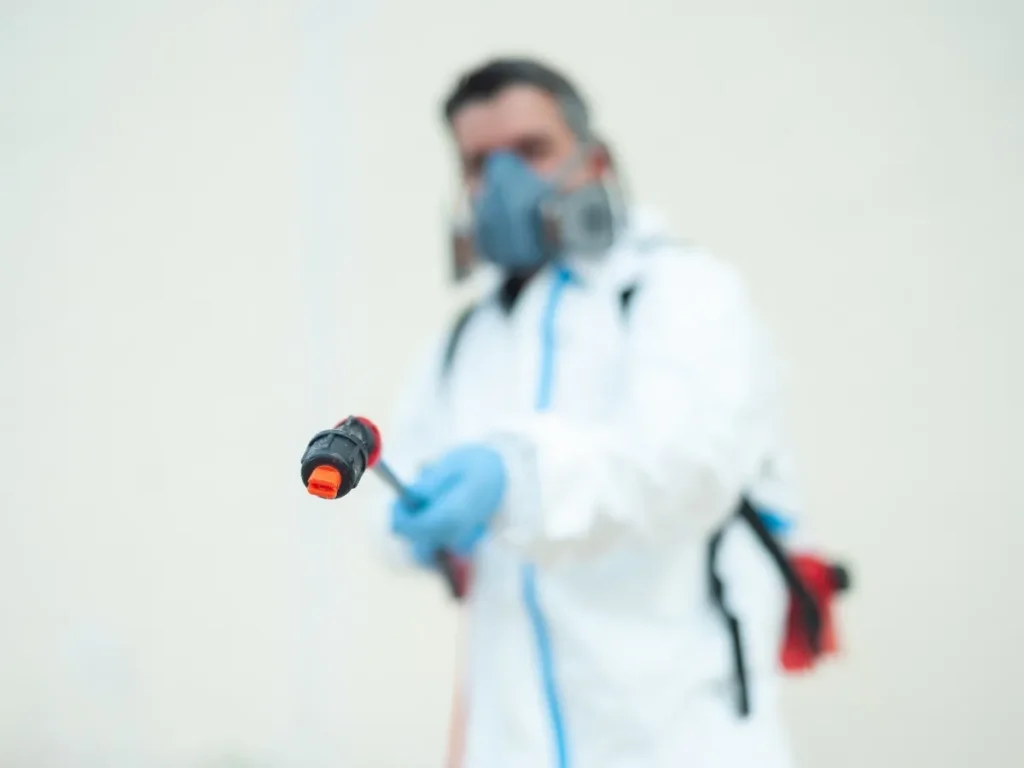
Pest proofing a home before moving in is one of the most effective ways to protect your property and ensure a comfortable living environment from the start. Moving into a new house is an exciting milestone, but it is also the ideal time to carefully inspect the property for potential pest issues. Before furniture, boxes, and personal belongings fill the space, homeowners have a clear opportunity to examine areas that might otherwise become difficult to access. At TAG Pest Control, we often assist homeowners who only discover pest problems after they have already settled in. Taking preventative measures early can help avoid unnecessary stress, damage, and costly pest treatments later.
Many pests find their way into homes through small openings that are easy to overlook. Cracks in the foundation, gaps around windows and doors, openings near utility lines, and poorly sealed vents can all provide entry points for insects and rodents. Once inside, pests are attracted to homes that offer reliable access to food, water, and shelter. Basements, attics, garages, and storage areas can quickly become ideal nesting locations if they are not properly inspected and maintained. Pest proofing a home before moving in focuses on identifying these vulnerabilities and addressing them before pests have the chance to settle inside.
By taking a few preventative steps, homeowners can significantly reduce the risk of pest infestations. Sealing gaps and cracks, checking for signs of previous pest activity, cleaning storage spaces, and ensuring that food areas remain well sealed are all simple but effective actions. Scheduling a professional pest inspection before moving in can also help identify hidden problems that may not be obvious at first glance. In this guide, we will walk through the most effective ways to pest proof your home so you can move in with confidence and enjoy greater peace of mind in your new living space.
Pest proofing a home is an important step because pests often occupy areas that homeowners rarely inspect. Even when a home appears clean and well maintained, pests can hide in spaces such as attics, basements, crawl spaces, and wall cavities. These hidden areas provide shelter where insects or rodents can nest and reproduce without being noticed. Over time, their activity may lead to damage or contamination before any visible signs appear in the main living areas of the home.
Taking the time to pest proof a home helps identify and address these hidden risks early. By inspecting and securing vulnerable areas before moving in, homeowners can remove conditions that attract pests and prevent them from establishing nests. This proactive approach is usually much easier than dealing with an infestation after furniture, clothing, and personal belongings are already inside the home. Early pest prevention also helps protect the property itself, as pests can damage structural materials, insulation, and wiring if left unchecked for long periods.
The first step in pest proofing a home is a complete inspection. Carefully checking the property helps identify potential pest problems before they grow. During your inspection, look for signs such as:
Pay special attention to spaces that are rarely used, including basements, attics, and garages. These areas often provide ideal hiding spots for pests. If you notice signs of pest activity, addressing them before moving in is an important part of pest proofing a home.
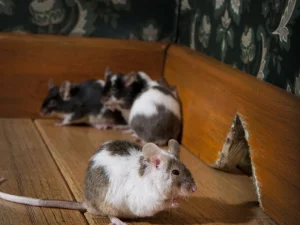
Sealing cracks and entry points is one of the most important steps in pest proofing a home. Many pests are able to enter through very small openings that may go unnoticed during normal home maintenance. Tiny gaps around doors, windows, or foundations can provide easy access for insects and rodents searching for food, water, or shelter. Once inside, these pests may begin nesting in hidden areas such as walls, basements, or attics, where they can remain undetected for long periods.
Carefully inspecting the exterior of the home can help identify common entry points that should be sealed. Areas to check include gaps around doors and windows, cracks in the foundation, openings around pipes and vents, and spaces along siding or roof edges. Using materials such as caulking, weather stripping, or appropriate sealants can effectively close these openings and prevent pests from entering. By addressing these small gaps early, homeowners can significantly reduce the risk of pests gaining access to the home and creating larger problems later.
Deep cleaning the home before moving in is an important part of pest proofing a home. Even if a property appears clean at first glance, small food residues, crumbs, grease buildup, and dust can remain in hidden areas. These materials can attract pests that are searching for easy food sources. By thoroughly cleaning the home, homeowners can remove these attractants and reduce the chances of insects or rodents settling in. A detailed cleaning can also help reveal hidden signs of pest activity, such as droppings, damaged materials, or nesting debris.
Special attention should be given to areas where food particles and debris tend to accumulate. Kitchen cabinets, drawers, and pantry shelves should be wiped down to remove any leftover residue. Appliances and stovetops may also contain grease or crumbs that can attract pests if not properly cleaned. In addition, basements, storage areas, and corners of rooms should be vacuumed and cleared of dust or clutter. Vacuuming floors, wiping surfaces, and removing debris helps create a cleaner environment that is less appealing to pests and supports effective pest prevention from the start.
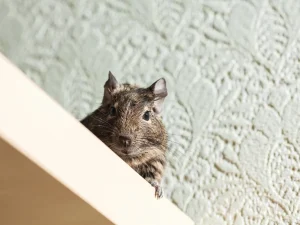
Attics and basements are two of the most common areas where pests establish nests because they are often quiet and rarely disturbed. These spaces can provide ideal shelter for rodents, spiders, and insects seeking warmth and protection. When pest proofing a home, it is important to carefully inspect both the attic and basement for early signs of activity. Indicators such as rodent droppings, chewed insulation, spider webs, insect presence, or small holes in walls or flooring may suggest that pests have already been active in these areas.
Keeping these spaces clean and properly sealed plays an important role in preventing pests from settling there. Any visible openings or gaps should be repaired to block potential entry points, and clutter should be removed to reduce hiding spots. Proper ventilation can also help reduce moisture, which may attract certain insects. By maintaining well-organized and sealed attic and basement spaces, homeowners can reduce the likelihood of pests using these areas as nesting sites and support effective pest proofing throughout the home.
Managing outdoor areas around the home is an important part of pest proofing because many pest problems begin outside before insects or rodents eventually find ways to enter the house. By maintaining the yard and reducing conditions that attract pests, homeowners can limit the chances of pests settling near the structure. Simple steps such as trimming tree branches so they do not touch the roof, removing piles of leaves or yard debris that can provide shelter, storing firewood away from the exterior walls, and keeping garbage bins tightly sealed can make a significant difference. These actions reduce available hiding places and food sources, which helps discourage pests from gathering near the home and lowers the likelihood that they will attempt to move indoors.
Inspecting plumbing and moisture-prone areas is an important step in pest proofing a home because many pests are naturally attracted to reliable water sources. Conditions such as leaky pipes, damp basements, condensation around appliances, or standing water near the foundation can create an environment that supports pests like cockroaches, ants, and certain insects that thrive in moist spaces.
Regularly checking plumbing systems helps homeowners identify problems such as leaking pipes under sinks, excess condensation near dishwashers or refrigerators, poor drainage around the foundation, or damp areas in basements and crawl spaces. Addressing these issues by repairing leaks, improving ventilation, and ensuring proper drainage removes the moisture that pests depend on, making the home less attractive and less suitable for pest activity.
Proper food storage is an important step in preventing pests from becoming attracted to your home. Once you move in, unsealed food containers can easily draw insects and rodents into the kitchen or pantry. Many pests have a strong sense of smell and can detect food sources even when they are stored inside cabinets. If food is left in loosely closed packaging, it becomes much easier for pests to access and contaminate it. Establishing good storage habits early helps remove one of the main reasons pests enter homes.
Using airtight containers for common pantry items such as cereal, flour, sugar, rice, and pet food can significantly reduce the risk of pest activity. These containers help keep food fresh while also preventing insects or rodents from reaching it. In addition to sealed storage, regularly cleaning pantry shelves and checking for spills or crumbs can further discourage pests. By maintaining proper food storage from the beginning, homeowners create a kitchen environment that is far less inviting to pests and support effective pest proofing throughout the home.
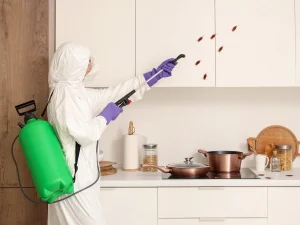
Even with careful inspections, some pest problems can remain hidden. Professional pest control services can help identify risks that homeowners may overlook. At TAG Pest Control, our technicians perform detailed inspections and apply preventative treatments designed to stop pests before they appear. Scheduling a professional inspection is one of the most reliable steps in pest proofing a home. You can learn more about our professional pest control services and how they help protect homes from pests.
Professional pest control plays an important role in preventing infestations by addressing the conditions that allow pests to enter and thrive in a home. Rather than only removing visible pests, technicians conduct detailed inspections of both the interior and exterior of the property to identify potential entry points, nesting areas, and environmental factors that may attract pests. Based on this assessment, they may apply preventative treatments around key areas of the home, monitor signs of pest activity over time, and recommend practical steps homeowners can take to reduce risk.
These recommendations may include sealing structural gaps, improving sanitation practices, and managing outdoor conditions that attract pests. By combining inspection, treatment, and prevention strategies, professional services help ensure that pest proofing a home is carried out in a thorough and effective way that reduces the likelihood of future infestations. Homeowners looking for trusted pest management solutions can rely on experienced Langley pest control services to help protect their new home.
Scheduling a pest inspection is most effective before moving furniture and personal belongings into a home because it allows technicians to thoroughly examine all areas without obstacles that might hide signs of pest activity. When the property is empty or mostly clear, inspectors can more easily check locations such as baseboards, closets, cabinets, attics, basements, and other spaces where pests often hide.
A professional inspection at this stage helps identify any existing pest issues before they become a larger problem after move-in. It also provides homeowners with recommendations for preventative measures, helping ensure the home is properly protected from pests before daily living begins. If you are preparing to move into a new home and want to ensure it is pest free, you can reach out through our contact page to schedule a professional inspection.
Pest proofing a home before moving in is one of the most effective ways to prevent infestations and protect your new space. By inspecting the property, sealing entry points, cleaning thoroughly, and maintaining outdoor areas, homeowners can greatly reduce the risk of pests. Taking these steps early creates a clean and comfortable environment from the very beginning. At TAG Pest Control, we help homeowners safeguard their properties with reliable pest prevention and professional expertise. With the right preparation and support, you can move into your new home knowing it is protected from unwanted pests.