What Happens During a Professional Pest Inspection
May 20, 2026
A professional pest inspection involves a careful examination of both the interior and exterior of a property to identify signs…

Sealing cracks and gaps around a home is one of the most effective ways to prevent pests from entering in the first place. Many insects and rodents are able to squeeze through extremely small openings to gain access to indoor spaces. Cracks in walls, gaps around doors and windows, and openings where pipes or utility lines enter the home can all serve as convenient entry points. Once inside, pests often find everything they need to survive, including food, water, and shelter. By blocking these access points, homeowners can significantly reduce the chances of pests entering and establishing themselves indoors.
Structural gaps often develop naturally over time as homes settle and materials expand or contract with changing temperatures. Unfortunately, these small openings can go unnoticed for long periods, giving pests the opportunity to slip inside without detection. Mice, ants, cockroaches, and other pests are particularly skilled at locating these weak points around foundations, siding, and door frames. Sealing these areas with materials such as caulk, weather stripping, or mesh can create a protective barrier that keeps pests from gaining entry. Regularly inspecting the home for new cracks or gaps is an important part of maintaining that protection.
Preventive maintenance is always more effective and affordable than dealing with an established infestation. Once pests enter a home and begin to reproduce, removing them can require more time, effort, and professional treatment. Sealing cracks and gaps early helps eliminate one of the most common ways pests invade homes. Combined with good sanitation and proper moisture control, structural sealing creates a strong defense against pest activity. At TAG Pest Control, we encourage homeowners to address these small vulnerabilities before they turn into larger pest problems.
Sealing cracks is an important part of effective pest control because it helps prevent pests from entering the home in the first place. Most insects and rodents do not suddenly appear indoors; they typically find their way inside through small openings around the structure. These entry points may include gaps in walls, spaces around windows and doors, or openings near utility lines. Once pests gain access to the interior of a home, they can move through different rooms in search of food, water, and shelter. Blocking these pathways reduces the chances of pests establishing themselves inside.
Over time, homes naturally develop small cracks and gaps due to normal wear and environmental changes. Shifting temperatures can cause building materials to expand and contract, which may create tiny openings in foundations, siding, or around fixtures. Although these cracks may seem minor, they can act as convenient entry points for many types of pests. Properly sealing these areas helps create a protective barrier around the home, making it much more difficult for pests to enter. By addressing these openings early, homeowners can reduce the risk of infestations and minimize the need for more extensive pest control treatments in the future.
Many pests are surprisingly small and flexible. They can squeeze through tiny openings that homeowners may overlook. In some cases, insects only need a space as thin as a credit card. Rodents are also known for fitting through tight spaces. A mouse can enter through a hole about the size of a dime. Once inside, they may chew materials to make the opening larger. Common entry points include:
These small openings allow pests to move indoors without being seen. Sealing them is a critical step in effective seal cracks pest control.
Many different pests rely on structural openings to enter homes. When seal cracks pest control is ignored, these pests can establish nests indoors.
Ants are extremely good at finding small openings. Worker ants explore the outside of buildings searching for food sources. When they find a crack that leads indoors, they leave scent trails for other ants to follow. Soon, large numbers of ants may enter through the same opening. Kitchens and pantries are common targets because they provide easy food access.
Cockroaches prefer dark and tight spaces where they feel protected. Cracks in walls and gaps behind cabinets are ideal hiding spots. They can travel through small openings near plumbing lines and electrical outlets. Once inside, they spread quickly through kitchens, bathrooms, and storage areas.
Spiders often enter homes through small gaps around windows and doors. They are attracted to areas where other insects are present. Once indoors, they build webs in quiet corners. While many spiders are harmless, their presence often indicates that other pests are also inside the home.
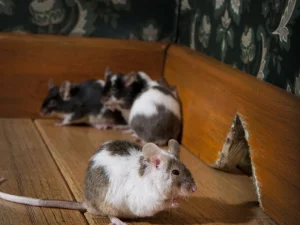
Mice are one of the most common pests entering through structural gaps. They only need a tiny opening to get inside. Once they find shelter, they may build nests in walls, attics, or basements. Mice reproduce quickly and can damage insulation, wiring, and stored items. Their droppings can also contaminate food and surfaces.
Some insects use cracks in exterior walls or roofs to build nests. Wasps may enter small openings and build colonies inside wall cavities. Over time, this can create serious pest problems. Regular inspections and sealing help prevent these insects from settling inside the structure.
Cracks and gaps can appear in many areas of a home. Identifying these spots is an important part of seal cracks pest control.
The foundation often develops small cracks as buildings settle. These openings can lead directly into basements or crawl spaces. Pests use these gaps to access sheltered areas. Exterior walls may also develop gaps around siding or bricks. These openings can lead into wall voids where pests hide.
Doors and windows are common entry points for pests. Weather stripping can wear out over time, leaving gaps around frames. Even small openings allow insects to enter easily. Checking door sweeps and window seals regularly helps maintain a strong barrier against pests.
Homes have many pipes, cables, and wires entering through walls. The openings around these lines are often larger than necessary. If they are not sealed properly, they become easy pest entry points. Foam sealants and caulking can close these gaps effectively.
Small openings near rooflines can allow pests to enter attic spaces. Loose shingles, damaged vents, or gaps in soffits may provide access. Once pests reach the attic, they can spread throughout the home. Regular roof inspections help prevent this problem.
Structural cracks and gaps in a home can often go unnoticed until pest activity begins to appear indoors. These small openings around walls, windows, doors, and foundations provide convenient entry points for insects and rodents searching for food, warmth, or shelter. One common sign that pests are entering through these gaps is the appearance of ant trails moving along walls, floors, or baseboards as they follow scent paths toward food sources. Droppings near cabinets, baseboards, or storage areas may also indicate that pests are traveling through hidden openings in the structure. In some cases, homeowners may hear scratching or movement inside walls, which can suggest that rodents are using cracks or gaps to access interior spaces.
Other warning signs include insects gathering around windows or visible damage such as small holes or chew marks near structural openings. These indicators often suggest that pests have already found ways to enter the home and may continue to do so if the gaps remain unsealed. An increase in indoor pest sightings is another strong signal that entry points may be present somewhere in the building. Acting quickly when these signs appear is important, as sealing cracks and other openings helps prevent additional pests from entering while existing infestations are addressed. Properly closing these access points is a key step in protecting the home and reducing the risk of recurring pest problems.
Sealing cracks and gaps around the home does not always require major repairs or professional construction work. In many cases, small openings can be sealed using basic materials and simple tools that are easy for homeowners to use. Addressing these gaps early helps block common entry points that pests rely on to get inside. Even small openings around doors, windows, or utility lines can allow insects and rodents to enter if they are left unsealed. By taking a few preventative steps, homeowners can create a stronger barrier that protects the home from unwanted pests.
One of the most common and effective solutions for sealing small cracks is caulking. Caulk works well for thin openings around windows, doors, baseboards, and trim. It creates a tight seal that prevents pests from slipping through small spaces while also helping improve energy efficiency. Applying caulk is typically quick and affordable, making it an accessible solution for routine home maintenance. In addition to caulking, installing or replacing weather stripping around doors and windows helps close larger gaps that may develop over time. Weather stripping improves insulation while also preventing insects and other pests from entering through these openings.
For larger holes or gaps, especially those around plumbing or cable entry points, additional materials may be needed. Steel wool is often used to fill these spaces because rodents cannot easily chew through it. Once the hole is packed with steel wool, it can be sealed further with caulk or another durable material. Repairing damaged screens on windows and vents is another important step in pest prevention. Torn or loose screens can allow insects to enter freely, while fine mesh vent covers help block even smaller pests. Taking the time to repair these areas helps maintain a strong defense against pest activity throughout the home.
While many cracks can be sealed easily, some entry points are difficult to find. Professional pest control inspections help identify hidden vulnerabilities in a home. At TAG Pest Control, we carefully examine both the inside and outside of the property. Our team looks for signs of pest activity and structural gaps that allow entry. Addressing these problems early prevents larger infestations later.
Homeowners can explore our full range of solutions through our pest control services page. Our approach focuses on prevention as well as effective treatment. If you live nearby and need expert help, our Langley pest control team understands the pests common to the area. Local knowledge allows us to create targeted solutions for each home.
Seal cracks pest control offers several long term advantages beyond pest prevention. A well sealed home provides better comfort and protection. Sealing gaps improves energy efficiency by reducing drafts. This can help maintain consistent indoor temperatures and reduce energy costs. It also helps prevent moisture from entering the structure. Blocking entry points also reduces allergens and outdoor pollutants entering the home. This contributes to a cleaner indoor environment for families. Most importantly, sealing cracks stops pest problems before they start. Prevention reduces stress, damage, and costly repairs in the future.
Pests rarely enter homes by accident. They search carefully for cracks, gaps, and other openings that provide easy access. Once they find these entry points, they quickly move indoors to search for food, water, and shelter. This is why seal cracks pest control is one of the most effective ways to prevent infestations. By inspecting your home regularly and sealing small openings, you can greatly reduce the risk of pest problems.
Simple maintenance tasks like repairing weather stripping, sealing foundation cracks, and protecting vents create a strong barrier against pests. If you notice signs of pest activity or want to protect your home more effectively, professional guidance can make a big difference. At TAG Pest Control, we help homeowners identify entry points and implement proven prevention strategies. If you would like expert support, visit our contact page and let our team help keep your home protected and pest free.