How to Detect Pest Activity in Crawl Spaces
July 1, 2026
Crawl spaces are particularly vulnerable to pest activity because they are dark, quiet, and rarely disturbed. This makes them an…
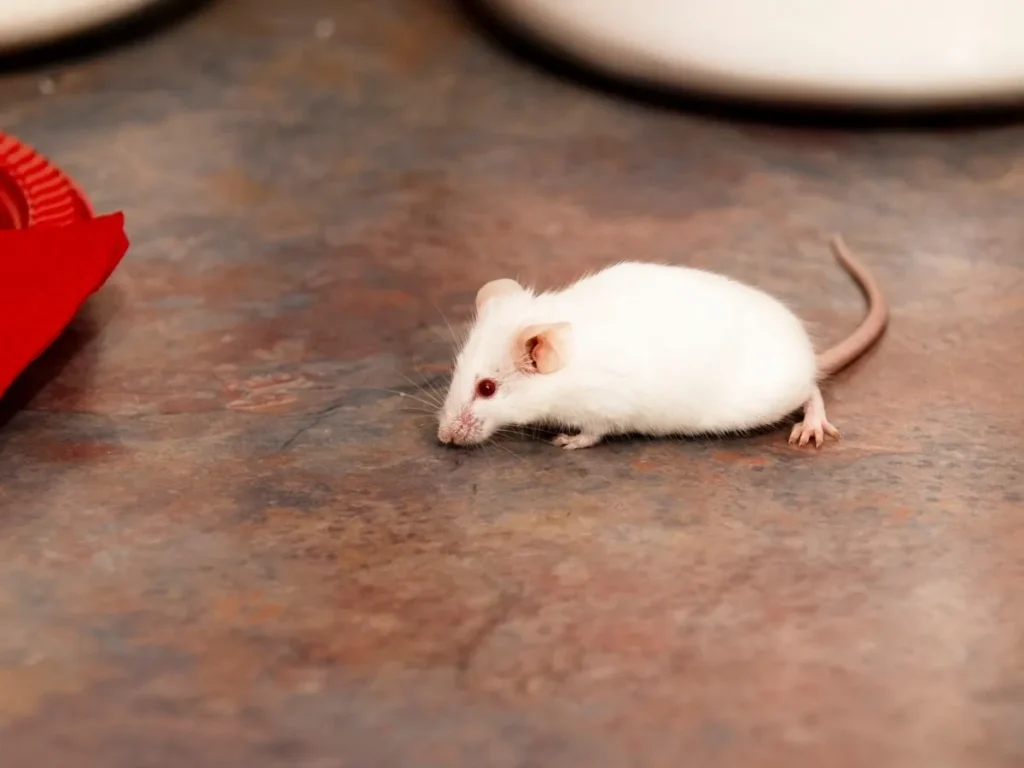
Pests can enter homes in ways that many homeowners do not immediately notice. Small cracks, narrow gaps, and hidden openings around a property can provide easy access for insects and rodents searching for food, water, and shelter. Because these entry points are often located in less visible areas of the home, pests can move inside without drawing attention. Understanding common pest entry points is an important step in protecting your home and preventing infestations before they begin.
At TAG Pest Control, we often work with homeowners who are surprised to learn how pests managed to get inside their homes. Many pests require very little space to enter a structure. Mice, for example, can squeeze through openings as small as a coin, while insects can slip through tiny cracks around windows, doors, and foundations. Once inside, pests typically settle in quiet and protected areas such as attics, basements, crawl spaces, or inside wall cavities where they can remain undisturbed.
Identifying and sealing these entry points can significantly reduce the chances of pests entering your home. Simple steps such as repairing cracks in the foundation, sealing gaps around pipes and vents, and ensuring doors and windows close properly can make a big difference in preventing pest problems. Regular inspections of both the interior and exterior of your home can also help detect potential entry points before pests take advantage of them. In this guide, we will explore seven of the most common pest entry points and explain how homeowners can block these access areas to better protect their property.
Identifying pest entry points is an important step in preventing infestations before they start. Many pests enter homes through very small openings that homeowners may not notice at first. Cracks in foundations, gaps around windows and doors, openings around pipes, and damaged vents can all provide access for insects, rodents, and other pests. Once inside, these pests begin searching for food, water, and shelter. If the home provides these basic resources, pests may settle in hidden areas such as walls, attics, or basements and begin to reproduce.
Addressing these entry points early can significantly reduce the likelihood of a pest problem developing. By sealing gaps and repairing damaged areas, homeowners can limit the ways pests are able to enter the structure. This not only helps keep pests outside but also makes the home less appealing as a potential nesting site. Regular inspections of the exterior and interior of the property allow homeowners to identify and repair new openings as they appear. Maintaining this level of attention and upkeep is an effective way to reduce the risk of future infestations and protect the home over time.
The foundation of a home is one of the most common pest entry points. Over time, small cracks can develop in concrete or masonry surfaces. These openings allow insects and rodents to enter basements or crawl spaces. Ants, spiders, and mice are particularly skilled at using these gaps to get inside. Even a small crack can become a doorway for pests searching for shelter. Homeowners should regularly inspect their foundation for visible damage. Sealing cracks with appropriate materials such as caulking or concrete filler can help block these entry points.
Doors and windows often develop small gaps due to wear or shifting structures. These gaps can become easy access points for pests. Insects such as ants, flies, and spiders frequently enter through these spaces. Mice may also squeeze through gaps near door frames or window edges. To reduce pest entry points around doors and windows, homeowners should install weather stripping and repair damaged seals. Ensuring that doors close tightly can also help keep pests outside. Regularly checking these areas helps prevent small openings from becoming major entry points.
Roof vents are necessary for proper home ventilation, but they can also allow pests to enter if they are not protected. Birds, rodents, and insects may use these openings to access attic spaces. Once inside, pests can build nests and damage insulation or wiring. Covering roof vents with protective mesh can reduce these pest entry points. Homeowners should also inspect attic areas periodically for signs of animal activity. Early detection can prevent pests from settling inside the home.
Pipes, electrical lines, and cable connections often enter homes through small holes in walls or foundations. These openings may not always be sealed properly. Because these holes lead directly into the home, they are common pest entry points for rodents and insects. Mice and insects can easily squeeze through these gaps and move into hidden spaces. Sealing utility openings with durable materials such as caulking or expanding foam helps block these pathways. Proper sealing can greatly reduce the risk of pests entering the home.
Garage doors are another frequent entry point for pests. Even small gaps at the bottom of a garage door can allow insects and rodents to enter. Garages often contain stored items that provide hiding places for pests. Once inside the garage, pests may find their way into the main living areas of the home. Inspecting garage door seals and repairing damaged weather stripping can help eliminate these pest entry points. Keeping the garage clean and organized also reduces hiding spots for pests.
Chimneys are open structures that can easily attract wildlife and insects. Birds, squirrels, raccoons, and even wasps may attempt to build nests inside chimneys. Without proper protection, chimneys become one of the more overlooked pest entry points around a home. Installing a chimney cap is an effective way to prevent animals and insects from entering through this opening. Chimney caps allow smoke to escape while blocking pests from accessing the interior. Regular chimney inspections can also help detect early nesting activity.
Exterior walls and siding protect your home from weather and pests. However, damage to these surfaces can create openings where pests may enter. Loose siding panels, holes in walls, or deteriorating materials provide hidden pest entry points for insects and rodents. These openings may go unnoticed until pests begin appearing indoors. Homeowners should inspect exterior walls regularly for damage. Repairing loose siding and sealing holes can prevent pests from using these areas as access points. Maintaining the exterior of your home is an important step in long term pest prevention.
In addition to identifying and sealing entry points, homeowners can take several simple steps to make their property less attractive to pests. Many pests are drawn to homes because they provide easy access to food, shelter, and hiding places. Keeping outdoor garbage bins tightly sealed helps prevent odors from attracting insects and rodents. Regularly trimming vegetation near the home also reduces the number of sheltered pathways pests may use to approach the structure.
Removing debris, wood piles, or clutter close to exterior walls can further limit potential hiding spots where pests may gather before entering the home. It is also important to check and repair damaged screens on windows, doors, and vents, as these areas can provide easy access if they are torn or loose. By combining these simple maintenance steps with efforts to seal common pest entry points, homeowners can create a less inviting environment for pests and reduce the likelihood of infestations developing.
Even careful homeowners may miss hidden entry points around their property. Pest control professionals are trained to identify these areas during inspections. A professional inspection can reveal small openings or conditions that attract pests. Addressing these issues early helps prevent infestations before they start. At TAG Pest Control, our team carefully evaluates properties to locate potential pest entry points and provide effective prevention strategies. You can learn more about our solutions by visiting our pest control services.
Different regions experience different pest challenges. Local pest control experts understand which pests are most active in specific areas and where they typically enter homes. Our experienced team provides reliable Langley pest control services designed to protect homes from common local pests. We help homeowners identify entry points, eliminate infestations, and prevent future pest activity.
Homeowners should consider contacting pest control professionals when pests continue to appear even after visible entry points have been sealed. In some cases, pests may be using hidden openings that are difficult to locate without a detailed inspection. Small gaps in foundations, rooflines, vents, or utility lines can allow insects and rodents to enter without being noticed. Professional technicians are trained to identify these less obvious pest entry points and assess the extent of pest activity within the home. Certain warning signs can indicate that professional assistance may be necessary.
Frequent sightings of insects or rodents, unusual scratching or movement sounds inside walls or ceilings, and damage to insulation or electrical wiring can all suggest that pests are active inside the structure. Nests or increased pest activity around the exterior of the home may also point to a developing infestation. Addressing these issues early with professional help can prevent the problem from growing larger and reduce the risk of costly structural repairs or ongoing pest activity. If you suspect pests are entering your home, our team is ready to help. You can easily reach us through our contact page to schedule a professional inspection.
Pests are skilled at finding small openings that lead into homes. By understanding common pest entry points, homeowners can take proactive steps to protect their properties. Regular inspections, sealing gaps, and maintaining the exterior of your home can greatly reduce the chances of pests entering. Preventing access is one of the most effective strategies for avoiding infestations. At TAG Pest Control, we are committed to helping homeowners identify risks and protect their homes with reliable pest control solutions. With the right prevention strategies and expert support, you can keep pests outside and maintain a safe, comfortable home.