How to Prevent Pests Around Outdoor Trash Bins
July 22, 2026
Outdoor trash bins are a major attractant for pests because they provide a steady source of food, moisture, and shelter.…
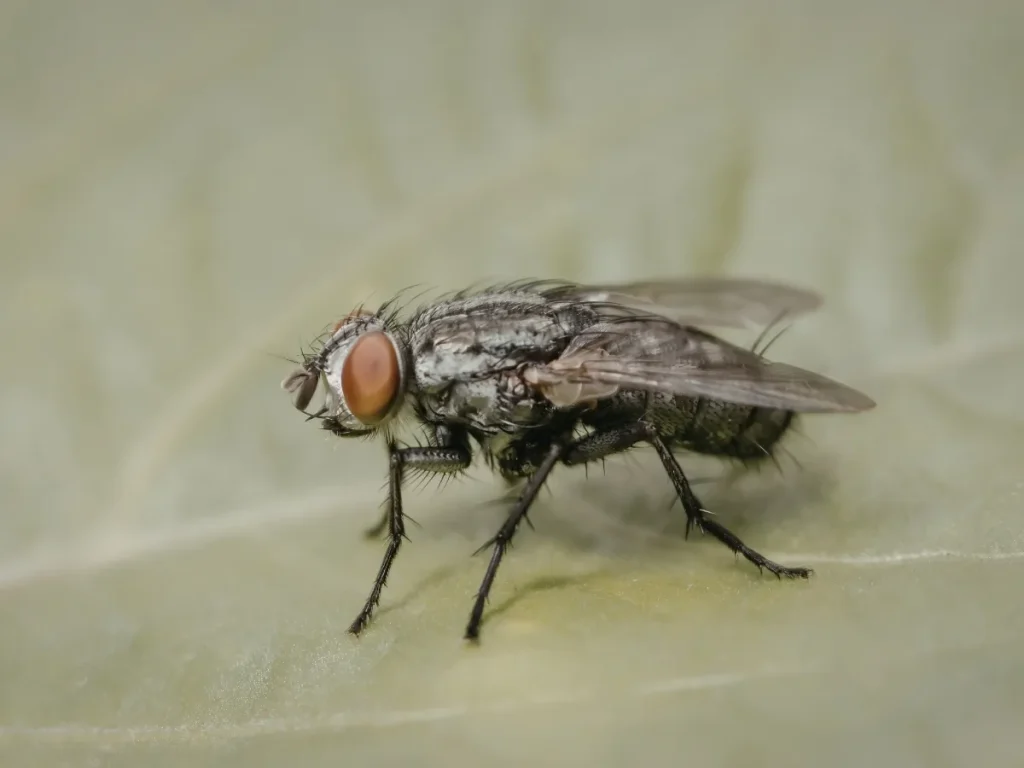
Garbage areas attract pests because they provide a constant and easily accessible food source. Discarded food scraps, spills, and improperly sealed trash bags create strong odors that draw in rodents, flies, cockroaches, and other pests. Even small amounts of waste can be enough to attract activity, especially if garbage is allowed to accumulate over time. Once pests discover a reliable food supply, they are likely to return repeatedly and begin nesting nearby.
In addition to food, garbage areas often offer moisture and shelter, which further increases their appeal. Leaking trash bags, liquid waste, and poor drainage can create damp conditions that many pests depend on to survive. Enclosed or poorly maintained garbage spaces, such as dumpsters, trash rooms, or outdoor bins, can also provide protection from weather and predators. These conditions make it easy for pests to hide, breed, and expand their presence without being disturbed.
Preventing pest activity in garbage areas requires consistent maintenance and proper waste management practices. Using tightly sealed bins, regularly cleaning trash containers, and ensuring timely waste removal can significantly reduce attractants. Keeping the area dry, well-ventilated, and free of debris also makes it less inviting for pests. By managing food waste carefully and maintaining clean surroundings, you can greatly reduce the risk of infestations starting in garbage areas and spreading to other parts of the property.
Garbage areas naturally attract pests because they provide everything pests need to survive, food, shelter, and moisture. Organic waste such as leftover food, packaging, and liquids produces strong odours that can draw pests from a considerable distance. Rodents, flies, cockroaches, and other insects are especially attracted to these smells, quickly gathering in areas where waste is not properly managed. Once they locate a reliable food source, they are likely to return and establish ongoing activity nearby.
In addition to food, garbage areas often offer ideal hiding spots and damp conditions that support pest survival. Unsealed or overflowing bins create sheltered spaces where pests can nest and remain undisturbed, while leaking bags and spilled liquids introduce moisture that many species depend on. Without regular cleaning and proper waste handling, these conditions can quickly lead to increased pest populations. Managing garbage areas effectively, through sealed containers, routine cleaning, and moisture control, is essential to reducing attraction and preventing infestations from developing.
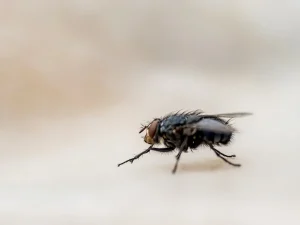
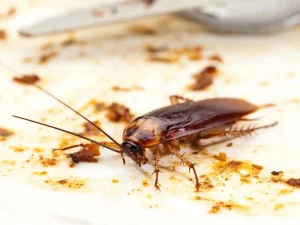
Different types of pests are commonly found around garbage, each bringing its own risks. Knowing what you might encounter helps you respond more effectively. Rodents such as rats and mice are frequent visitors. They are drawn to food waste and can chew through bags and containers. Flies are also common and can spread bacteria as they move between garbage and other surfaces. Cockroaches thrive in garbage areas due to the abundance of food and moisture. Ants may also gather in large numbers, especially during warmer months. Understanding these pests makes it easier to manage and reduce pests in garbage areas before they spread further.
Food waste is one of the main reasons pests gather around garbage. Even small amounts of leftover food can attract a wide range of pests. Strong odours from decaying waste act as a signal, drawing pests from nearby areas. The longer garbage sits without being removed, the stronger these smells become. Open or poorly sealed bins make it easier for pests to access food directly. Once they find a reliable source, they are likely to return and multiply. Reducing food waste exposure is key to controlling pests in garbage areas and keeping them from settling in.
Moisture and poor drainage are among the most common conditions that encourage pest infestations in garbage areas. When leaks, spills, or blocked drains are left unaddressed, they create damp environments that are highly attractive to pests such as cockroaches, flies, and rodents. Standing water and consistently wet surfaces not only provide these pests with a reliable source of hydration but also create ideal breeding grounds, allowing their populations to grow rapidly. In addition, excessive moisture contributes to the development of bacteria and mould, which can further degrade sanitation and pose health risks to anyone in the vicinity.
Addressing moisture-related issues is therefore essential for effective pest prevention and overall hygiene. Ensuring proper drainage, repairing leaks promptly, and maintaining dry conditions can significantly reduce the likelihood of pest activity. Regular cleaning and monitoring help prevent water buildup and identify potential problem areas before they worsen. By managing moisture effectively, garbage areas can remain cleaner, safer, and less hospitable to pests, ultimately supporting a healthier environment for both workers and surrounding communities.
Improper waste handling is one of the leading causes of pest infestations. When garbage is not managed correctly, it creates easy access for pests. Overflowing bins, open lids, and infrequent collection all contribute to the problem. Pests quickly take advantage of these conditions. Using durable, sealed containers and scheduling regular waste removal can make a big difference. Keeping the area organized and clean helps reduce attraction. Strong waste management practices are essential for controlling pests in garbage areas.
Garbage areas need regular cleaning to stay pest free. Without proper maintenance, food residue and debris can build up quickly. Even if garbage is removed, leftover spills and stains can continue to attract pests. These areas should be cleaned thoroughly and often. Pay attention to corners, floors, and surrounding walls where waste may collect. Regular cleaning removes the scents and residues that pests rely on. Consistent maintenance supports long term control of pests in garbage areas.
Preventing pests in garbage areas requires consistent effort and attention to basic sanitation practices. When waste is not properly managed, it quickly becomes an easy food source and shelter for pests such as rodents, flies, and cockroaches. Simple habits, when done regularly, can greatly reduce the chances of infestation and help maintain a cleaner environment. By focusing on cleanliness, proper waste handling, and eliminating conditions that attract pests, these areas can remain under control and less appealing to unwanted visitors. Effective prevention starts with using bins that have tight-fitting lids to block pest access and removing garbage frequently to avoid buildup.
Regular cleaning of bins and the surrounding space helps eliminate food residue and odors that attract pests. Addressing structural issues such as leaks and poor drainage is also important, as reducing moisture removes a key factor that supports pest survival. Additionally, placing garbage storage areas away from building entrances can minimize the risk of pests entering indoor spaces, creating a safer and more hygienic environment overall. Working with professionals like TAG Pest Control services can also help ensure your prevention plan is complete. These steps are essential for reducing pests in garbage areas.
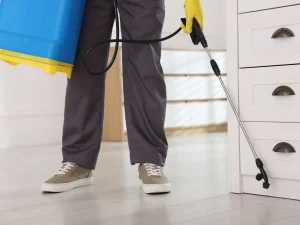
If pest activity continues despite your efforts, it may be time to call in professionals. Some infestations require specialized treatment to fully resolve. Signs such as large numbers of pests, strong odours, or repeated issues indicate a bigger problem. Ignoring these signs can allow the infestation to spread. At TAG Pest Control, we provide effective solutions tailored to your needs. If you are in the area, our Langley pest control team is ready to help. Professional support ensures that pests in garbage areas are handled safely and effectively.
Ongoing monitoring is key to preventing future infestations. Regular checks allow you to spot issues early and take action quickly. Inspect garbage areas for signs of pests, such as droppings or damaged bins. Address any problems right away to prevent them from growing. Consistency is important when it comes to pest control. The more proactive you are, the better your results will be. Regular monitoring helps keep pests in garbage areas under control and protects your property.
Garbage areas can easily attract pests if they are not properly maintained. Food waste, moisture, and poor management all contribute to the problem. By understanding what attracts pests in garbage areas, you can take steps to prevent infestations and protect your property. Cleanliness, proper storage, and regular maintenance all play a role. At TAG Pest Control, we are here to help you maintain safe and pest free environments with reliable and effective solutions. When you are ready to take control of your garbage areas, reach out through our contact page and let our team support you every step of the way.