Signs You Need Professional Pest Control in Your Langley Home
January 19, 2026
At TAG Pest Control, we often speak with homeowners who wonder if their pest problem is serious enough to call…
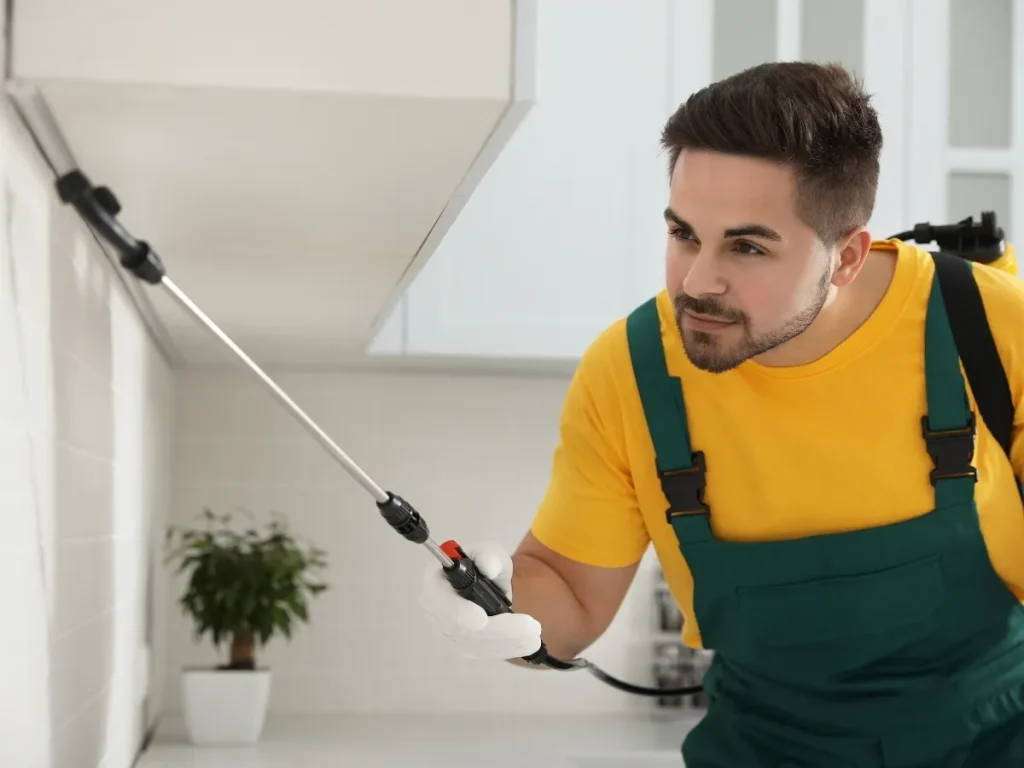
Preventing pests in storage areas begins with maintaining cleanliness and organization. Cluttered spaces provide ideal hiding spots for rodents, rats, and insects, allowing them to establish nests unnoticed. Homeowners should keep items in sealed containers rather than cardboard boxes, which pests can easily chew through. Regularly sweeping and inspecting storage areas, as well as ensuring that items are not in direct contact with walls or floors, helps eliminate potential hiding places. Proper lighting and ventilation can also make these spaces less inviting to pests.
Sealing entry points is another critical step in storage pest prevention. Gaps around doors, windows, vents, and utility lines can serve as access points for rodents and insects. Installing door sweeps, weather stripping, and mesh over vents can significantly reduce the chances of pests entering storage areas. Additionally, storing items off the ground on shelves and maintaining a barrier between stored belongings and walls helps prevent pests from gaining shelter or reaching stored items.
Finally, ongoing monitoring and professional support can further protect storage areas. Homeowners should periodically check for signs of pest activity, such as droppings, chewed materials, or insect presence. For long-term prevention, pest control professionals can provide inspections, targeted treatments, and advice on maintaining a pest-resistant environment. By combining cleanliness, proper storage techniques, and proactive monitoring, storage areas can remain safe and free from pest infestations.
Storage areas are particularly attractive to pests because they offer quiet, undisturbed environments where insects and rodents can thrive. These spaces are often rarely visited, allowing pests to establish nests without interruption. Materials commonly found in storage areas, such as cardboard boxes, paper products, and fabrics, provide ideal nesting materials for rodents and insects, giving them both shelter and a safe place to reproduce.
In addition to nesting materials, storage areas may contain food sources, even inadvertently, such as crumbs, packaged goods, or pantry items, which further encourage pest activity. Limited lighting and poor airflow in these spaces create an environment where pests can remain hidden while building nests, making infestations harder to detect. For these reasons, regular inspection and maintenance of storage areas are essential, including proper organization, sealing of food items, and adequate ventilation, to prevent pests from taking hold in the home.
Several types of pests are commonly discovered in storage spaces. Identifying these pests early can help prevent infestations from spreading to other parts of the home. Common storage pests include:
Rodents often chew through boxes and insulation while building nests. Insects such as silverfish and cockroaches may feed on paper, glue, or organic materials found in storage areas.
Recognizing signs of pest activity in storage spaces is crucial, as these areas are often overlooked and can harbor infestations for extended periods. Early detection allows for timely intervention before the problem escalates. Common indicators of pest presence include droppings around boxes or shelves, chewed cardboard or packaging, and nesting materials such as shredded paper. Even the sudden appearance of insects when moving stored items or unusual odors and stains in the area can signal that pests have taken up residence.
Being attentive to these warning signs helps homeowners address infestations promptly, preventing further damage to stored belongings. Regular inspections of storage areas, combined with proper organization and cleanliness, can minimize hiding spots and reduce the risk of pests establishing themselves. Acting quickly when evidence is detected not only protects items in storage but also helps maintain a healthier, safer environment in the home overall.
Preventing pests in storage areas requires a combination of organization, cleaning, and maintenance. Simple changes can greatly reduce the chances of pests entering and damaging stored items. Below are several practical storage pest prevention tips.
Cardboard boxes are commonly used for storage, but they are not always the best choice for long term storage. Rodents and insects can easily chew or crawl through cardboard. Using plastic containers with tight fitting lids provides better protection. These containers prevent pests from accessing the contents inside. Sealed containers are especially important when storing clothing, documents, or seasonal decorations.
Cleanliness is a key part of storage pest prevention. Dust, debris, and food particles can attract insects and rodents. Sweeping and vacuuming storage areas regularly helps remove materials that may attract pests. Cleaning also makes it easier to spot droppings or other signs of pest activity. Even if the area is rarely used, it should still be inspected and cleaned periodically.
Food items can attract pests very quickly. If food must be stored in a storage area, it should always be kept in sealed containers. Dry goods such as grains, pet food, or baking supplies should never be left in open packaging. Pests can easily detect food scents and may chew through packaging to reach it. Keeping food sealed helps support effective storage pest prevention.
Clutter provides hiding places for pests. Stacks of boxes, piles of paper, and unused items create ideal nesting locations. Organizing storage areas helps reduce these hiding spots. Shelving units can keep items elevated and allow better visibility around the room. By reducing clutter, homeowners make it more difficult for pests to settle into the space.
Items stored directly on the floor are more vulnerable to pests and moisture. Elevating storage containers on shelves or pallets can improve airflow and visibility. Keeping items off the floor also makes it easier to inspect for signs of pests. This small step plays an important role in storage pest prevention.
Basements are a popular choice for storage but are also highly attractive to pests due to their dark, quiet, and often humid conditions. High moisture levels in basements provide water sources for insects and rodents while also contributing to the deterioration of stored items over time. The combination of shelter, limited disturbance, and access to moisture makes basements an ideal environment for pests to establish nests and remain hidden.
Homeowners can take several measures to reduce the risk of infestations in basement storage areas. Using dehumidifiers helps control humidity, while sealing cracks in foundation walls and inspecting for leaking pipes prevents entry points and moisture buildup. Keeping storage containers elevated off the floor further reduces pest access and allows for better airflow. Together, these steps make the basement less inviting to pests and protect both the stored items and the overall home environment.
Garages are particularly vulnerable to pests due to frequent access and the variety of attractants they contain. Open doors provide easy entry points for insects and rodents, while items such as pet food, recycling bins, and stored materials can draw pests into the space. Without proper maintenance, garages can quickly become a hub for infestations, threatening stored belongings and creating a potential pathway for pests to enter the home.
Effective pest prevention in garages involves a combination of cleanliness and strategic storage practices. Keeping garbage bins sealed, storing pet food in airtight containers, and sweeping floors regularly help eliminate food sources that attract pests. Additionally, sealing gaps around garage doors reduces entry points for rodents and insects. By maintaining an organized and tidy garage, homeowners can significantly limit pest activity and protect both the garage and the rest of the home from infestations.
While many storage pest prevention steps can be handled by homeowners, some infestations require professional attention. Pests may hide in wall voids, insulation, or other areas that are difficult to inspect. Professional pest control technicians have the training and tools needed to locate hidden pest activity. They can also identify entry points that allow pests to access storage spaces.
At TAG Pest Control, we provide thorough inspections and targeted treatments designed to eliminate pests while preventing future infestations. Homeowners can learn more about our solutions by visiting our pest control services page. Residents dealing with local pest problems can also rely on our specialized Langley pest control services.
Long-term pest prevention in storage areas relies on consistent maintenance and vigilance. Even small, regular habits can make a significant difference in keeping pests from establishing nests. By routinely inspecting storage spaces, homeowners can catch early signs of infestation before they become serious problems, ensuring that stored items remain safe and undamaged.
Key strategies for long-term prevention include keeping containers tightly sealed and well-organized, which limits access to food and nesting materials. Promptly repairing cracks, gaps, or other openings prevents pests from entering, while ongoing monitoring for droppings, chewed materials, or unusual activity helps detect problems early. Scheduling periodic professional pest inspections adds an extra layer of protection, giving homeowners peace of mind that their storage areas remain clean, secure, and pest-free over time.
Storage areas are valuable spaces for keeping belongings organized, but they can also attract unwanted pests. Practicing proper storage pest prevention helps protect stored items and prevents infestations from spreading throughout the home. By using sealed containers, maintaining cleanliness, and reducing clutter, homeowners can create storage spaces that pests are less likely to invade.
When pest activity does occur, professional pest control services can provide effective solutions. At TAG Pest Control, we help homeowners protect their properties through expert inspections and reliable pest management. If you suspect pests may be hiding in your storage areas or want help preventing future infestations, do not hesitate to contact our team today and let us help you keep your home safe and pest free.