Pest Removal Surrey Services
February 22, 2026
At TAG Pest Control, we understand how suddenly pest problems can interrupt daily life. A space that felt clean and…
Detecting pests living in your walls requires careful observation of subtle warning signs. One of the most noticeable indicators is sound. Scratching, scurrying, or squeaking noises behind walls, especially at night when the house is quiet, often signal the presence of rodents such as mice or rats. Insects, like termites or carpenter ants, may produce faint rustling or tapping sounds as they tunnel through wood or drywall. Paying attention to these unusual noises can help homeowners identify an issue before it escalates.
Physical signs of pest activity in walls are also important to watch for. Small holes or gaps in walls, baseboards, or around vents may indicate entry points for pests. Stains, droppings, chewed wiring, or gnawed insulation are further evidence of rodents, while tiny piles of sawdust or frass can point to wood-damaging insects. Unexplained odors, such as a musty or ammonia-like smell, can also suggest that pests have been living unnoticed in wall cavities for some time.
Early detection and professional intervention are essential to prevent damage and further infestation. Once pests establish themselves inside walls, they can compromise structural integrity, spread disease, or invade other areas of the home. Consulting a pest control expert allows for a thorough inspection and targeted treatment that addresses the source of the problem while minimizing harm to the home. By recognizing noises, visual cues, and odors early, homeowners can take proactive steps to protect their property and maintain a safe, pest-free environment.
Walls offer an ideal refuge for many pests because they are dark, warm, and largely undisturbed by human activity. The cavities within walls provide a hidden pathway for movement, allowing pests to travel safely throughout a home without being seen. Rodents frequently use wall spaces to navigate between rooms while searching for food, while insects can establish nests within these voids, remaining protected from predators and harsh environmental conditions. In some cases, insulation inside walls can serve as both shelter and nesting material, further encouraging pests to inhabit these spaces.
Entry points such as gaps around pipes, vents, and foundations often provide easy access for pests to reach wall cavities. Once inside, pests can remain hidden for extended periods, making early detection difficult. Learning to recognize signs of pest activity within walls, such as unusual sounds, droppings, or damage to insulation and wiring, is crucial for homeowners. Early identification allows for prompt intervention, preventing infestations from spreading and reducing the potential damage to both the structure and stored belongings.
One of the most common pests in walls signs is unusual noise. Homeowners may hear scratching, scurrying, or rustling sounds coming from inside the walls. These sounds often occur when pests are moving through wall cavities. Rodents such as mice and rats are especially active at night. Homeowners may notice scratching sounds when the house becomes quiet in the evening. These noises may also occur early in the morning when pests begin searching for food. The sounds may seem faint at first but can become louder as the infestation grows. If noises appear regularly, it may indicate pests are living inside the walls.
Strange smells inside the home may also indicate pest activity. When pests nest inside walls, they often leave behind waste materials and food remains. Over time, these materials can produce unpleasant odours. Rodent droppings and urine often create strong smells that spread through the home. In some cases, the smell may become stronger if a pest becomes trapped or dies inside the wall cavity. These odours can travel through vents or small wall openings. Persistent smells without an obvious cause are important pests in walls signs that should not be ignored. Identifying the source early can help prevent further problems.
Visible damage to walls is often a key indicator of pest activity, particularly from rodents. Small holes near baseboards, cabinets, or wall corners can signal that pests have entered wall cavities or are attempting to create access points. Rodents such as mice and rats have strong teeth capable of chewing through wood, drywall, and even some plastic materials, making these small openings a common feature of infestations.
Over time, this chewing behavior can cause noticeable structural damage, compromising both the integrity and appearance of the home. Gnaw marks along wall edges or near openings provide additional evidence that rodents are active within the walls. Recognizing these physical signs early allows homeowners to address infestations before they worsen, preventing further damage and reducing the likelihood of pests spreading to other areas of the home.
Pest droppings are another clear warning sign of infestation. Rodents and insects often leave droppings along their travel paths. These areas are often located near walls, baseboards, or inside cabinets. Mouse droppings are small and dark, often shaped like grains of rice. Larger droppings may indicate rat activity. Finding these droppings near walls is a strong indication that pests may be living inside the structure. Droppings may appear in kitchens, basements, or storage areas where pests search for food. When droppings appear regularly, they are one of the most reliable pests in walls signs homeowners should watch for.
An increase in indoor pest activity often signals that pests may be nesting within the walls or other hidden areas of the home. When these nests are established nearby, rodents and insects venture out in search of food and water, leading to more frequent sightings inside living spaces. Homeowners may notice mice scurrying along baseboards, insects emerging near wall openings, or other unusual activity, particularly at night when many pests are most active. These patterns indicate that the infestation may already be well-established.
Frequent indoor sightings should prompt immediate attention, as early intervention can prevent pests from spreading further throughout the home. Identifying the source of the infestation and addressing it with proper pest control measures reduces the risk of damage to the property and limits potential health hazards. Proactive management ensures that minor infestations do not escalate into larger, more difficult-to-control problems.
Rodents often leave subtle but telling signs of their presence through grease marks or smudges along walls and baseboards. As mice and rats repeatedly travel the same routes, oils from their fur transfer onto surfaces, leaving dark streaks or patches. These marks are commonly found near small openings, along wall edges, or along paths they frequently use to navigate through the home.
Over time, these smudges can darken and become more noticeable, especially in areas that are less frequently cleaned. In addition to grease marks, homeowners may spot footprints or small tracks in dusty or undisturbed areas, providing further evidence of rodent activity. Recognizing these subtle signs is important for early detection of pests in walls, allowing homeowners to take timely action before infestations grow and cause more significant damage.
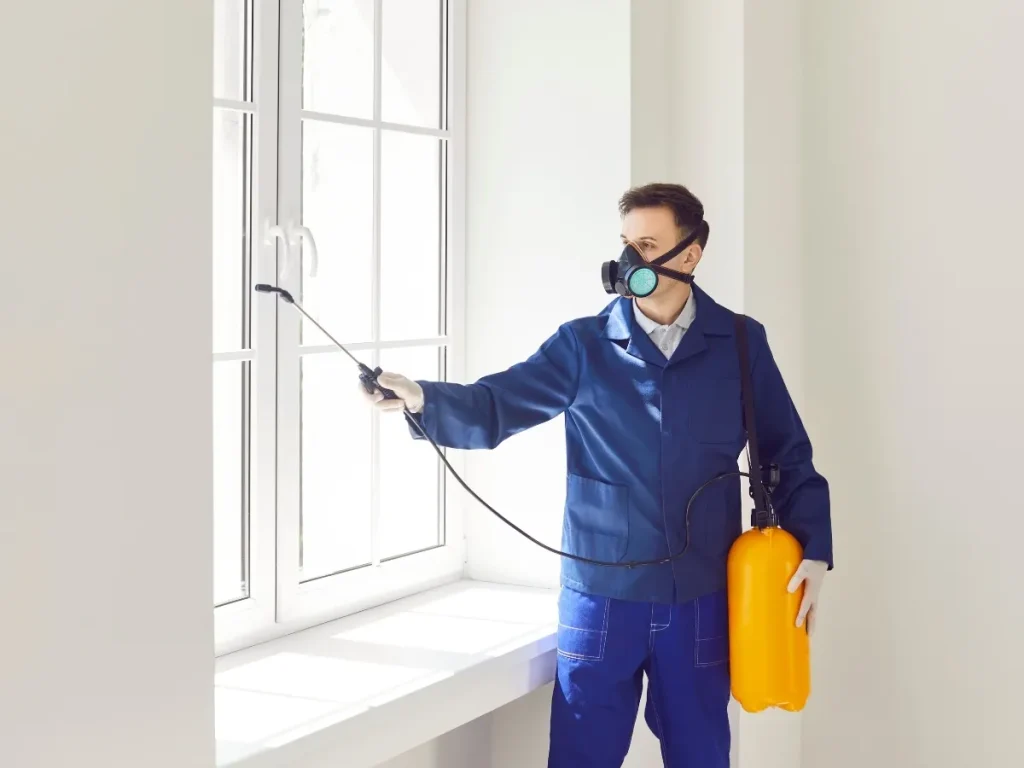
Pests hiding inside walls can be difficult to remove without professional help. These areas are not easily accessible, which allows infestations to grow unnoticed. Without proper treatment, pests may continue nesting and damaging the structure of the home. Professional pest control experts know how to locate hidden nests and entry points. They use specialized tools and inspection methods to identify where pests are hiding. Proper treatment can eliminate the infestation and prevent pests from returning.
At TAG Pest Control, our experienced technicians provide detailed inspections and targeted treatments. Homeowners can learn more about our professional solutions through our pest control services. If you are looking for trusted Langley pest control services, our team is ready to help identify and solve pest problems safely and effectively.
Pests living inside walls can cause serious damage if the problem is not addressed early. Learning to recognize common pests in walls signs can help homeowners detect infestations before they grow larger. Sounds in the walls, unusual smells, droppings, and wall damage are all warning signs that should not be ignored. Regular home inspections and quick action are the best ways to prevent pests from spreading through your home.
Addressing small problems early can save homeowners from costly repairs later. If you suspect pests may be hiding inside your walls, professional help can provide the safest and most effective solution. To schedule an inspection or learn more about our services, visit our contact page. The team at TAG Pest Control is ready to help protect your home and keep it pest free.