Signs You Need Professional Pest Control in Your Langley Home
January 19, 2026
At TAG Pest Control, we often speak with homeowners who wonder if their pest problem is serious enough to call…

Pest control is most effective when approached proactively rather than reactively. Many homeowners wait until they notice ants, spiders, or rodents inside their homes, but by that point, infestations may already be established. Scheduling regular pest control throughout the year allows homeowners to address potential problems before they escalate. Preventive treatments not only reduce the likelihood of seeing pests indoors but also protect the structural integrity of the home and prevent damage to furniture, wiring, and stored goods.
Different pests are more active during certain times of the year, which makes understanding seasonal patterns critical. Spring and summer often bring increased activity from ants, termites, mosquitoes, and flies as temperatures rise and food sources become more abundant. Fall may see rodents seeking warmth indoors, while winter can trigger pest infestations in attics or basements where heating systems create ideal environments. By aligning pest control measures with these seasonal trends, homeowners can effectively minimize risk and avoid the frustration and expense of dealing with a full-blown infestation.
Year-round pest management also provides peace of mind and long-term benefits. Regular inspections and treatments can identify vulnerabilities, such as gaps in windows or doors, and prevent infestations before they start. Additionally, ongoing pest control supports a healthier living environment by reducing exposure to allergens, bacteria, and other health risks associated with common household pests. Overall, proactive, seasonal pest control ensures that homes remain safe, comfortable, and protected no matter the time of year.
Seasonal pest control is essential because pests are highly responsive to changes in weather and temperature. As the seasons shift, many insects and rodents actively seek sources of food, water, and shelter, making homes an attractive environment for survival. Without intervention, these seasonal movements can quickly lead to infestations that are difficult to control. By proactively scheduling pest control treatments in alignment with seasonal patterns, homeowners can target pests when they are most vulnerable, preventing infestations before they gain a foothold. This approach not only reduces the immediate risk of pests but also minimizes the potential for larger, more costly problems later.
In addition to prevention, seasonal pest control allows for early detection of potential infestations. Professional technicians can identify subtle warning signs, such as small droppings, entry points, or minor damage, and address them before they escalate. This proactive strategy emphasizes long-term protection rather than reactive treatment, creating a safer and more comfortable living environment. By combining preventive care with regular monitoring, seasonal pest control ensures that homes remain resilient against pests year-round, reducing both the physical and financial impact of infestations.
Spring is one of the most important times for seasonal pest control. As temperatures rise, many pests begin to emerge after winter. Insects such as ants, spiders, and wasps become more active during this time. They begin searching for food sources and potential nesting areas around homes. Spring pest control treatments focus on preventing pests from establishing colonies. Early treatments can stop infestations before they grow larger later in the year. Homeowners may notice pest activity in areas such as:
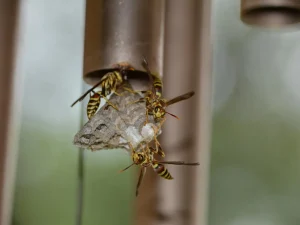
Summer marks the peak of pest activity, as warm temperatures and plentiful food sources create optimal conditions for many insects to thrive. Common pests during this season include wasps, hornets, ants, mosquitoes, flies, and spiders. While these pests are most active outdoors, they often venture indoors in search of food, water, and shelter, increasing the risk of infestations within the home. Homeowners may notice more frequent encounters with these insects, making it essential to address pest activity promptly to maintain a safe and comfortable living environment.
Seasonal pest control in summer focuses on both managing active infestations and preventing further spread. Outdoor treatments around the perimeter of the home, such as insect barrier applications and nest removal, help reduce populations before they can enter indoor spaces. These measures also protect outdoor living areas, including patios, decks, and gardens, where families spend time during warm months. By combining proactive prevention with targeted control, summer pest management minimizes the nuisance and potential hazards associated with seasonal pests.
Fall is a critical period for pest prevention, as dropping temperatures drive many pests to seek warmth and shelter indoors. Rodents, particularly mice and rats, become more active during this season, searching for small cracks, gaps, or openings that allow them to enter homes and establish nests in walls, attics, or basements. In addition to rodents, spiders and various insects may also migrate indoors to escape the cold, increasing the likelihood of infestations if preventive measures are not taken. Recognizing these seasonal behaviors is essential for homeowners who want to protect their homes before pests become a problem.
Fall pest control focuses on proactive measures designed to block pests from gaining access to the home. Key strategies include sealing potential entry points, reducing outdoor pest activity near the foundation, and inspecting the property for signs of nesting or early infestations. By addressing these risks before pests settle in for the winter, seasonal treatments help ensure that homes remain pest-free and prevent more extensive problems that can develop during colder months. This preventative approach is both cost-effective and critical for maintaining a safe, comfortable indoor environment throughout the year.
Although pest activity slows during winter, this season still plays an important role in seasonal pest control. Some pests remain active indoors during colder months. Rodents, cockroaches, and certain insects may continue living inside homes where warmth and food are available. Winter pest control services often involve inspections and monitoring. Professionals check for signs of hidden pest activity and identify areas that may need repairs. Winter is also a good time for homeowners to prepare for the upcoming pest season. Addressing small issues during winter helps prevent larger infestations in spring.
Homeowners should remain vigilant for signs of pest activity, even when following a seasonal pest control plan. Early detection is crucial, as addressing infestations promptly can prevent pests from multiplying and spreading throughout the home. Common warning signs include droppings or nesting materials, chewed food packaging or wiring, buzzing or scratching sounds in walls, visible nests around the property, and frequent sightings of insects indoors. Recognizing these indicators allows homeowners to take action before a minor issue escalates into a more serious infestation.
Promptly scheduling pest control when these signs appear ensures that professionals can target the problem effectively and prevent further damage. Technicians can identify the type of pest, assess the extent of the infestation, and apply appropriate treatments to eliminate the threat. By responding quickly to warning signs, homeowners protect both their property and their health, maintaining a clean and safe environment while minimizing the long-term impact of pests.
Regular pest control treatments offer significant benefits by shifting the focus from reactive measures to long-term prevention. Instead of repeatedly dealing with infestations after they occur, homeowners who schedule routine pest control enjoy proactive protection against pests before they become a problem. This approach helps maintain the structural integrity of the home, as it reduces the risk of damage from rodents, termites, and other wood-damaging insects. By addressing potential pest threats early, preventive treatments also minimize the need for costly repairs and extensive remediation.
In addition to protecting the home’s structure, regular pest control supports a healthier and more comfortable living environment. Fewer pests mean reduced exposure to allergens, bacteria, and other health risks that insects and rodents can carry. Homeowners also experience less stress and disruption from pest-related issues, allowing them to enjoy their living spaces without worry. By maintaining consistent, seasonal treatments, homeowners can ensure year-round protection, creating a safer, cleaner, and more secure home environment.
While homeowners can take basic steps to reduce pest activity, professional pest control offers more complete protection. Pest control technicians understand the habits of different pests and know how to treat them effectively. At TAG Pest Control, our team uses proven techniques designed to address pest problems at every stage of the year. Our approach to seasonal pest control focuses on prevention, monitoring, and targeted treatments. You can learn more about our solutions by visiting our pest control services. Professional inspections help identify hidden issues and ensure pests are removed safely and efficiently.
Pest activity can vary depending on climate and local conditions. Local pest control professionals understand which pests are most common in the area and when they are most active. Our experienced team provides reliable Langley pest control services designed to protect homes from the pests most frequently found in the region. By combining local knowledge with professional techniques, we help homeowners maintain a pest free environment throughout the year.
Homeowners should reach out to pest control professionals whenever they observe signs of infestation or wish to proactively prevent future pest problems. Professional intervention is particularly important when pest activity persists despite preventative measures, indicating that the issue may be more extensive than initially apparent. Frequent sightings of rodents or insects indoors, visible nests around the property, or evidence of pest-related damage in the home are all clear signals that expert assistance is needed.
Promptly contacting pest control professionals helps safeguard the home from further damage and reduces the likelihood of a full-blown infestation. Technicians can accurately identify the type of pest, determine the extent of the problem, and implement targeted treatments to eliminate it effectively. Acting quickly not only protects the physical structure of the home but also preserves the homeowner’s peace of mind, ensuring a safe and comfortable living environment. If you are ready to schedule seasonal pest control, our team is here to help. You can contact us through our contact page to arrange a professional inspection.
Pests are active throughout the year, and each season brings different challenges for homeowners. Understanding how pest activity changes with the seasons helps you take the right steps to protect your home. By scheduling seasonal pest control, homeowners can prevent infestations before they begin and maintain a clean, safe living environment. Regular treatments help manage pest populations and reduce the risk of damage or health concerns. At TAG Pest Control, we are committed to helping homeowners stay protected with reliable pest management solutions throughout the year. With proactive seasonal pest control, you can keep your home comfortable and pest free in every season.