Signs You Need Professional Pest Control in Your Langley Home
January 19, 2026
At TAG Pest Control, we often speak with homeowners who wonder if their pest problem is serious enough to call…
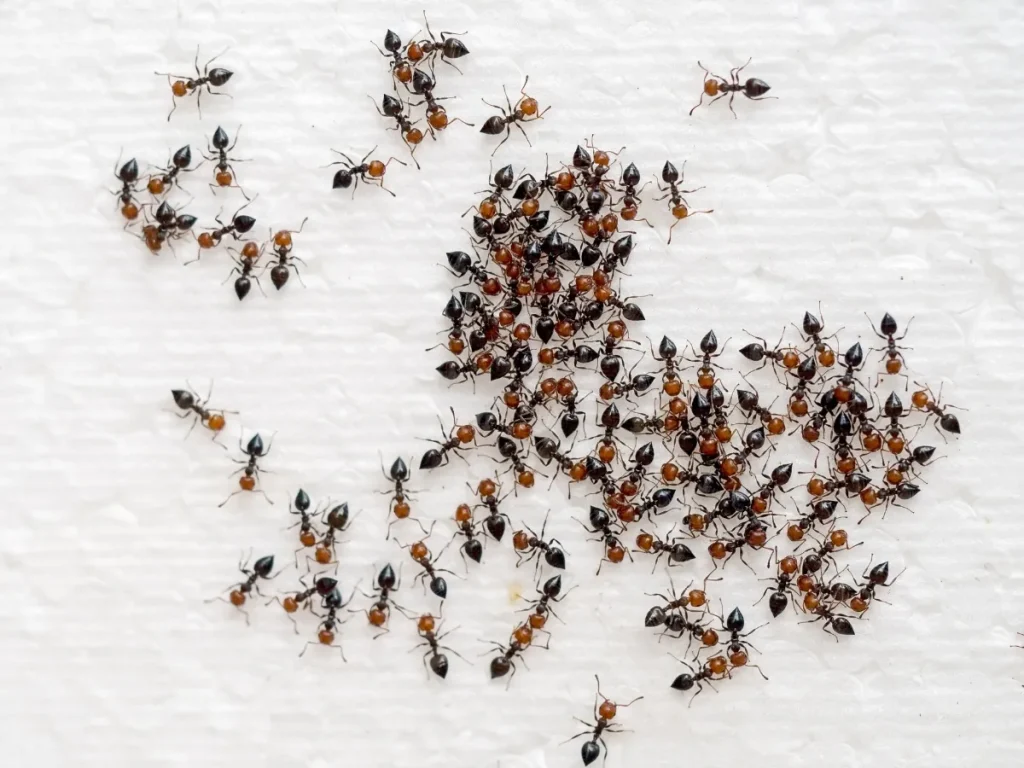
Pantry pest control is essential for maintaining a clean and safe kitchen environment. Pantry pests are small insects that invade food storage areas and contaminate dry goods such as flour, rice, cereal, pasta, and grains. Common pantry pests include moths, beetles, and weevils, which can quickly spread once they find an accessible food source. Because these insects are small and often hide inside packaging or containers, many homeowners do not notice the problem until it becomes more widespread. At TAG Pest Control, we frequently assist homeowners who discover pantry pests after they have already spread through several food items.
In many cases, pantry pests enter the home through packaged foods that were purchased at grocery stores. Eggs or larvae may already be present inside sealed packages, and once these items are stored in the pantry, the pests can begin to hatch and reproduce. Over time, they may spread to nearby containers and cupboards, contaminating additional food products. Without proper pantry pest control, a small problem can quickly affect multiple shelves and storage areas in the kitchen.
Addressing pantry pests requires both removing the source of the infestation and preventing future problems. This often involves discarding contaminated food, thoroughly cleaning pantry shelves, and storing new dry goods in airtight containers that pests cannot access. Regularly inspecting food products and maintaining a clean pantry can help reduce the chances of pests returning. In this guide, we will explain how to identify common pantry pests, the steps needed to remove them from your kitchen, and practical ways to prevent them from coming back.
Pantry pests are insects that infest stored food products commonly found in kitchen cupboards and pantry shelves. These pests are attracted to dry foods such as grains, cereals, flour, rice, pasta, and other packaged goods. Because they are small and often remain hidden inside food packaging, pantry pests can go unnoticed for some time. Over time, they may reproduce and spread to other nearby food items, leading to a larger infestation in the pantry or kitchen storage areas.
Several types of insects are commonly associated with pantry infestations. These include Indian meal moths, grain beetles, flour beetles, and weevils. Each of these pests targets dry food products and can contaminate stored items as they feed and reproduce. In many cases, homeowners may first notice small insects crawling inside cupboards or flying near pantry shelves. Understanding the specific types of insects involved is an important first step in effective pantry pest control, as proper identification helps determine the most appropriate way to manage the infestation.
Pantry pests often remain unnoticed for long periods because they live and reproduce inside stored food products, but several warning signs can help identify an infestation early. Homeowners may notice small insects crawling inside food containers or cupboards, tiny holes in food packaging where pests have entered, or fine powdery residue and web-like material inside packages caused by feeding and larvae activity. In some cases, small moths may also be seen flying around the kitchen, especially near pantry shelves or food storage areas. These signs suggest that pantry pests may already be present and actively feeding on stored foods. Detecting these indicators early and taking steps for pantry pest control can help prevent the infestation from spreading to additional food items and other cupboards throughout the kitchen.
Many homeowners are surprised to learn that pantry pests often enter the home through store bought products. Eggs or larvae may already be inside food packages before they are purchased. Once the food is brought home, the pests may hatch and begin spreading to nearby food items. Pantry pests can also enter through small openings in packaging or containers. Cardboard boxes and thin plastic bags are easy for insects to penetrate. Proper food storage is a key step in preventing pantry pest control issues.
Inspecting all food products is the first and most important step in pantry pest control because these insects usually originate from infested food items stored in cupboards or pantries. Homeowners should carefully examine every package in the affected area to locate the source of the infestation. Items such as flour, rice, pasta, cereal, dried beans, and pet food are particularly common targets for pantry pests because they provide an ideal food supply.
During the inspection, it is important to look for visible insects, larvae, small holes in packaging, or unusual powdery residue inside the packages. If any signs of contamination are found, the affected food should be removed and discarded immediately to prevent the pests from spreading to other stored products in the kitchen.
Disposing of infested food is a critical step in pantry pest control because keeping contaminated items can allow pests to continue breeding and spreading throughout the kitchen. Once infested packages are identified, they should be placed in sealed garbage bags to prevent insects from escaping and moving to other food items.
Even if only a few pests are visible, the food should not be saved, as pantry pests often lay eggs that are too small to see, meaning the infestation may already be more extensive than it appears. Removing all contaminated food promptly helps eliminate the primary source of the pests, preventing further reproduction and supporting the effectiveness of additional control measures.
After removing infested food, the entire pantry should be cleaned carefully. This step removes hidden insects and eggs that may remain on shelves or surfaces. Start by emptying all shelves and vacuuming corners and cracks. Pay close attention to areas where food particles may collect. After vacuuming, wipe shelves with warm soapy water. Cleaning containers and surfaces thoroughly supports effective pantry pest control.
Storing food in airtight containers is an effective way to prevent pantry pests from returning because it creates a barrier that keeps insects from accessing stored items and spreading between packages. Items like flour, sugar, rice, cereal, and pasta are particularly vulnerable to infestation, so using sealed containers made of glass or sturdy plastic is more effective than relying on cardboard or thin plastic packaging. Airtight containers not only protect food from contamination but also make it easier to monitor for any future signs of pests. By adopting this simple storage habit, homeowners can significantly reduce the risk of pantry pest problems and maintain a cleaner, safer kitchen environment.
Regular inspections help detect pantry pests before they spread. Checking stored foods periodically allows homeowners to spot early warning signs. Look for insects, damaged packaging, or unusual powder in food containers. Monitoring your pantry helps maintain effective pantry pest control over time. Keeping shelves clean and organized also makes inspections easier.
While cleaning and food storage can solve minor infestations, some pantry pest problems may persist. Hidden eggs or larvae may remain in cracks, shelves, or other kitchen areas. In these cases, pests may continue appearing even after contaminated food has been removed. Professional pest control services can help identify hidden infestation sources and apply targeted treatments. At TAG Pest Control, our technicians provide reliable pest control services designed to eliminate pantry pests safely.
Professional pest control plays a critical role in eliminating pantry pests by addressing both the visible infestation and the underlying causes. The process begins with a meticulous inspection of the kitchen and surrounding areas, allowing technicians to accurately identify the type of pests present, such as weevils, moths, or ants, and understand how they are entering and spreading. By pinpointing the source of the infestation, professionals can implement targeted treatments that focus specifically on affected areas, rather than applying broad or ineffective measures. This precise approach increases the likelihood of completely eradicating pests while minimizing the use of chemicals in food storage spaces. Beyond immediate treatment, professional pest control also provides guidance on preventative measures that reduce the risk of future infestations.
Technicians often recommend improvements in food storage practices, such as sealing containers, rotating stock, and maintaining clean pantry shelves. Additionally, they may inspect adjacent rooms or storage areas where pests could hide, ensuring that the problem is addressed comprehensively rather than temporarily suppressed. By combining expert intervention with practical prevention strategies, professional pest control not only eliminates existing pantry pests but also helps homeowners maintain a cleaner, safer, and pest-free environment over the long term. Homeowners looking for trusted pest management can rely on experienced Langley pest control services to manage pantry pest infestations effectively.
Preventing pantry pests is largely a matter of maintaining consistent cleanliness and careful food storage habits. By storing dry foods such as grains, cereals, and spices in airtight containers, homeowners can block pests from accessing their food sources. Regularly cleaning pantry shelves and wiping up crumbs and spills removes the small particles that often attract insects. Additionally, inspecting grocery items before placing them in storage and discarding old or expired products reduces the risk of introducing pests into the home in the first place. These simple practices form the foundation of effective pantry pest prevention.
Maintaining vigilance in the kitchen can significantly reduce the likelihood of a future infestation. Even minor lapses, such as leaving food uncovered or allowing spills to accumulate, can create ideal conditions for pantry pests to thrive. By combining careful inspection, proper storage, and routine cleaning, homeowners create an environment that is inhospitable to pests. Over time, these habits not only protect stored food but also contribute to overall kitchen hygiene, supporting long-term pest control and a safer, healthier home.
Homeowners should contact a pest control professional if pantry pests persist despite thorough cleaning and proper food storage, as ongoing activity may indicate a more widespread infestation. Pest control experts can conduct a detailed inspection to identify the source of the infestation, locate hidden nests or contaminated areas, and recommend targeted treatments to eliminate the pests effectively.
Early professional intervention is especially important because pantry pests can quickly spread to other cupboards, kitchen areas, or even other parts of the home, making the problem more difficult to control. Seeking expert assistance helps ensure that the infestation is addressed completely and prevents further damage or contamination of food supplies. If you suspect a pantry pest problem in your kitchen, you can reach out through our contact page to schedule a professional inspection.
Pantry pest control is essential for protecting your food and maintaining a clean kitchen environment. By inspecting food products, removing contaminated items, cleaning thoroughly, and storing food properly, homeowners can eliminate most pantry pest problems. However, when infestations persist or spread, professional support can provide a more reliable solution. At TAG Pest Control, we help homeowners remove pantry pests and prevent them from returning. With the right prevention steps and expert pest control services, your kitchen can remain clean, safe, and free from unwanted insects.