Wasps and Spiders in Murrayville: What Homeowners Should Know
April 23, 2026
Wasps and spiders in Murrayville are common concerns for many homeowners throughout the year. The area’s quiet neighbourhoods, green spaces,…
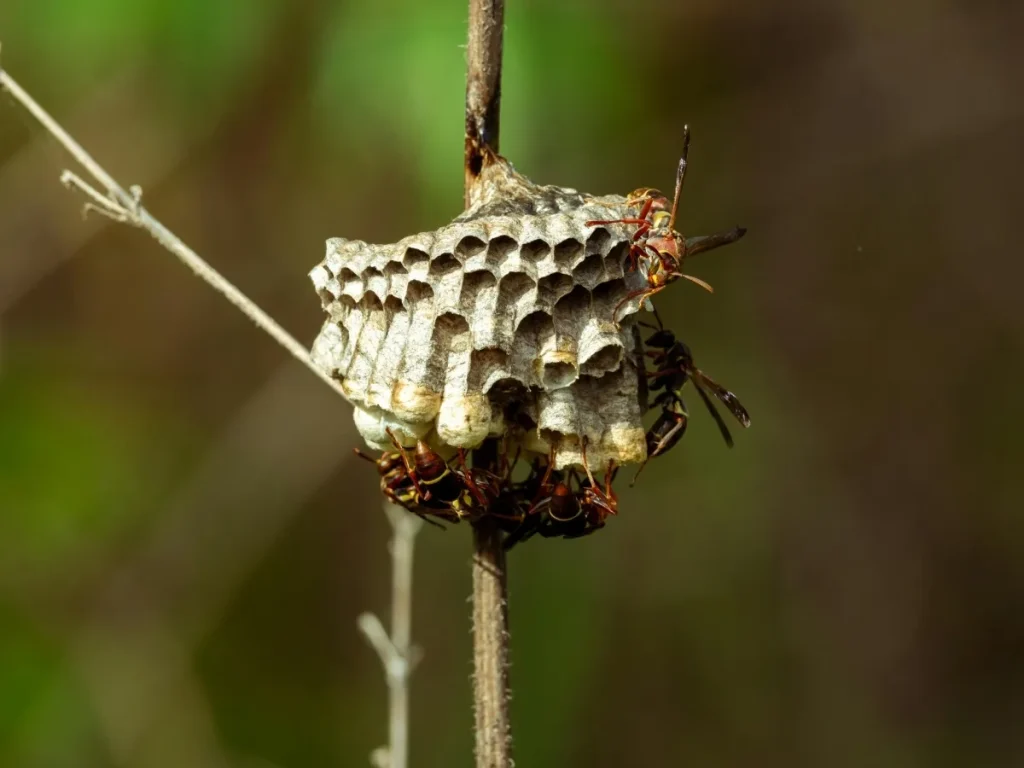
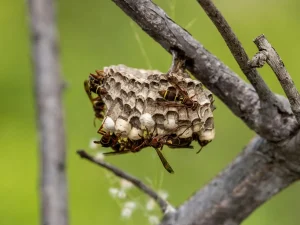
Wasps often build nests around homes in places such as roof eaves, fences, sheds, trees, or porch ceilings. When the nest is still small, it may appear as a small paper-like structure attached to a surface. Wasps create these nests by chewing wood fibers and mixing them with saliva, forming a papery material. During spring and early summer, colonies are usually smaller, which is why early detection is important. If left alone, the nest can expand quickly as more wasps hatch and begin protecting the colony.
If a homeowner decides to address a small nest, safety precautions are essential. It is important to wear protective clothing such as long sleeves, gloves, and closed shoes to reduce the risk of stings. The safest time to approach a nest is during the evening or early morning when wasps are less active. Standing at a safe distance and using a wasp-specific spray designed for nest treatment can help control the insects. Homeowners should avoid sudden movements or attempting to knock down the nest directly, as this can provoke aggressive behavior from the wasps.
Even small nests can pose risks if they are located near doorways, walkways, or areas where people frequently gather. If the nest appears large, difficult to reach, or if multiple wasps are present, it is safer to contact a professional pest control service. Professionals have the proper equipment and training to remove nests safely without increasing the risk of stings. Pest control experts, such as the team at TAG Pest Control, can assess the situation, remove the nest effectively, and provide advice on preventing wasps from returning to the area.
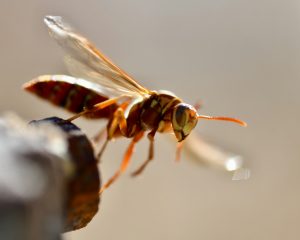
Understanding wasp behaviour is important before attempting safe wasp nest removal. Wasps build nests as protected spaces where the colony can grow and raise new workers. At the beginning of the season, usually in spring, nests are relatively small and may contain only a queen and a few developing workers. As the season continues into summer, the colony expands and the nest grows much larger as more worker wasps are produced. This growth can make nests more noticeable and increase the number of wasps active around a home.
Wasps are generally most active during the daytime when they leave the nest to search for food and building materials. They can become defensive if they sense that their nest is threatened, which increases the risk of stings when someone approaches too closely. For this reason, understanding their behaviour and approaching removal carefully is important for safety. Wasps often build nests in sheltered locations such as under roof edges, inside sheds or garages, on tree branches, beneath decks or railings, and near doorways or windows. Identifying the exact location and approximate size of the nest is an important first step in determining the safest way to deal with the problem.
Not every wasp nest can or should be removed by homeowners. Safe wasp nest removal is usually possible only when the nest is small and easy to reach. A nest early in the season may contain only a handful of wasps, which reduces the risk of aggressive behaviour. Small nests are usually about the size of a golf ball or slightly larger.
At this stage, the colony is still developing and may be easier to manage. If the nest grows larger than a baseball or is located in a difficult area, professional removal is often the safest choice. It is also important to consider personal safety. Anyone with allergies to insect stings should never attempt wasp nest removal on their own. In those cases, professional pest control services are strongly recommended.
Timing plays an important role in safe wasp nest removal. The best time to remove a nest is during the evening or early morning. During these hours, most wasps are inside the nest and activity levels are lower. Cooler temperatures also slow down wasp movement. This makes it easier to approach the nest carefully without attracting attention. Attempting removal during the middle of the day can be dangerous because wasps are highly active. Homeowners should always work slowly and calmly when dealing with wasp nests. Quick movements or loud disturbances can cause wasps to become defensive.
Wearing proper protective clothing is an important step when attempting safe wasp nest removal. Even small nests can contain multiple wasps, and these insects may become defensive if they feel their colony is threatened. Protective gear helps create a barrier between your skin and potential stings, reducing the risk of injury while working near the nest. Preparing the right equipment before approaching the area can make the process safer and more controlled.
Several types of clothing and safety items can help provide protection. Long sleeves and long pants cover exposed skin, while closed shoes or boots protect your feet from stings. Thick gloves help shield your hands when working near the nest, and eye protection or a face covering can guard sensitive areas such as the face and eyes. In addition to protective clothing, it is important to plan a clear escape route in case the wasps become aggressive or begin to swarm. Approaching the situation calmly and cautiously is essential, and if the nest appears large or difficult to reach, it may be safer to seek professional pest control assistance rather than attempting removal yourself.
If a wasp nest is small and easily accessible, homeowners may carefully attempt safe wasp nest removal by taking proper precautions. Timing and preparation are important because wasps are less active during certain parts of the day. Evening is usually the safest time to approach a nest since most wasps have returned to the colony and activity levels are lower. Before beginning, it is essential to wear protective clothing to reduce the risk of stings and to ensure that the area around the nest can be approached safely.
A few basic steps can help reduce risks during the process. Start by waiting until evening when wasp activity is minimal. Put on protective clothing such as long sleeves, gloves, and eye protection before approaching the nest. Use a wasp control spray specifically designed for treating nests and apply it from a safe distance according to the product instructions. After spraying, move away from the area and allow time for the treatment to take effect. Once there is no visible wasp activity, the nest may be carefully removed if it is safe to do so. While these steps can help manage very small nests, safety should always come first, and larger or difficult nests are often best handled by professional pest control services.
As a wasp colony grows, the nest can become increasingly difficult and dangerous to manage without proper experience or equipment. While small nests early in the season may contain only a few wasps, larger nests can house dozens or even hundreds of workers that actively defend the colony. When a nest reaches this stage, attempting safe wasp nest removal without professional assistance can increase the risk of multiple stings. Wasps become more protective as their colony expands, and disturbing the nest may trigger aggressive behaviour.
There are several warning signs that indicate a wasp nest may require professional removal. A nest that has grown larger than a baseball often suggests a well-established colony. Heavy wasp activity around a specific area of the home can also signal a large nest nearby. Nests located in difficult places, such as high on roof edges, inside walls, or in other hard-to-reach areas, are particularly risky to approach. In some cases, homeowners may notice multiple nests forming around the property, which increases overall wasp activity. If wasps begin behaving aggressively when someone gets close to the nest, it is a strong indication that the situation could be unsafe to handle alone. In these situations, contacting experienced pest control professionals is usually the safest option.
Understanding why wasps choose certain areas can help prevent future problems. Wasps build nests in locations that provide shelter and protection from weather. Roof edges, decks, and sheds offer excellent cover for growing colonies. Wasps are also attracted to food sources around homes. Outdoor garbage bins, sugary drinks, and uncovered food can attract foraging wasps. Gardens and flowering plants may also draw them closer. Reducing these attractions can lower the chances of future nests appearing near your home.
Preventing wasp nests from forming is one of the most effective long-term ways to reduce wasp activity around your home. Wasps typically search for sheltered, quiet locations where they can safely build their nests and grow their colonies. By making small adjustments to home maintenance and outdoor cleanliness, homeowners can reduce the number of attractive nesting spots available. Early awareness is especially important in spring, when queens begin building small starter nests that can quickly expand as the season progresses.
Several simple prevention practices can help discourage wasps from settling near your home. Sealing small gaps around rooflines, siding, and other exterior structures removes potential entry points where nests could be built. Keeping outdoor garbage bins tightly closed helps reduce food odors that attract wasps, while regularly cleaning outdoor eating areas prevents leftover food and sugary drinks from drawing them in. It is also helpful to inspect sheds, decks, and other outdoor structures during the spring to look for early signs of nest construction. Removing small starter nests early, when they contain only a few wasps, can prevent larger colonies from developing later in the season. Regular checks around the property allow homeowners to detect new nests quickly and address them before they become a bigger problem.
Although small nests may sometimes be handled safely, larger infestations require expert help. Professional pest control technicians have specialized equipment and protective gear. This allows them to perform safe wasp nest removal without putting homeowners at risk. Professionals also understand how different wasp species behave. This knowledge helps them choose the safest and most effective removal methods.
Attempting to remove a large nest without training can result in multiple stings or incomplete removal. At TAG Pest Control, we provide safe and reliable wasp removal services for homeowners. Our trained technicians carefully inspect the property, locate nests, and eliminate them using proven methods. You can learn more about our professional pest control services and how we help protect homes from wasp infestations.
In Langley, wasps are especially active during spring and summer months. Many homes experience nests around decks, sheds, and roof edges during this time. Early removal can prevent colonies from growing large and aggressive. Our team understands the pest challenges that affect homes in the Langley area. We use targeted solutions designed to eliminate nests and prevent future problems. Our goal is to ensure your property remains safe and comfortable for your family. If you are dealing with wasps around your home, our Langley pest control specialists are ready to help with effective solutions.
Learning about safe wasp nest removal can help homeowners address small nests before they grow into larger problems. Acting early, using proper safety measures, and choosing the right time of day can reduce risks. However, wasps can become aggressive when their nests are disturbed, so caution is always important. For larger nests or difficult locations, professional pest control is often the safest option. Experienced technicians can remove nests efficiently while protecting your home and family from potential stings.
If you notice increased wasp activity or a nest forming around your property, it may be time to take action. Our experienced team is ready to help you deal with wasp problems safely and effectively. You can easily contact our team to schedule an inspection. Keeping your home free from wasp nests helps create a safer outdoor environment for everyone. At TAG Pest Control, we are committed to providing dependable pest management solutions that keep your property protected throughout the year.