Wasps and Spiders in Murrayville: What Homeowners Should Know
April 23, 2026
Wasps and spiders in Murrayville are common concerns for many homeowners throughout the year. The area’s quiet neighbourhoods, green spaces,…
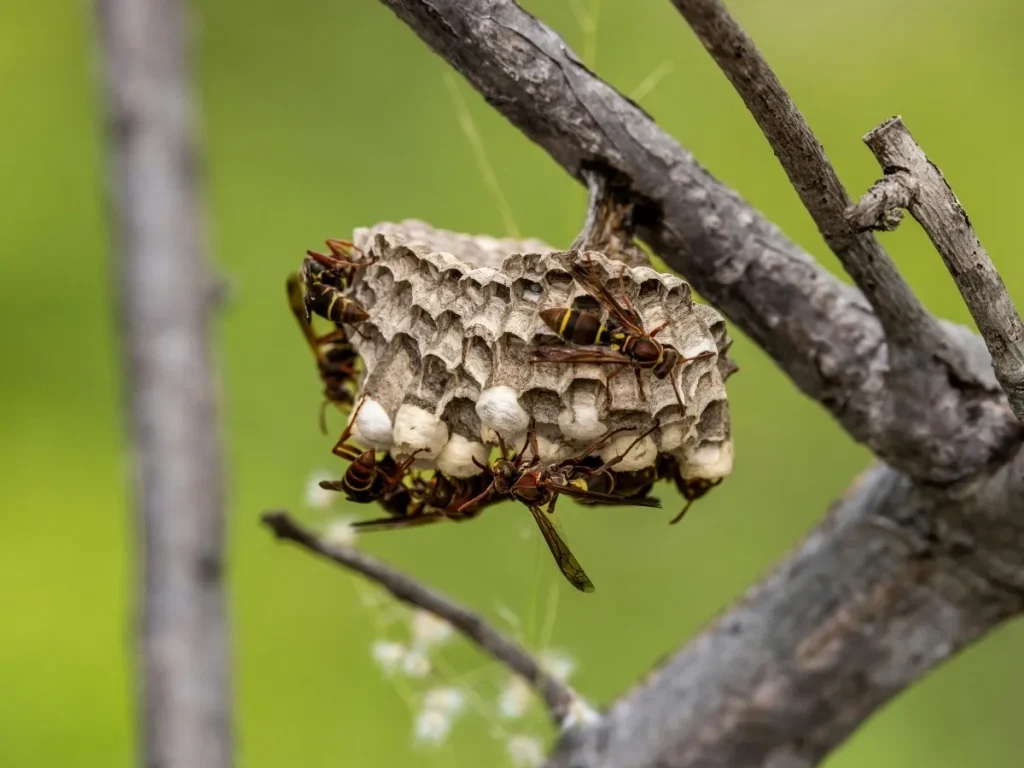
Discovering a wasp nest in your backyard can be alarming, particularly if your family spends a lot of time outdoors. Wasps are naturally protective of their nests and may react aggressively if they feel their colony is threatened. Activities such as gardening, mowing the lawn, or playing outside can accidentally disturb a nest, increasing the risk of painful stings. Understanding the proper steps for backyard wasp nest removal is important for protecting your family and avoiding potentially dangerous encounters with these insects.
At TAG Pest Control, we often help homeowners who discover wasp nests unexpectedly while working or relaxing in their yard. Many wasp nests begin small in early spring but can grow rapidly during the warmer months as the colony expands. Wasps commonly build nests under roof eaves, in trees, inside sheds, beneath decks, or in bushes around the yard. If a nest goes unnoticed, it can develop into a large and active colony within just a few weeks, making the situation more difficult to manage safely.
If you find a wasp nest in your backyard, it is important not to disturb it or attempt to remove it without proper protection and knowledge. Approaching the nest or trying to knock it down can trigger defensive behavior from the colony. Instead, keep a safe distance and ensure that children and pets stay away from the area. In many cases, the safest solution is to contact pest control professionals who have the training and equipment needed to handle the problem properly. In this guide, we will explain what to do if you discover a nest, how to stay safe around wasps, and when professional backyard wasp nest removal is the best option.
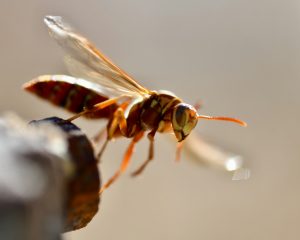
Wasp nests can become dangerous when they are located close to areas where people frequently spend time. Although wasps play a useful role in nature by helping control other insect populations, they are highly protective of their colonies. When wasps sense that their nest is being disturbed or threatened, they may react aggressively and sting in defense. This behavior can create safety concerns for homeowners, particularly when nests are built near doorways, patios, gardens, or other commonly used outdoor spaces.
Another reason wasp nests can be hazardous is the number of insects that may be present as the colony grows. Early in the season, a nest may contain only a few wasps, but by late summer it can hold hundreds of individuals working to protect the colony. Unlike bees, wasps are capable of stinging multiple times, which increases the risk of painful or harmful encounters. This risk is even greater for children, pets, or individuals who have allergies to insect stings. Because of these potential dangers, safe backyard wasp nest removal should always be approached with caution to avoid triggering aggressive behavior from the colony.
If you discover a wasp nest, the first step is to stay calm and avoid sudden movements. Wasps become defensive if they sense danger or disturbance near their nest. Avoid getting too close or attempting to touch the nest. Even simple actions such as shaking a nearby branch or spraying water can provoke a defensive response. Instead, slowly move away from the area and keep children and pets at a safe distance. Keeping the area undisturbed helps reduce the chances of triggering aggressive behaviour while you consider your next steps for backyard wasp nest removal.
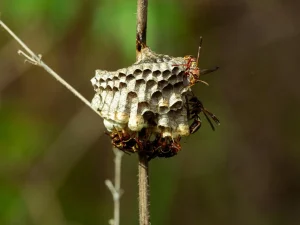
Identifying the location of a wasp nest is an important step in assessing the potential risk it may pose. Wasps often choose sheltered areas in the yard where their nests are protected from weather and disturbance. Common nesting spots include tree branches, dense bushes or shrubs, roof overhangs, garden sheds, fence posts, and even underground holes. These locations provide protection for the colony while allowing wasps easy access to food sources nearby.
Some nests are clearly visible, such as those hanging from tree branches or attached to the underside of structures. Others may be more difficult to detect because they are hidden inside walls, roof spaces, or underground cavities. In these cases, homeowners may only notice increased wasp activity in a particular area without immediately seeing the nest itself. Determining the exact nest location helps evaluate how serious the situation may be and whether professional backyard wasp nest removal is the safest option.
Before taking action, it is helpful to observe the nest safely from a distance. This allows you to understand how active the nest is and how many wasps may be present. Watch the movement of the wasps to see how frequently they enter and exit the nest. Heavy activity often indicates a larger colony. However, avoid staying near the nest for too long. Observations should always be done from a safe distance. Monitoring activity can help you decide whether professional backyard wasp nest removal is necessary.
Attempting to knock down a wasp nest is highly dangerous because wasps are very protective of their nests and will quickly swarm to defend them if they feel threatened. Actions such as hitting the nest with a stick or spraying it with water can provoke an aggressive response, causing many wasps to attack at once. Without proper protective clothing, specialized equipment, and knowledge of how wasps behave, homeowners risk receiving multiple painful stings, which can be particularly dangerous for individuals who are allergic.
Additionally, disturbing the nest without removing it properly may only aggravate the colony and fail to solve the problem, allowing the wasps to rebuild or remain active in the area. For these reasons, safe backyard wasp nest removal requires careful planning and professional techniques to manage the situation effectively and reduce the risk of injury.
Many store bought sprays claim to eliminate wasp nests quickly. While some products may reduce activity temporarily, they do not always remove the entire colony. Using chemical sprays incorrectly may also cause wasps to become more aggressive. Additionally, some treatments may pose risks if used near children, pets, or food preparation areas. DIY treatments may also fail if the nest is hidden inside walls, underground, or in difficult to reach locations. Because of these risks, professional backyard wasp nest removal is often the safest solution.
If a wasp nest cannot be removed right away, it is important to take precautions to keep the surrounding area safe and reduce the chance of disturbing the colony. Wasps can become aggressive when they feel their nest is threatened, so minimizing activity near the nest helps prevent defensive swarming. Homeowners should avoid the area where the nest is located, inform family members and nearby neighbours about its presence, keep pets away from the location, and avoid using loud yard equipment or tools close to the nest. These precautions reduce the risk of accidental disturbances that could provoke wasps and lead to stings. Maintaining these safety measures helps protect people and pets until proper backyard wasp nest removal can be carried out safely.
Professional wasp nest removal involves a careful process designed to eliminate the colony while minimizing risk to people and property. Pest control technicians begin by inspecting the area to locate the nest and evaluate the level of wasp activity. Identifying the species is an important step because different types of wasps may require different treatment methods. Once the nest has been assessed, technicians use specialized equipment and protective gear to approach the area safely and apply targeted treatments directly to the colony.
After treatment is applied, the nest is either safely removed or neutralized depending on its location and structure. This method helps eliminate the entire colony rather than only reducing the number of visible wasps around the property. By addressing the nest directly, professional services can prevent the colony from continuing to grow or reestablish itself nearby. Professional backyard wasp nest removal is designed to manage the problem efficiently while reducing the risk of stings and minimizing disruption to the surrounding environment. You can learn more about our solutions by visiting our pest control services.
Preventing wasps from returning after a nest has been removed involves reducing the conditions that attract them and limiting potential nesting locations around the property. Wasps often look for sheltered areas and easy food sources when establishing new colonies, so taking preventive steps can discourage them from rebuilding nearby. Homeowners can help prevent future nesting by sealing gaps and openings around outdoor structures, keeping garbage bins covered, cleaning outdoor eating areas to remove food residue, and regularly inspecting trees, roof edges, and other sheltered spots where nests might begin forming. Early detection is especially important because wasp nests start small and can grow rapidly during the warmer months. By maintaining regular inspections and good outdoor maintenance practices, homeowners can reduce the likelihood of future problems that may require backyard wasp nest removal.
Different regions experience different levels of wasp activity. Local pest control professionals understand where wasps commonly build nests and how to remove them safely. At TAG Pest Control, we provide reliable Langley pest control services designed to protect homes and outdoor spaces from stinging insects. Our experienced technicians respond quickly to wasp problems and ensure nests are handled safely.
Homeowners should consider contacting pest control professionals when a wasp nest is located close to areas where people regularly spend time, such as patios, doorways, gardens, or garages. Certain situations increase the potential risk and make professional assistance the safer option. For example, if the nest is large or growing quickly, if the wasps are showing aggressive behaviour, or if the nest is located in a hard to reach place such as a roofline, wall cavity, or high tree branch, removing it without proper equipment can be dangerous.
Professional help is also strongly recommended when someone in the household has a known allergy to wasp stings, as multiple stings can pose serious health risks. Pest control technicians have the training, protective gear, and specialized treatments needed to handle these situations safely and effectively. If you find a nest on your property, it is best to act quickly. Our team is ready to help with safe and reliable solutions. You can reach us through our contact page to schedule an inspection.
Finding a wasp nest in your yard can be alarming, but taking the right steps can help protect your family and prevent dangerous situations. Safe backyard wasp nest removal begins with staying calm, avoiding the nest, and understanding the risks involved. While small nests may appear manageable, wasp colonies grow quickly and become more defensive over time.
Professional pest control services ensure that nests are removed safely and completely. At TAG Pest Control, we are committed to helping homeowners maintain safe outdoor spaces with reliable pest management solutions. If you discover a wasp nest in your backyard, our experienced team is ready to provide the expert support needed to restore comfort and safety to your property.