Signs You Need Professional Pest Control in Your Langley Home
January 19, 2026
At TAG Pest Control, we often speak with homeowners who wonder if their pest problem is serious enough to call…
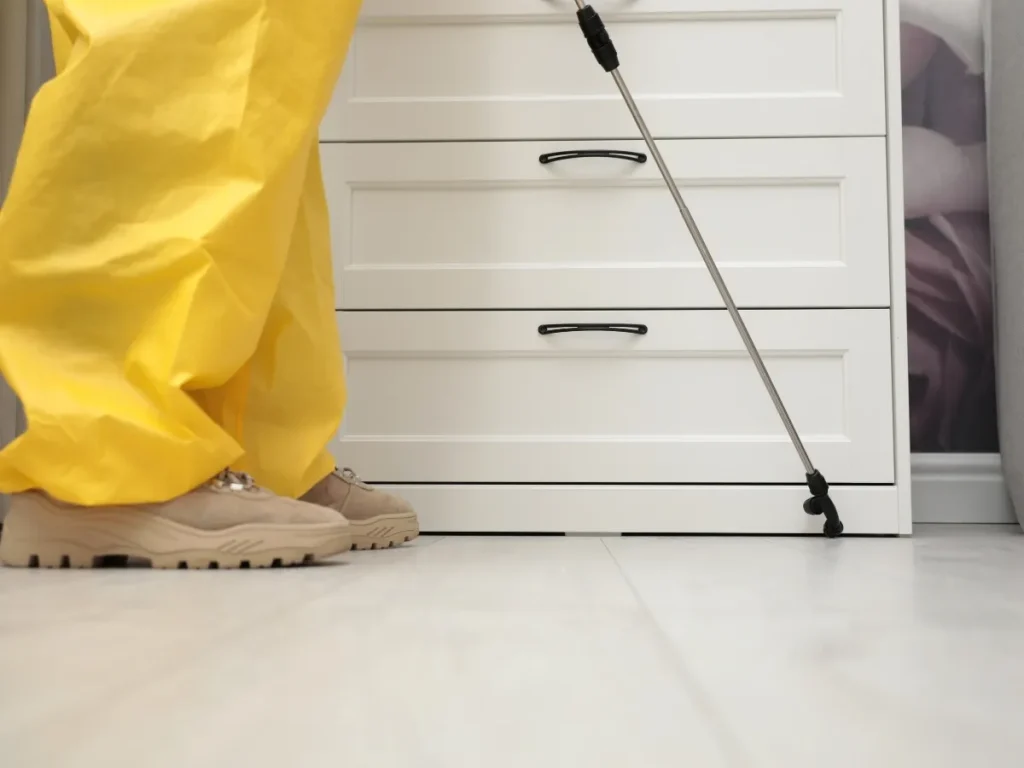
DIY pest control methods often focus on short term results rather than addressing the root cause of an infestation. Store bought sprays and traps may kill visible pests, but they rarely eliminate the entire colony or nesting area. As a result, pests often return after a short period of time. In some cases, improper use of these products can even make the problem worse by scattering pests or causing them to relocate to harder to reach areas. Without a clear understanding of pest behavior, it can be difficult for homeowners to fully resolve the issue on their own.
Safety is another important concern when using DIY pest control products. Many over the counter treatments contain chemicals that can be harmful if used incorrectly. Improper application may expose children, pets, or household surfaces to unnecessary risks. In addition, handling pests such as wasps or rodents without proper training can lead to bites, stings, or other hazards. Professional pest control services are trained to use safe pest control methods that minimize risk while effectively treating the problem. They follow established guidelines to ensure treatments are applied correctly and responsibly.
Professional pest control also provides a more thorough and long term solution. Trained technicians are able to identify the specific type of pest, locate hidden nesting areas, and understand the conditions that allowed the infestation to develop. This allows them to create targeted treatment plans that not only remove existing pests but also prevent future problems. By combining safe products with expert knowledge, professionals deliver more reliable and lasting results. At TAG Pest Control, we focus on protecting homes through safe pest control methods that address both immediate concerns and long term prevention.
Safe pest control methods focus on managing pest problems while reducing potential risks to people, pets, and the surrounding environment. Professional pest control companies rely on trained technicians who understand pest behavior, life cycles, and the most appropriate treatment options for each situation. By carefully assessing the type of pest and the conditions that attract it, technicians can develop a plan that addresses the problem effectively without unnecessary disruption to the home.
Rather than using large quantities of chemicals, professionals often apply targeted treatments designed specifically for the pests involved. This approach allows them to treat affected areas precisely while limiting exposure to other parts of the home. In addition, pest control professionals follow established safety guidelines when handling and applying products, ensuring that treatments are used responsibly and according to regulations. For homeowners, this means pest problems can be managed in a way that prioritizes both effectiveness and safety.
Many DIY pest control products are widely available in stores. While they may seem simple to use, they often come with risks when applied incorrectly. Homeowners may not always read instructions carefully or understand how products interact with different surfaces and environments. This can lead to overuse or improper placement. Some potential risks of DIY pest control include:
Professional pest control is often more effective because it is based on a detailed understanding of pest behavior, biology, and hiding patterns. Trained technicians know where different pests are likely to nest, how they enter a property, and what conditions allow them to thrive. This knowledge allows them to conduct thorough inspections and identify problems that may not be visible to homeowners. Instead of relying on surface-level treatments, professionals use targeted approaches that are designed to address the specific type of pest and the extent of the infestation.
Another key advantage of professional pest control is its focus on long-term solutions rather than temporary relief. Technicians work to locate and eliminate the source of the infestation, including nests, breeding sites, and entry points that allow pests to re-enter the home. In addition, professional services often include follow-up monitoring to ensure that pest activity has been fully resolved. By addressing the root causes and implementing preventive measures, professional pest control helps reduce the likelihood of recurring infestations and provides more reliable, lasting results.
Accurate pest identification is one of the most important steps in effective pest control, yet it is often difficult for homeowners to do on their own. Many pests appear similar at first glance, but their behaviors, nesting habits, and responses to treatment can vary significantly. For example, different ant species may require entirely different control strategies, and using the wrong approach may only eliminate a small portion of the colony while leaving the rest unaffected. Misidentification can lead to wasted time, ineffective treatments, and recurring infestations that are not properly addressed.
Professional pest control technicians are trained to recognize the specific characteristics of different pest species and understand how they behave in various environments. This expertise allows them to select treatment methods that are both effective and appropriate for the situation. Proper identification ensures that the root of the infestation is targeted rather than just the visible symptoms. By choosing the correct strategy from the start, professionals can achieve more reliable results and support long-term pest management, reducing the likelihood of pests returning in the future.
Pest control products must be used carefully to avoid health risks. Professionals receive training on proper handling, storage, and application of these products. They also understand how to apply treatments in targeted areas where pests are active. This reduces unnecessary exposure inside the home. Safe pest control methods also involve selecting products that are appropriate for the environment. Some treatments are designed specifically for indoor use, while others are meant for outdoor applications. By using the correct products in the right locations, professionals maintain a higher level of safety.
Protecting children and pets is an important consideration when dealing with pest control treatments. Many over-the-counter products can pose risks if they are applied incorrectly or placed in areas that are easily accessible. Children and animals are naturally more curious and may come into contact with treated surfaces, increasing the chance of unintended exposure. Because of this, using pest control methods without proper knowledge can sometimes create additional safety concerns within the home.
Professional pest control technicians take these risks into account before applying any treatment. They assess the layout of the home and choose application methods and locations that reduce the likelihood of contact with household members and pets. In addition, they often provide clear instructions on any precautions that should be followed, such as avoiding certain areas for a specific period of time. By prioritizing safe application practices and offering guidance, professional pest control services help ensure that treatments are both effective and safe for everyone in the home.
DIY pest control often focuses only on visible pests. For example, homeowners may spray ants on the kitchen counter without addressing the nest. This approach may eliminate a few insects but does not solve the underlying problem. As a result, pests return quickly. Professional pest control services investigate the conditions that attract pests. These conditions may include moisture issues, food sources, or structural gaps. Once these factors are identified, they can be addressed to prevent future infestations.
Long-term pest prevention focuses on creating conditions that discourage pests from entering and remaining in the home. Rather than relying only on immediate treatments, professional pest control approaches aim to address the underlying factors that attract pests in the first place. This includes sealing cracks and entry points that pests use to access the home, as well as reducing moisture levels that provide water sources for insects and rodents. Improving sanitation practices, such as proper food storage and regular cleaning, also helps eliminate the resources pests need to survive indoors.
Ongoing monitoring is another important part of long-term prevention. By keeping track of pest activity over time, homeowners and professionals can identify patterns and respond quickly to early signs of infestation. These preventative measures work together to create an environment that is less appealing to pests and more difficult for them to inhabit. When homeowners consistently follow these recommendations, they are more likely to experience fewer pest problems and maintain a healthier, more protected living space.
Professional pest control companies use equipment and products that are not typically available to the public. These tools allow technicians to treat pests more precisely and effectively. For example, specialized baits, dusts, and monitoring devices help track pest activity. These tools make it easier to locate hidden nests and eliminate infestations completely.
Professional training also ensures these tools are used safely and correctly. At TAG Pest Control, our technicians use modern techniques designed to deliver reliable results while maintaining safe pest control methods. Homeowners can learn more about our full range of solutions by visiting our pest control services page.
Different regions experience different pest challenges. Local knowledge helps pest control professionals understand which pests are most common in the area. At TAG Pest Control, our team has extensive experience handling pests found in British Columbia. Our Langley pest control services are designed to address the specific pest issues homeowners face in the region. Understanding local pest behaviour allows us to provide faster and more effective treatments.
One of the greatest benefits of professional pest control is peace of mind. Instead of guessing which product to use or where to apply it, homeowners can rely on trained experts. Safe pest control methods provide confidence that the problem is being handled properly. Professional services also reduce the stress that comes with ongoing pest issues. Knowing that experts are managing the situation allows homeowners to focus on enjoying their homes without worrying about pests.
While DIY pest control may seem like a quick solution, it often fails to address the root cause of infestations. Improper product use, incorrect pest identification, and limited treatment methods can make pest problems worse over time. Safe pest control methods used by professionals provide a more reliable and responsible approach. Professional pest control services focus on accurate identification, targeted treatments, and long term prevention.
These strategies help eliminate pests while protecting the health of families, pets, and the environment. At TAG Pest Control, we are committed to providing safe and effective pest management solutions for homeowners. If you are dealing with a pest problem or want to protect your home with professional care, visit our contact page and let our experienced team help you maintain a safe, comfortable, and pest free home.