Signs You Need Professional Pest Control in Your Langley Home
January 19, 2026
At TAG Pest Control, we often speak with homeowners who wonder if their pest problem is serious enough to call…
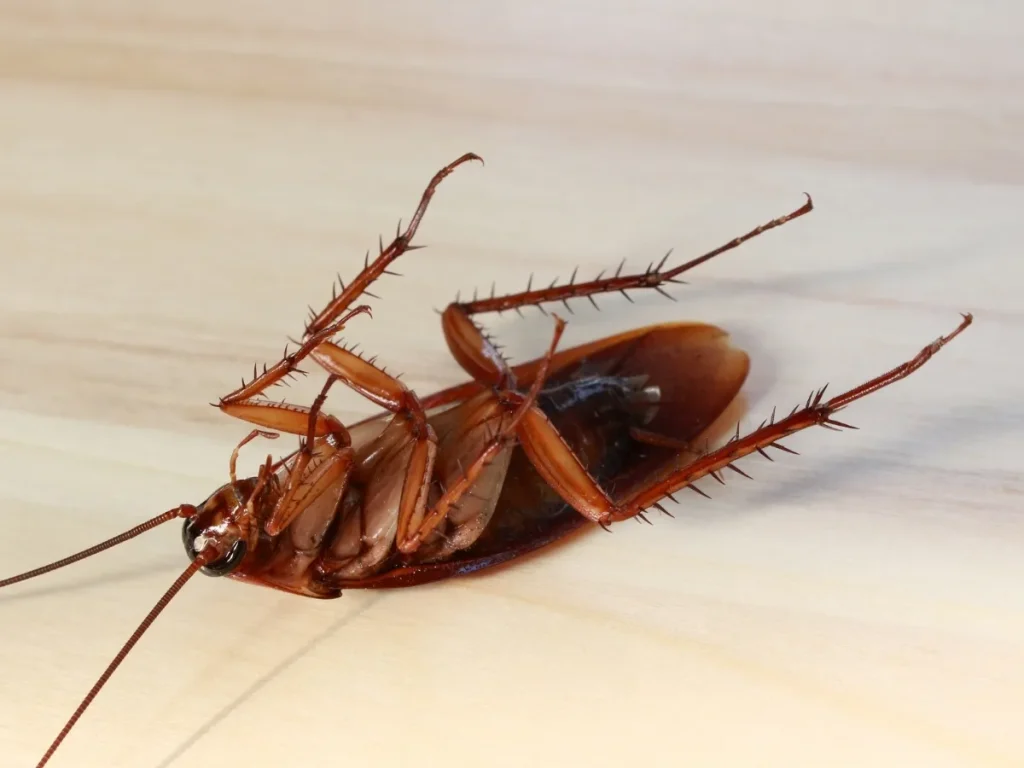
Pest control plays a critical role in helping businesses maintain the cleanliness and safety standards required by health regulations. Insects and rodents can carry bacteria and pathogens that contaminate surfaces, food, and equipment. In environments such as restaurants, warehouses, and food processing facilities, even a small pest presence can lead to serious health concerns. Droppings, urine, and contact with food products can quickly result in violations during inspections. By implementing effective pest control measures, businesses can reduce these risks and maintain a safe environment for both customers and employees.
Regular inspections and preventive treatments are key components of commercial pest control. Professional pest control services monitor for signs of activity, identify potential risk areas, and address issues before they escalate. This includes checking for entry points, moisture problems, and sanitation concerns that may attract pests. Early detection allows businesses to correct these issues and avoid larger infestations that could lead to failed health inspections. Consistent pest management helps ensure that businesses remain compliant with local regulations and avoid costly penalties or disruptions.
In addition to protecting health standards, pest control also safeguards a company’s reputation and daily operations. A visible pest problem can quickly damage customer trust and lead to negative reviews or loss of business. In severe cases, infestations may result in temporary closures while the issue is resolved. By investing in professional pest control services, businesses can prevent these disruptions and maintain a professional image. At TAG Pest Control, we help businesses stay compliant and protected by providing reliable commercial pest control solutions tailored to their specific needs.
Commercial properties are often at risk for pest problems because they regularly provide the basic resources pests need to survive. Businesses such as restaurants, warehouses, retail stores, and office buildings may contain food sources, water access, and sheltered spaces that attract insects and rodents. Even in non-food environments, cluttered storage areas, break rooms, and mechanical spaces can offer hiding spots where pests can settle and remain unnoticed. These conditions make it easier for pests to establish themselves if preventive measures are not in place.
In addition, the daily operations of businesses can increase the likelihood of pest entry. Frequent deliveries, open doors, and shared spaces create multiple access points for pests to enter a building. Once inside, pests may move through different areas and hide in locations that are not regularly inspected. Without proper pest management, a small issue can quickly develop into a larger infestation that may disrupt operations or lead to health concerns. This is why commercial pest control is essential for maintaining a clean, safe environment and helping businesses avoid potential violations or damage.
Pest infestations pose significant health risks because many insects and rodents can carry harmful bacteria and pathogens. When pests move through kitchens, storage areas, or workspaces, they can contaminate surfaces and food with droppings, saliva, or bacteria picked up from unsanitary environments. This contamination can increase the risk of foodborne illnesses and create unsafe conditions for both employees and customers. In addition, some pests, such as cockroaches and rodents, can trigger allergic reactions or asthma symptoms through their shed skin, droppings, and other debris.
Beyond direct health concerns, pest activity can also lead to broader sanitation issues within a property. Infestations in food preparation areas may result in unsanitary conditions that violate health and safety standards. Because of these risks, health inspectors carefully monitor for signs of pest activity during routine inspections. Visible infestations or evidence of pests can lead to warnings, fines, or even temporary closures of a business. Maintaining proper pest control is essential for protecting public health and ensuring compliance with safety regulations.
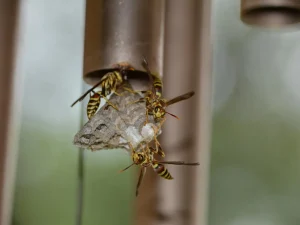
Commercial properties can attract a wide range of pests depending on the type of business and the conditions within the building. Cockroaches, rodents such as mice and rats, ants, flies, stored product pests, and wasps are among the most commonly encountered. These pests are often drawn to environments where food, moisture, and shelter are readily available. For example, cockroaches and rodents frequently appear in kitchens and storage areas, while flies are commonly found near garbage or food preparation spaces. Stored product pests may infest dry goods in warehouses or pantries, and wasps may build nests around exterior structures.
Many of these pests are skilled at hiding in areas that are not regularly inspected. They may settle in spaces where food is stored, waste accumulates, or clutter provides cover. Because of this, infestations can develop without being immediately noticed. Regular inspections play an important role in identifying early signs such as droppings, damage, or pest activity. Detecting these issues early allows businesses to take action before the problem spreads, helping maintain a clean, safe, and compliant environment.
Health inspectors are trained to detect both visible and hidden signs of pest activity during routine inspections. Even when pests are not directly seen, inspectors carefully look for evidence that suggests their presence. This may include droppings, nesting materials, or damaged food packaging that indicates pests have been feeding or moving through storage areas. Inspectors may also check for grease marks or trails along walls and floors, which are often left behind by rodents as they travel the same paths repeatedly. In food preparation areas, any signs of insect activity can raise concerns about sanitation and safety.
In addition to direct evidence of pests, inspectors also evaluate conditions that may attract or support infestations. Poor sanitation, such as food debris, unclean surfaces, or improperly stored waste, can increase the likelihood of pest problems. Moisture issues, including leaks or standing water, are also closely examined because they provide essential resources for many pests. If these warning signs are found, businesses may face warnings, fines, or other penalties. Implementing effective commercial pest control measures helps reduce these risks and ensures that the business remains in compliance with health and safety standards.
The goal of commercial pest control is not only to remove pests but also to prevent them from returning. Professional pest management programs focus on identifying risk factors and addressing them before infestations develop. Pest control professionals inspect buildings for entry points, moisture issues, and sanitation concerns. By correcting these problems early, businesses can reduce the chances of pest activity. Regular monitoring is another important part of prevention. Scheduled inspections help detect pests early so they can be addressed quickly.
A strong pest management plan includes several important components. These steps work together to protect businesses from health violations and maintain safe working environments.
Regular inspections are essential for identifying early signs of pest activity. Pest control technicians examine kitchens, storage areas, waste disposal zones, and building exteriors. These inspections help locate conditions that attract pests and allow businesses to correct problems quickly.
Monitoring tools such as traps and detection devices are often placed in key areas. These tools help track pest activity and provide early warnings if pests begin to appear. By monitoring these devices regularly, technicians can determine whether additional treatment is needed.
If pests are found, targeted treatments are applied to eliminate them. Professional products and techniques are used to ensure the treatment is effective while minimizing disruption to business operations. These treatments are designed to address the specific pests present and prevent them from spreading.
Pest control technicians often provide guidance on improving sanitation and maintenance practices. Simple changes such as proper food storage and waste management can greatly reduce pest attraction. These recommendations are an important part of long term commercial pest control.
Certain industries rely more heavily on pest control because their daily operations create environments that can easily attract pests. Businesses that handle food, such as restaurants, grocery stores, and food warehouses, are especially vulnerable because they provide consistent access to food sources and moisture. Without proper pest management, infestations in these settings can lead to contamination, product loss, and serious health risks. Hotels and hospitality properties also require strict pest control measures, as guest comfort and cleanliness directly impact reputation and customer satisfaction.
Healthcare facilities, office buildings, and retail spaces also benefit significantly from regular pest management. In healthcare settings, maintaining a clean and sanitary environment is essential for patient safety and regulatory compliance. Office buildings and retail stores, while not always dealing directly with food, still need to prevent pest issues that could disrupt operations or create an unpleasant experience for employees and customers. Across all of these industries, routine pest control helps maintain hygiene standards, supports compliance with health regulations, and protects both business operations and public trust.
Health violations caused by pests can lead to serious financial consequences. Businesses may face fines, lost revenue, or negative publicity that damages their reputation. Customers are less likely to return to a business where pests have been seen. Online reviews and word of mouth can spread quickly and impact future sales. Commercial pest control helps protect businesses from these risks by maintaining a safe and professional environment.
While some businesses attempt to manage pests on their own, professional pest control provides a more reliable solution. Experts understand pest behaviour and know how to locate hidden infestations. At TAG Pest Control, we provide customized pest management programs designed to meet the needs of commercial properties.
Our technicians carefully inspect buildings, identify risk factors, and apply treatments that protect businesses from pest related health violations. Businesses can learn more about our full range of pest control services designed to address both residential and commercial pest problems. Companies operating locally can also benefit from our dedicated Langley pest control solutions tailored to regional pest challenges.
Maintaining a pest free environment is essential for protecting customers, employees, and your business reputation. Pests can quickly lead to health violations if they are not addressed properly. Implementing a strong commercial pest control program helps prevent infestations and supports compliance with health regulations. Regular inspections, monitoring, and professional treatments provide businesses with the protection they need to operate safely.
By taking proactive steps, companies can avoid costly disruptions and maintain the trust of their customers. At TAG Pest Control, we are committed to helping businesses maintain clean and compliant environments through effective pest management. If you want to safeguard your property from pest related health violations, do not hesitate to contact our team and learn how our experts can support your business.