How Langley’s Climate Contributes to Spider and Insect Infestations
January 16, 2026
At TAG Pest Control, we see first-hand how Langley’s climate impacts pest activity throughout the year. Many homeowners are surprised…
Pest prevention during construction begins with careful planning and site management. Construction sites naturally attract pests because they provide exposed materials, moisture, and shelter. Wood, insulation, and debris can become nesting spots, while standing water may draw insects. Keeping the site clean and organized is one of the most effective first steps. Removing waste materials promptly, storing supplies properly, and minimizing moisture buildup can significantly reduce the chances of pests settling in during the building process.
Another key aspect of prevention is addressing potential entry points before the structure is completed. Small gaps, cracks, and openings around the foundation, walls, and roofing can become easy access points for pests if left unsealed. Installing proper barriers, sealing joints, and using pest-resistant materials where possible can help block entry from the start. Pre-construction treatments, such as soil treatments for termites, are also highly effective in creating a protective barrier that lasts well beyond the construction phase.
Ongoing inspections throughout the construction process are essential to ensure that preventive measures remain effective. Builders and homeowners should regularly check for early signs of pest activity and address any issues immediately. Taking a proactive approach during construction not only protects the structure but also reduces the need for extensive pest control in the future. At TAG Pest Control, we work with both builders and homeowners to implement practical solutions that keep new homes pest-free from the very beginning.
Construction sites often attract pests because they provide easy access to shelter, food, and nesting materials. Open structures, scattered debris, and exposed building materials create an environment where pests can thrive without much disturbance. Materials such as wood, insulation, and cardboard can be used by rodents for nesting, while leftover food waste or organic debris can further draw them in. In addition, damp areas caused by weather exposure or poor drainage can attract insects, making construction zones especially appealing to a wide range of pests.
Another key factor is that construction activity can disrupt existing habitats, forcing pests to relocate. As nearby soil is disturbed and vegetation is cleared, rodents and insects may move toward the construction site in search of new shelter. Since the building is not yet sealed, pests can easily enter and settle into hidden spaces such as walls or foundations before the structure is completed. This makes early pest prevention during construction essential, as it helps stop infestations from developing and reduces the risk of long-term pest problems once the building is finished.
Effective pest prevention during construction begins with careful planning before any building work starts. By considering pest risks early, builders can put measures in place that reduce the likelihood of infestations throughout the entire project. This includes evaluating the site for existing pest activity, as untreated issues can worsen once construction disturbs the area. Addressing these problems at the outset helps prevent pests from spreading or relocating into newly built structures.
Preparing the land is another essential step in minimizing pest attraction. Clearing away debris, overgrown vegetation, and standing water removes common food sources and breeding grounds for pests. A clean, well-maintained site offers fewer places for pests to hide or nest, making it less appealing from the start. Taking these proactive steps not only supports a smoother construction process but also contributes to a more durable, pest-resistant finished property.
Building materials can attract pests if they are not stored properly. Materials such as wood, insulation, and cardboard provide shelter and nesting opportunities. Protecting these materials is an important part of pest prevention during construction. Store materials off the ground whenever possible. Elevating them reduces contact with soil and moisture, which can attract pests. Covering materials with protective sheets can also help prevent exposure. Keeping materials organized and secure makes it easier to monitor for signs of pest activity during construction.
Construction sites often produce waste such as wood scraps, packaging, and leftover materials. If this debris is not removed regularly, it can attract pests. Managing waste is a key part of pest prevention during construction. Dispose of construction debris frequently to prevent buildup. Keeping the site clean reduces hiding places for insects and rodents. Garbage containers should be sealed and emptied regularly. Proper waste management helps prevent pests from gathering around the construction area.
Controlling moisture and ensuring proper drainage are critical steps in preventing pest problems during construction. Excess moisture from standing water, damp soil, or leaking pipes creates ideal conditions for pests such as termites, mosquitoes, and rodents. These environments not only attract pests but can also support their breeding and nesting, allowing populations to grow quickly if left unmanaged. Addressing moisture issues early helps reduce these risks and supports a cleaner, more controlled construction site.
Proper drainage should be established so that water flows away from the foundation rather than pooling around it. Regular inspections for leaks or water buildup are also important, as even small issues can become major attractants over time. Keeping the site as dry as possible not only discourages pest activity but also protects building materials from moisture-related damage such as mold or rot. Maintaining these conditions throughout construction contributes to a stronger, more durable, and pest-resistant structure.
Sealing entry points during construction is a vital component of effective pest prevention. As the structure of a building begins to take shape, gaps around pipes, vents, and other openings become potential access points for insects and rodents. If left unaddressed, pests can move into walls, ceilings, and hidden spaces, creating long-term problems that are difficult and costly to resolve once construction is complete.
Taking action early allows builders to close these vulnerabilities efficiently. Installing screens on vents, sealing cracks in foundations, and carefully closing gaps around structural openings can significantly reduce the risk of pest entry. Performing these measures during construction is far easier and more effective than retrofitting solutions later, ensuring that the finished property is more secure and resistant to infestations from the outset.
Conducting a thorough inspection of the structure before construction is completed is essential for effective pest prevention. This step allows builders and property owners to identify early signs of pest activity, ensuring that any issues are resolved before the building is fully enclosed. Areas such as basements, attics, and wall cavities are particularly vulnerable, as pests can easily hide in these spaces during construction.
During the inspection, look for droppings, nesting materials, or damage to building materials that could indicate the presence of pests. Any problems discovered should be addressed immediately, as sealing the structure with pests inside can lead to long-term infestations that are difficult and costly to eliminate. By performing a final inspection before completion, you can ensure a cleaner, safer, and more pest-resistant property from the start.
The environment around the home also plays a role in pest prevention. Landscaping and yard conditions can influence pest activity near the property. Maintaining the area supports long term pest prevention during construction. Remove debris, wood piles, and excess vegetation near the building site. Trim plants and trees that may provide access to the structure. Proper landscaping helps reduce the chances of pests approaching the home after construction is complete.
Monitoring for early signs of pest activity during construction is crucial, even when preventive measures are in place. Construction sites can still attract insects and rodents, and catching infestations early allows for quick intervention before pests become established. Consistent observation helps maintain a clean, controlled environment and reduces the risk of costly remediation later.
Key indicators to watch for include droppings near building materials or walls, chewed wood or insulation, increased insect activity, unusual odors in enclosed areas, and nesting materials around the site. Identifying these signs promptly enables construction teams to address problems immediately, preventing pests from spreading or causing damage. Early detection during construction ensures that the property remains pest-resistant and reduces the likelihood of issues after the building is completed.
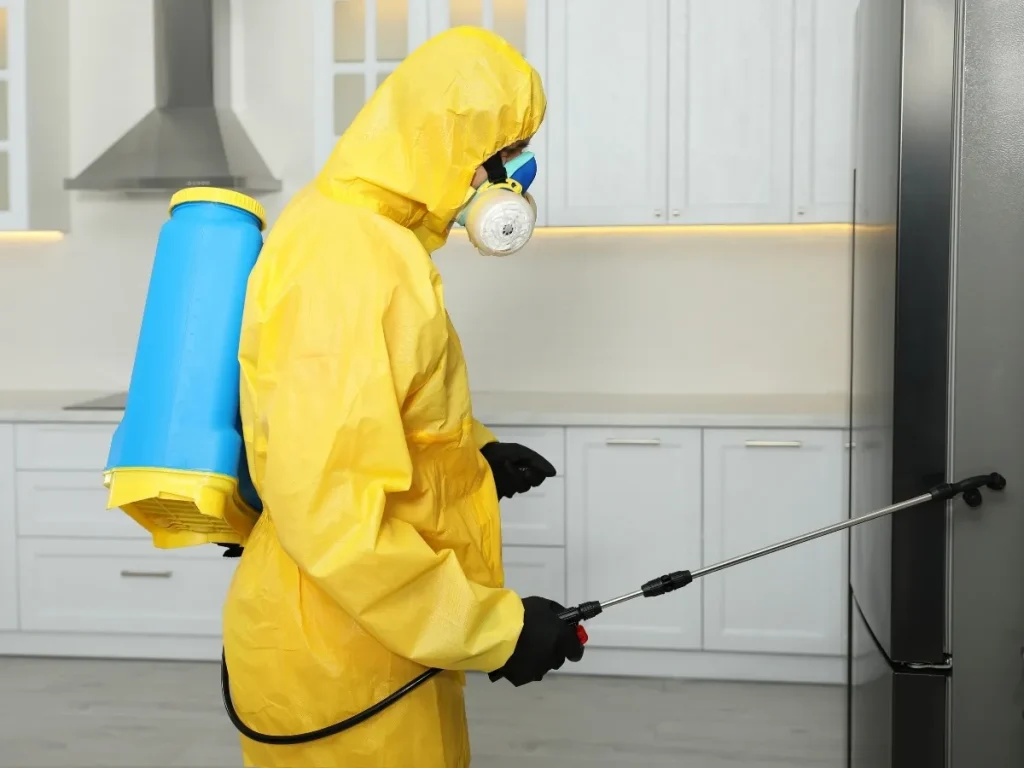
Working with pest control professionals during construction can provide added protection. Experts can identify risks that may not be obvious and recommend solutions to prevent infestations. At TAG Pest Control, we offer services designed to support pest prevention during construction. Our experienced technicians inspect building sites, identify potential pest risks, and provide treatments that protect the structure. You can learn more about our trusted pest control services and how we help homeowners build pest free homes.
Construction projects in Langley may face pest challenges due to local environmental conditions. Rodents and insects often move toward new structures during building phases. Our team understands the pest risks associated with construction in this region. We provide targeted solutions that help prevent infestations during and after building. If you are planning a construction project, our Langley pest control specialists are ready to assist with professional pest prevention services.
Taking steps toward pest prevention during construction helps ensure your home remains protected long after the project is complete. Planning ahead, managing materials, controlling moisture, and sealing entry points all play a role in preventing infestations. While these measures are effective, professional pest control can provide additional peace of mind. Experts can identify hidden risks and apply solutions that keep pests away from your new home.
If you want to protect your investment from pest problems, starting early is the best approach. Our team is ready to help you build a safe and pest free home. You can easily contact our team to schedule a consultation. At TAG Pest Control, we are committed to helping homeowners prevent pest issues before they begin, providing reliable solutions that protect your home from the ground up.