The Importance of Pest Monitoring Systems
July 7, 2026
Pest monitoring systems play a crucial role in shifting pest control from a reactive process to a proactive one. Instead…
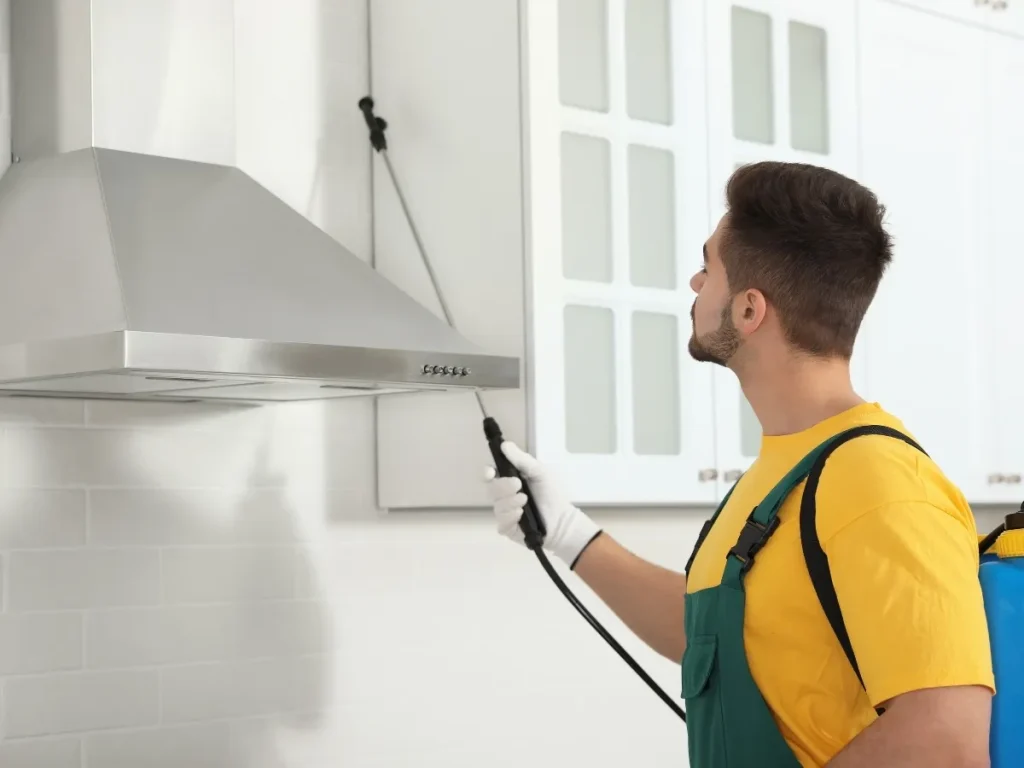
Some homes are more vulnerable to pests due to structural conditions that make entry easier. Small cracks in foundations, gaps around doors and windows, damaged roofing, and openings around utility lines can all serve as access points. Older homes, in particular, may have worn materials or unnoticed damage that allows pests to enter and nest undisturbed. Without proper sealing and maintenance, these small vulnerabilities can quickly turn into major entryways for insects and rodents.
Environmental factors around the home also play a significant role. Properties with dense landscaping, standing water, or nearby food sources naturally attract pests. Overgrown shrubs, tree branches touching the house, and woodpiles placed too close to the structure create ideal shelter and pathways. In addition, moisture issues such as poor drainage or leaks can draw pests like termites, mosquitoes, and cockroaches. These conditions make it easier for pests to settle in and remain active.
Daily habits and overall home maintenance can further increase or reduce vulnerability. Improper food storage, infrequent cleaning, and unmanaged garbage can provide a steady food supply for pests. Cluttered spaces, both indoors and outdoors, offer hiding spots that allow infestations to grow unnoticed. By improving sanitation, maintaining the property, and addressing structural issues, homeowners can greatly reduce the risk of pest problems and create a less inviting environment for unwanted intruders.
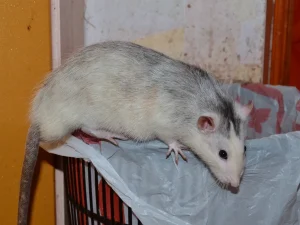
One of the main reasons homes vulnerable to pests experience issues is easy access. Pests only need small openings to get inside, and many homes have unnoticed gaps around doors, windows, and foundations. Rodents can squeeze through holes as small as a coin, while insects can enter through even smaller cracks.
Damaged weather stripping, loose vents, and gaps around utility lines all provide entry points. Regular inspections of your home’s exterior can help identify these problem areas. Sealing openings is a simple but effective way to reduce risk. Blocking entry points is a key step in protecting homes vulnerable to pests from infestations.
Food is one of the biggest attractants for pests. Homes that do not manage waste properly are more likely to experience infestations. Leaving food out, storing items in unsealed containers, or allowing garbage to build up can attract rodents and insects. Even small crumbs can draw pests into your home. Garbage bins should be sealed tightly and emptied regularly. Kitchen areas should be cleaned often to remove food residue. Improving these habits helps reduce the chances of homes vulnerable to pests becoming a target for infestations.
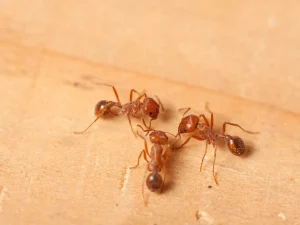
Pests are drawn to moisture, which makes damp homes more vulnerable. Leaks, poor drainage, and high humidity create ideal conditions for pests to thrive. Basements, crawl spaces, and bathrooms are common areas where moisture problems occur. Standing water and condensation can attract insects such as cockroaches and ants. Fixing leaks and improving ventilation can make a big difference. Keeping your home dry reduces its appeal to pests. Managing moisture is an important part of protecting homes vulnerable to pests.
Clutter provides perfect hiding spots for pests. Homes with excessive storage or disorganized spaces are more likely to have hidden infestations. Items such as boxes, old furniture, and stored materials create areas where pests can nest and multiply. These spaces are often not cleaned regularly, allowing problems to grow unnoticed. Keeping your home organized and reducing clutter helps limit these hiding spots. Using sealed storage containers can also prevent pests from accessing items. A clean and organized home is less likely to be one of the homes vulnerable to pests.
The outside of your home plays a big role in pest activity. Overgrown plants, debris, and poor yard maintenance can attract pests and bring them closer to your home. Trees and shrubs that touch the house can act as pathways for pests to enter. Piles of leaves, wood, or other materials can provide shelter. Keeping your yard tidy and maintaining proper distance between vegetation and your home can reduce these risks. Good exterior maintenance supports homes vulnerable to pests by limiting access and attraction.
Different seasons bring different pest challenges. Homes vulnerable to pests often experience changes in activity throughout the year. In colder months, rodents look for warm places to stay, which leads them indoors. In warmer months, insects become more active and search for food and water. Being prepared for these seasonal changes helps you stay ahead of potential infestations. Regular maintenance and inspections are key. Understanding seasonal patterns is important for managing homes vulnerable to pests effectively.
Homes that are not inspected regularly are more likely to develop pest problems. Small signs can go unnoticed and grow into larger issues over time. Routine checks allow you to spot early warning signs such as droppings, damage, or unusual odours. Addressing these quickly can prevent infestations. Working with professionals ensures thorough inspections. Our pest control services are designed to help homeowners stay protected year round. Regular inspections are essential for reducing the risks associated with homes vulnerable to pests.
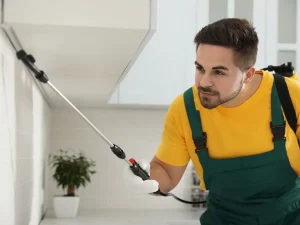
Some homeowners attempt to handle pest problems on their own. While this may work for minor issues, it often does not address the root cause. Temporary solutions can allow pests to return, leading to ongoing frustration. Without proper treatment, infestations may continue to grow. Professional services provide more reliable and long lasting results. If you are in the area, our Langley pest control experts can help you address the problem effectively. Choosing the right approach is key for homes vulnerable to pests.
Building strong prevention habits is essential for keeping pests out and maintaining a safe, healthy home environment. Consistent actions such as regular cleaning, sealing entry points, and addressing maintenance issues help eliminate the conditions that attract pests in the first place. Small efforts, like wiping down surfaces, storing food properly, and fixing leaks, can significantly reduce the availability of food, water, and shelter that pests rely on to survive.
Staying alert and responding quickly to any signs of pest activity further strengthens these preventive efforts. Early action can stop minor issues from developing into larger infestations that are more difficult to manage. Over time, maintaining these habits creates a proactive routine that protects your home and reduces long-term risks. Consistency is key, as ongoing attention ensures that your living space remains clean, secure, and less inviting to pests.
Many factors can make homes vulnerable to pests, but most of them can be controlled with the right steps. From sealing entry points to maintaining cleanliness, every action helps reduce risk. Understanding what attracts pests allows you to take proactive measures and protect your property. Homes vulnerable to pests can become well protected with consistent care and attention. At TAG Pest Control, we are committed to helping homeowners create safer and pest free environments. When you are ready to take control of your pest concerns, reach out through our contact page and let our team provide the expert support you need to keep your home protected.