The Most Common Places Pests Hide in Homes
July 10, 2026
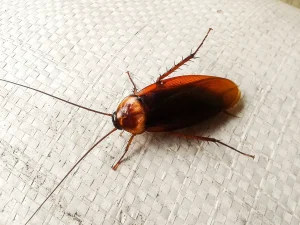
Pests tend to settle in areas that provide easy access to food, moisture, and shelter while remaining undisturbed. Kitchens are…
Pest control is a fundamental part of effective property management because it helps protect both the physical property and the people living or working within it. In multi-unit buildings, pests can easily travel through walls, plumbing systems, and shared spaces, turning a small issue into a widespread problem. Regular inspections and preventive treatments allow property managers to detect early signs of activity and address them before they escalate, preserving the condition and value of the property.
In addition to protecting the structure, pest control plays a key role in tenant satisfaction and retention. Infestations can lead to discomfort, health concerns, and repeated complaints, all of which can damage a property’s reputation. Tenants expect clean, safe living or working environments, and failure to manage pest issues promptly can result in negative reviews or even vacancies. A consistent pest control plan demonstrates professionalism and shows tenants that their well-being is a priority.
Finally, proactive pest management helps property managers stay compliant with health and safety regulations while avoiding costly consequences. Severe infestations can lead to fines, legal disputes, or expensive repairs if not handled properly. Working with a professional pest control provider ensures that treatments are effective, documented, and aligned with industry standards. By integrating pest control into regular property management practices, managers can reduce risks, maintain high standards, and ensure long-term success for their properties.
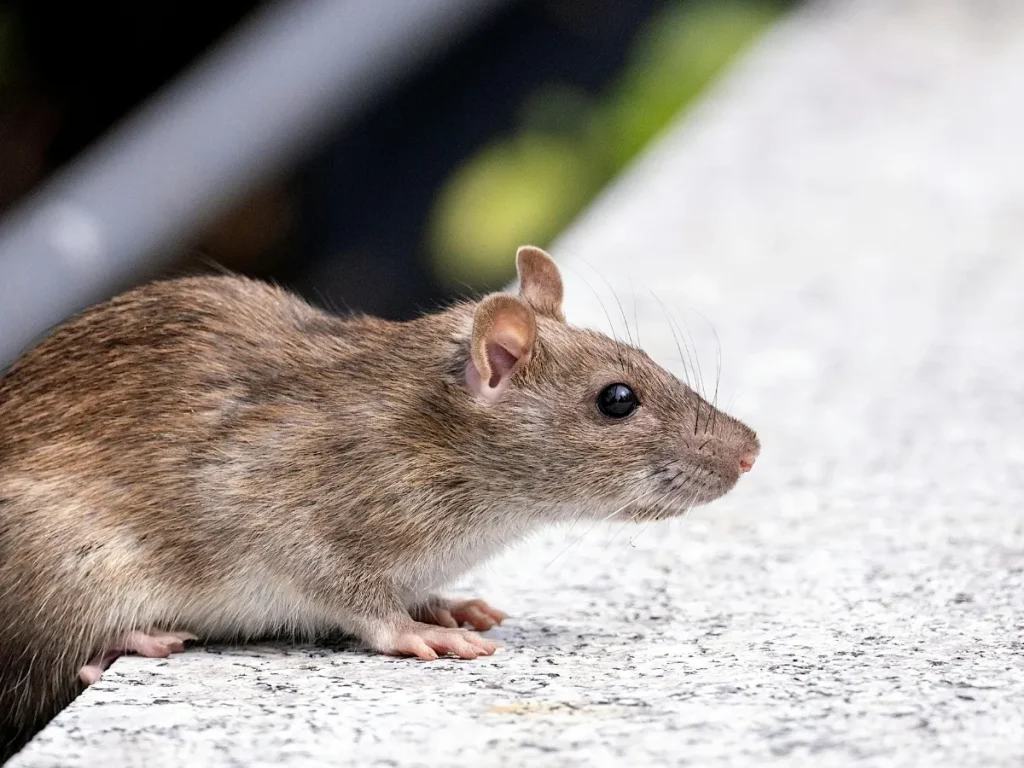
Pest control is a critical aspect of property management because it directly impacts the safety, hygiene, and overall condition of a building. Pests such as rodents, insects, and birds can cause structural damage, contaminate living areas, and introduce health risks for tenants. These problems not only lead to expensive repairs but can also result in complaints, negative reviews, and potential legal concerns. Maintaining a pest-free environment is essential for preserving both the physical property and its reputation.
A proactive approach to pest management is far more effective than reacting to visible infestations. Regular inspections, preventive treatments, and prompt responses to early signs of activity help keep issues under control before they escalate. By prioritizing consistent pest control measures, property managers can provide a safer and more comfortable living experience for tenants while protecting the long-term value and appeal of their investment.
Managing pest control in multi-unit properties presents unique challenges due to the shared nature of the environment and the variety of tenant behaviors. Pests can easily travel between units through interconnected systems such as walls, plumbing, and ventilation, making it difficult to isolate and eliminate infestations within a single space. Even if one unit is treated, pests may persist in neighboring areas and return, which is why a coordinated, property-wide approach is often necessary for effective control.
Additional challenges arise from high tenant turnover and differing cleanliness standards among residents. Frequent move-ins and move-outs can introduce new pest issues or disrupt ongoing control efforts, while inconsistent sanitation practices can create conditions that attract pests in certain units. These factors make it essential for property managers to implement clear policies, regular inspections, and routine maintenance. A consistent and organized strategy helps reduce risks, maintain a healthy living environment, and ensure that pest problems are addressed promptly and effectively.
Preventative pest control strategies are essential for maintaining a healthy and well-managed property. By focusing on prevention rather than reaction, property managers can significantly reduce the risk of infestations and avoid costly disruptions. Regular inspections play a central role in this approach, as they allow for early identification of pest activity before it spreads. Monitoring both common areas and individual units ensures that even minor signs, such as droppings or entry points, are addressed promptly. Encouraging maintenance staff to report issues immediately further strengthens this early detection system.
Sealing entry points is another critical component of an effective prevention plan. Pests can enter through even the smallest gaps, making it important to regularly inspect and secure vulnerable areas such as doors, windows, foundations, and openings around pipes or vents. Proper sealing not only blocks access but also reduces the likelihood of recurring problems. This step, combined with routine maintenance, creates a strong barrier that helps keep pests from entering the property in the first place.
Maintaining clean and well-managed common areas is equally important in preventing pest activity. Spaces like hallways, laundry rooms, and garbage disposal areas can quickly become hotspots if cleanliness is not consistently enforced. Establishing regular cleaning schedules and clear guidelines for tenants and staff helps eliminate food sources and clutter that attract pests. When combined with inspections and structural maintenance, these sanitation practices create a comprehensive preventative strategy that supports a safe, clean, and pest-free property.
Educating tenants on pest prevention is an essential part of effective property management, as their daily habits directly influence the likelihood of infestations. When tenants understand how their actions impact pest activity, they are more likely to adopt practices that reduce risks. Simple steps such as storing food in sealed containers, disposing of garbage regularly, and maintaining clean living spaces can significantly limit access to food and shelter for pests. Clear communication of these expectations helps create a consistent standard across all units.
Encouraging tenants to report pest sightings immediately is equally important, as early detection allows for faster and more effective intervention. When residents feel informed and involved, they are more likely to cooperate with management efforts and follow preventive guidelines. This shared responsibility creates a more proactive environment, where small issues are addressed before they escalate into larger infestations. In the long run, ongoing education and communication contribute to a healthier, more comfortable living space for everyone in the property.
A structured plan ensures that pest issues are handled consistently and effectively. It also provides clarity for both staff and tenants. Make it easy for tenants to report pest issues. Provide clear instructions on who to contact and what information to include. Regular treatments help prevent infestations before they start. Professional services ensure that treatments are safe and effective. You can explore our full range of solutions through our pest control services. Documenting pest activity helps identify patterns and recurring issues. This information is valuable for improving your prevention strategy.
Even with strong prevention, pest issues may still occur. Quick and effective response is essential to limit the impact. Delays can allow pests to spread to other units. Addressing issues right away helps contain the problem. Keep tenants informed about the steps being taken. Clear communication reduces frustration and builds trust. Some infestations require expert treatment. Professional services ensure that the problem is fully resolved. If you manage properties locally, our Langley pest control team is ready to provide reliable support.
Partnering with a professional pest control provider offers property managers a reliable and effective way to handle pest-related issues. Professionals bring specialized knowledge of pest behavior, allowing them to identify the root causes of infestations and apply targeted treatments rather than temporary fixes. Their experience enables them to address a wide range of pests using proven methods that are both efficient and compliant with safety standards, helping to protect both the property and its occupants.
In addition to resolving current problems, professional services often include ongoing monitoring and preventive measures to reduce the risk of future infestations. This proactive approach ensures that potential issues are detected early and managed before they escalate. By relying on experts, property managers can save time and reduce stress, allowing them to focus on other operational responsibilities while maintaining a clean, safe, and well-managed environment for tenants.
Maintaining effective pest control is essential for protecting both the value and condition of a property. Pest infestations can lead to structural damage, contamination, and ongoing maintenance issues that reduce the overall worth of a building. In contrast, a well-maintained, pest-free property requires fewer repairs and presents a more appealing environment for current and prospective tenants. This not only preserves the physical asset but also supports its long-term financial performance.
A strong reputation for cleanliness and safety plays a major role in attracting and retaining tenants. Properties that are consistently well-managed and free from pest issues are more likely to achieve higher occupancy rates and tenant satisfaction. Over time, this reliability builds trust and enhances the property’s standing in the market. Investing in regular pest control is therefore not just a maintenance task, but a strategic decision that contributes to sustained success and long-term property value.
Achieving long-term success in property management pest control depends on maintaining a consistent and proactive approach. Regular inspections help identify potential issues before they develop into serious infestations, while clear communication ensures that both tenants and staff understand their roles in prevention. Combining these efforts with professional pest control support provides a comprehensive strategy that addresses both immediate concerns and ongoing risks.
By staying ahead of potential problems, property managers can create a healthier and more stable living environment for tenants. Proactive pest management not only reduces the likelihood of recurring infestations but also helps preserve the condition and value of the property. Over time, this consistent effort contributes to tenant satisfaction, fewer disruptions, and a well-maintained property that operates efficiently and successfully.
Understanding the role of property management pest control is essential for maintaining safe, clean, and valuable properties. By focusing on prevention, tenant education, and professional support, property managers can effectively manage pest risks and protect their investments. At TAG Pest Control, we are committed to helping property managers achieve reliable and long lasting results. If you are ready to strengthen your pest control strategy, reach out through our contact page today. Let us help you maintain properties that tenants trust and enjoy year round.