Signs You Need Professional Pest Control in Your Langley Home
January 19, 2026
At TAG Pest Control, we often speak with homeowners who wonder if their pest problem is serious enough to call…
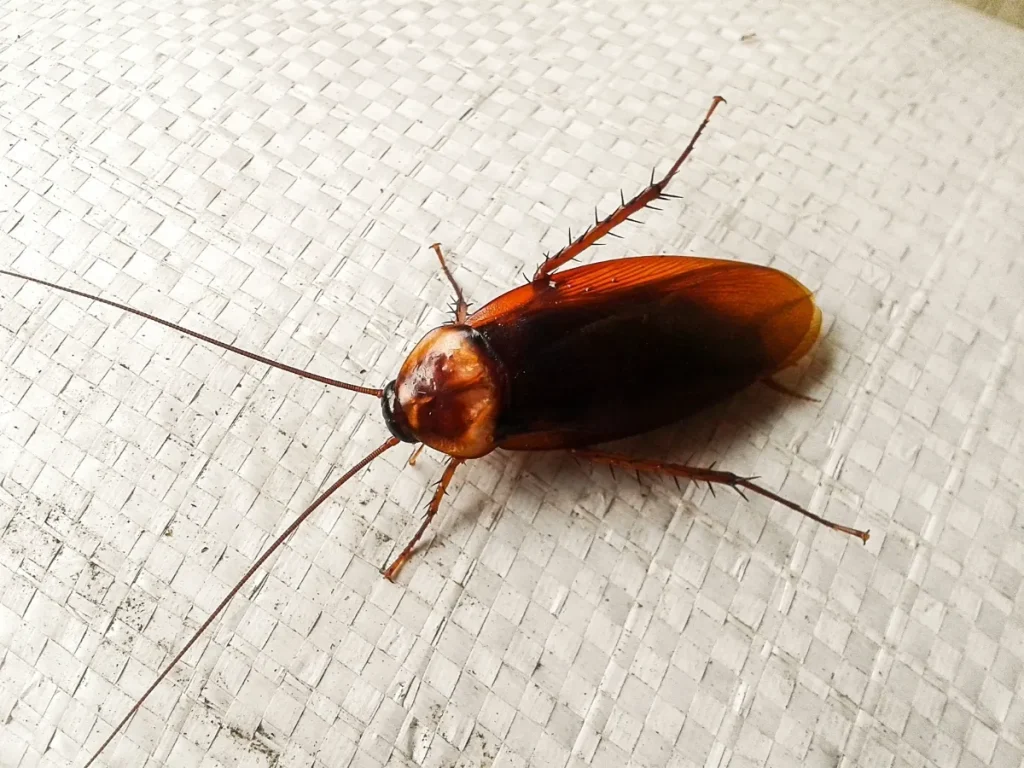
Pests tend to settle in areas that provide easy access to food, moisture, and shelter while remaining undisturbed. Kitchens are one of the most common hiding spots, especially behind appliances, inside cabinets, and under sinks where crumbs and moisture are often present. Bathrooms are also high-risk areas due to humidity and water sources, making them attractive to insects like cockroaches and silverfish. Even small leaks or condensation can create the ideal environment for pests to thrive without being immediately noticed.
Less frequently visited spaces in the home are another major concern. Basements, attics, and crawl spaces offer darkness, warmth, and protection, making them perfect nesting areas for rodents and insects. These areas often contain stored items, insulation, and structural gaps that pests can use for shelter and movement. Because homeowners do not check these spaces regularly, infestations can grow significantly before any visible signs appear in living areas.
Pests also take advantage of hidden entry points and tight spaces throughout the home. Wall voids, gaps around pipes, vents, and electrical wiring allow pests to move freely between rooms while staying out of sight. Closets, storage rooms, and cluttered areas can further provide safe hiding places. Regular inspections, sealing entry points, reducing clutter, and maintaining cleanliness are key steps in limiting these hiding spots and preventing infestations from developing unnoticed.
Knowing where pests hide is essential for early detection and effective control. Many pests prefer dark, quiet, and undisturbed areas such as behind walls, under floors, in attics, or inside cabinets. Because these spaces are not checked regularly, pests can remain unnoticed while they reproduce and expand their presence. By the time visible signs appear, the infestation may already be widespread, making it more difficult and costly to manage. Understanding these hiding spots allows homeowners to be more proactive and address issues before they escalate.
Hidden pest activity can also lead to significant damage and health concerns if left unchecked. Rodents may chew through electrical wiring or insulation, increasing the risk of fire hazards, while insects can contaminate food supplies and damage structural materials. These problems often develop silently, adding to repair costs and potential safety risks. Regularly inspecting common hiding areas and staying alert to subtle signs of activity can greatly reduce the chances of serious infestations. Taking early action not only protects your home but also helps maintain a safe and healthy living environment.
Kitchen areas and food storage spaces are especially vulnerable to pest activity because they provide the essentials pests need to survive, food, water, and shelter. Even small amounts of crumbs, spills, or moisture can attract insects and rodents, encouraging them to settle nearby. Hidden areas such as behind appliances, inside cupboards, and under sinks are particularly appealing because they offer both access to food and protection from disturbance. These spaces are often overlooked during routine cleaning, allowing pests to remain undetected.
Maintaining cleanliness and practicing proper food storage are key to reducing these risks. Storing food in sealed containers, promptly cleaning spills, and regularly checking hard-to-reach areas can make a significant difference. Addressing moisture issues under sinks and keeping pantry spaces organized also helps eliminate the conditions pests rely on. By staying consistent with these habits, you can make your kitchen far less inviting and better protect your home from infestations.
Bathrooms and other moisture-prone areas are highly attractive to pests because they provide a consistent source of water and humidity. Even small leaks or condensation buildup can create the ideal environment for pests like cockroaches, silverfish, and certain insects that thrive in damp conditions. Hidden spots such as under sinks, around pipes, behind toilets, and inside cabinets often go unnoticed, allowing moisture to accumulate and pests to settle in without disruption.
Reducing moisture is key to making these areas less inviting. Fixing leaks promptly, improving ventilation, and keeping surfaces dry can significantly limit pest activity. Regularly checking and cleaning these spaces also helps detect early signs of a problem before it spreads. By managing humidity and maintaining these areas properly, you can create a less hospitable environment for pests and support overall home hygiene.
Basements and crawl spaces are often dark, quiet, and rarely disturbed. These conditions make them perfect hiding places for pests. Rodents, spiders, and insects can easily settle in these areas. Cracks in the foundation or gaps around pipes provide easy entry points. Once inside, pests can move to other parts of the home. Keeping these spaces clean and well sealed is important. Regular inspections can help you spot early signs of activity.
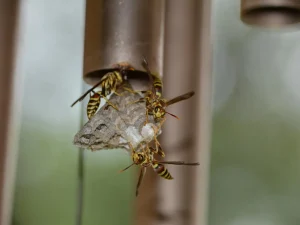
Attics offer warmth and shelter, especially during colder months. Many pests, including rodents and wasps, use these spaces for nesting. Common entry points include roof vents, damaged shingles, and small openings along the roofline. Once inside, pests can remain hidden for long periods. Checking your attic regularly and sealing any gaps can prevent pests from settling in. Proper insulation and ventilation also help reduce the risk.
Inside walls and hidden voids are among the most challenging areas to monitor because they offer pests protection and easy pathways to move throughout a structure unnoticed. These enclosed spaces provide warmth, shelter, and access to other parts of the home, making them ideal for rodents, insects, and other pests to nest and travel. Since activity occurs out of sight, infestations can grow significantly before any obvious signs appear, increasing the risk of widespread damage.
Common indicators of pest activity within walls include scratching or scurrying sounds, unexplained droppings near baseboards, and persistent, unusual odours. These signs should not be ignored, as they often point to an established presence behind the surface. Professional inspections are typically necessary to accurately locate and treat infestations in these hidden areas, using specialized tools and methods. Addressing the issue early helps limit structural damage, reduces health risks, and prevents pests from spreading further into the home.
Garages and storage areas are common hotspots for pest activity because they often contain clutter and are used less frequently than other parts of the home. Items such as boxes, tools, and stored belongings create sheltered spaces where pests can hide, nest, and remain undisturbed. These areas also tend to have more entry points, making it easier for rodents and insects to get inside. Once pests establish themselves in a garage, they can quickly find their way into the main living areas of the home.
Keeping these spaces organized and well-maintained is essential for prevention. Reducing clutter limits hiding spots and makes it easier to spot early signs of pest activity. Storing items in sealed containers and keeping them elevated off the ground can further reduce risk. In addition, sealing gaps around doors, walls, and windows helps block common entry points. With consistent upkeep, garages and storage areas can be far less inviting to pests and better protected as part of your overall home.
Outdoor entry points are one of the most common ways pests gain access to a home, often through openings that may seem minor at first glance. Small gaps around doors and windows, cracks in the foundation, and spaces around utility lines can all serve as easy entryways for insects and rodents. Once inside, pests can quickly find food, water, and shelter, making it much harder to control the problem. Because these access points are often overlooked, they can allow infestations to develop without immediate notice.
Regular exterior inspections and maintenance are key to preventing pests from entering in the first place. Sealing gaps, repairing cracks, and ensuring that doors and windows close properly can significantly reduce the risk. Paying attention to these details creates a strong barrier that keeps pests outside where they belong. By addressing entry points early, you can avoid more serious issues and maintain a more secure and pest-resistant home.
Pest behaviour changes with the seasons, which affects where they choose to hide. Understanding these patterns helps you stay prepared. During colder months, pests look for warm indoor spaces. This means they are more likely to hide in attics, basements, and inside walls. In warmer months, pests are more active and may be found in kitchens, garages, and outdoor areas. Staying aware of these changes allows you to adjust your prevention efforts.
Preventing pests from hiding in your home requires a combination of awareness and consistent action. While understanding common hiding spots is important, eliminating the conditions that attract pests is what truly makes a difference. Keeping your home clean and free of food debris removes a primary food source, making the environment less appealing. At the same time, sealing cracks and gaps around doors, windows, and foundations helps block the entry points pests rely on to get inside. Managing moisture and reducing clutter are equally important in maintaining a pest-resistant home.
Fixing leaks and improving ventilation limits the damp conditions that many pests need to survive, while decluttering storage areas removes potential hiding and nesting spots. When these steps are followed consistently, they create an environment that is far less inviting to pests. Over time, this proactive approach helps protect your home, supports better hygiene, and reduces the likelihood of recurring infestations. Regular maintenance and inspections can make a big difference. If you want expert support, explore our pest control services.
If you suspect pests are hiding in your home, it is important to act quickly. Some infestations are not easy to locate or treat without professional help. At TAG Pest Control, we use proven methods to find and eliminate pests in even the most hidden areas. If you are in the area, our Langley pest control team is ready to assist with reliable and effective solutions.
Professional services ensure that the problem is fully resolved and does not return. Hidden pests can cause damage and create stress if left untreated. By staying proactive and checking common hiding spots, you can reduce the risk of infestations. Maintaining a clean and well sealed home makes it harder for pests to find shelter. Combined with regular inspections, this approach keeps your living space safe and comfortable.
Understanding where pests hide gives you the advantage when it comes to prevention and control. By focusing on common hiding spots and taking proactive steps, you can protect your home from unwanted infestations. At TAG Pest Control, we are here to help you find and eliminate pests before they become a bigger problem. If you are ready to safeguard your home, reach out through our contact page today. Let us help you keep your home clean, safe, and pest free all year round.