The Most Common Places Pests Hide in Homes
July 10, 2026
Pests tend to settle in areas that provide easy access to food, moisture, and shelter while remaining undisturbed. Kitchens are…
Keeping pests out of your outdoor living spaces starts with maintaining cleanliness and removing attractants. Food crumbs, uncovered trash, and standing water can quickly draw insects and rodents into patios and backyard areas. Make it a habit to clean surfaces after meals, store food in sealed containers, and empty garbage bins regularly. It is also important to eliminate sources of standing water, such as clogged gutters, plant saucers, or unused containers, since these can become breeding grounds for mosquitoes and other pests.
Another key step is reducing shelter and hiding spots around your outdoor space. Overgrown plants, woodpiles, and dense landscaping near patios or decks can provide ideal nesting areas for pests. Keeping grass trimmed, bushes well-maintained, and firewood stored away from seating areas can help limit pest activity. In addition, consider using outdoor lighting that is less attractive to insects and sealing gaps or cracks in decks and exterior walls to prevent pests from moving closer to your home.
Finally, taking a proactive approach with regular inspections and preventive treatments can make a significant difference. Checking your outdoor areas for early signs of pest activity allows you to address issues before they become infestations. Professional pest control services can also provide targeted solutions, such as perimeter treatments and eco-friendly options designed for outdoor environments. By combining proper maintenance with preventive measures, you can create a comfortable, pest-free outdoor space that is enjoyable throughout the season.
Outdoor living spaces tend to attract pests because they naturally offer the essentials pests need to survive, including food, water, and shelter. Activities like outdoor dining and entertaining often leave behind crumbs, spills, and food residue that quickly draw insects such as ants, flies, and wasps. In addition, standing water from rain or watering plants can become a breeding ground for pests like mosquitoes. Shaded areas created by furniture, decks, or nearby structures also provide cool, protected spots where pests can rest and hide.
Landscaping elements surrounding patios and decks can further contribute to pest activity by offering additional shelter and nesting areas. Dense plants, overgrown shrubs, and garden features create ideal environments for insects and even small rodents to thrive close to human activity. During warmer months, pest populations increase and become more active, making outdoor spaces especially vulnerable in spring and summer. Understanding these factors allows homeowners to take preventive steps, such as maintaining cleanliness, managing moisture, and trimming vegetation, to keep outdoor areas more comfortable and pest-free.
Cleanliness is one of the most important aspects of patio pest control. Food crumbs, spills, and leftover waste can quickly attract pests to your outdoor space. After meals or gatherings, wipe down tables and seating areas thoroughly. Sweep or rinse the patio to remove crumbs and debris. Even small food particles can attract insects if left behind. Garbage bins near the patio should be sealed and emptied regularly. Keeping the area clean reduces the chances of pests gathering around your outdoor space.
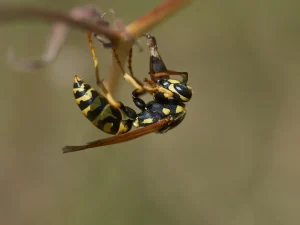
Food and drinks are major attractants for pests such as ants and wasps. Managing these items properly supports effective patio pest control. When serving food outdoors, keep it covered whenever possible. This helps prevent insects from landing on food or drinks. Cleaning up spills quickly also reduces pest attraction. Avoid leaving food or drink containers outside overnight. These items can draw pests into your outdoor area and encourage them to return.
Standing water is a major attractant for pests, particularly insects that depend on moisture to survive and reproduce. Areas with stagnant water can quickly become breeding grounds for mosquitoes and other unwanted pests, increasing their presence around patios and outdoor living spaces. Even small amounts of water collected in everyday items can support pest activity, making it important to stay vigilant and address these sources promptly.
Regularly checking and emptying containers such as flower pots, buckets, and outdoor furniture helps eliminate potential breeding sites. In addition, ensuring proper drainage around your patio prevents water from pooling after rain or watering. Keeping the area dry and well-maintained reduces its appeal to pests and supports a more comfortable outdoor environment. Consistent attention to moisture control is a simple yet effective step in maintaining long-term patio pest prevention.
Plants and landscaping can influence pest activity around your outdoor living space. Overgrown shrubs, tall grass, and dense vegetation can provide shelter for pests. Maintaining your yard supports effective patio pest control. Trim plants and bushes that are close to your patio. This reduces hiding spots and limits access for pests. Keeping grass short also helps reduce insect activity. Removing debris such as leaves or wood piles can further discourage pests from settling near your outdoor area.
Outdoor lighting plays a significant role in attracting insects, particularly during the evening hours when many species are most active. Bright, cool-toned lights tend to draw bugs closer, which can make patios and outdoor seating areas uncomfortable. By adjusting your lighting choices, you can reduce the number of insects gathering around your space and create a more pleasant environment.
Using softer, warm-colored lighting is a practical way to make your patio less appealing to insects. Positioning lights further away from seating areas can also help keep bugs at a distance while still providing adequate illumination. Additionally, turning off unnecessary lights when they are not in use minimizes overall attraction. These simple adjustments can significantly reduce insect activity and support a more effective patio pest control strategy.
Outdoor furniture and storage areas can provide hiding places for pests. Cushions, covers, and storage boxes may attract insects or rodents if not maintained properly. Keeping these items clean supports effective patio pest control. Store cushions in sealed containers when not in use. Clean furniture regularly to remove food residue and debris. Check storage boxes for signs of pests such as droppings or nesting materials. Keeping these areas organized helps reduce pest activity.
Monitoring your outdoor space for early signs of pest activity is an essential step in preventing larger infestations. Regular observation allows you to spot unusual changes, such as increased insect presence around food areas or the formation of wasp nests under eaves, railings, or furniture. Ant trails along patios and decks can indicate a nearby colony, while droppings or chewed materials in storage areas may signal the presence of rodents. Recognizing these warning signs early makes it easier to address the issue before it spreads.
Taking prompt action when these signs appear can significantly reduce the risk of a full infestation. Simple measures such as removing food sources, cleaning affected areas, and eliminating nests or entry points can stop pests from becoming established. Consistent monitoring combined with quick response helps maintain a cleaner, safer outdoor environment and supports long-term patio pest control efforts.
While basic prevention can reduce pest activity, some problems require professional attention. Larger infestations or persistent pest issues may need expert solutions. At TAG Pest Control, we provide reliable patio pest control services designed to protect outdoor living spaces. Our experienced technicians inspect your property, identify pest activity, and apply targeted treatments. You can learn more about our trusted pest control services and how we help homeowners enjoy pest free outdoor areas.
Outdoor living spaces in Langley may experience increased pest activity during warmer months. Nearby green spaces and seasonal weather changes can attract insects and rodents to patios and yards. Our team understands the local pest challenges that homeowners face in this region. We provide customized solutions designed to keep outdoor areas clean, safe, and comfortable. If pests are affecting your outdoor space, our Langley pest control specialists are ready to help with dependable services.
Maintaining effective patio pest control helps you enjoy your outdoor living spaces without unwanted interruptions. Keeping the area clean, managing food and water sources, and maintaining landscaping can greatly reduce pest activity. While these steps are effective, professional pest control can provide added protection and peace of mind. Experts can identify hidden issues and apply solutions that keep pests away.
If you want to protect your patio and outdoor space, taking action early is the best approach. Our team is ready to help you maintain a clean and comfortable environment. You can easily contact our team to schedule an inspection. At TAG Pest Control, we are committed to helping homeowners enjoy their outdoor spaces with reliable pest control solutions that keep pests away all season long.