The Most Common Places Pests Hide in Homes
July 10, 2026
Pests tend to settle in areas that provide easy access to food, moisture, and shelter while remaining undisturbed. Kitchens are…
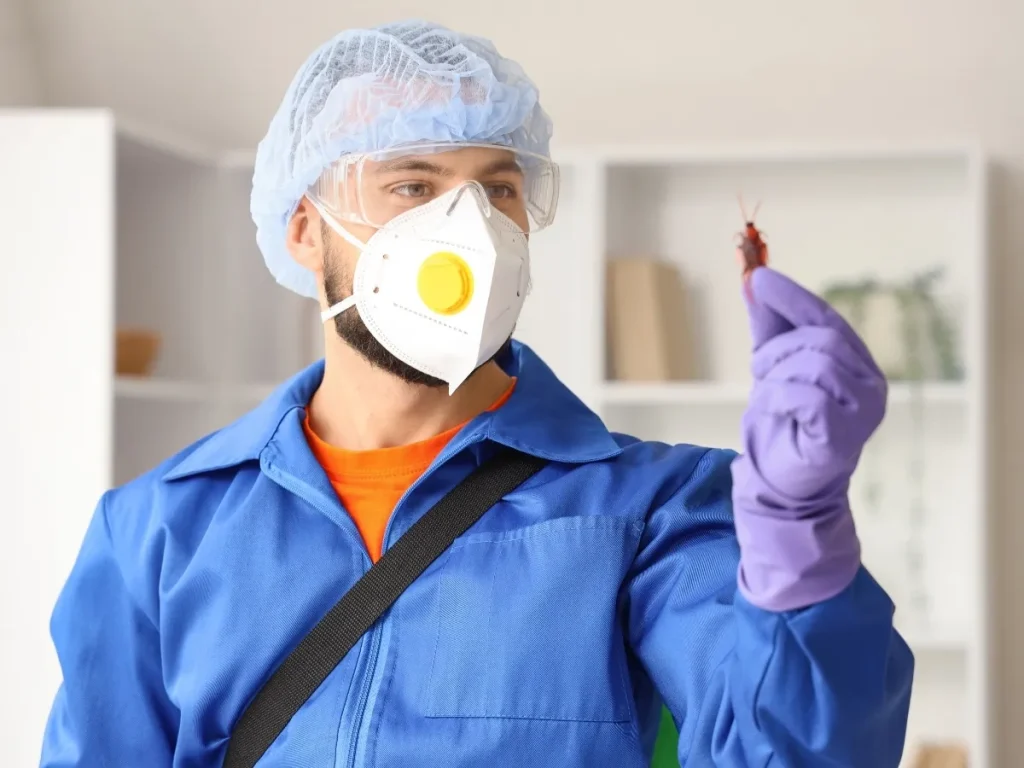
Professional pest control plays a crucial role in safeguarding food storage areas by focusing on prevention and early detection. Trained technicians understand where pests are most likely to enter and hide, allowing them to identify risks that may go unnoticed. Through detailed inspections, they can detect signs of activity such as droppings, nesting materials, or entry points around doors, vents, and storage units. Addressing these issues early helps prevent infestations before they compromise food safety.
Another important aspect is the use of targeted treatments and safe pest management methods. Professionals apply treatments specifically designed for food environments, ensuring they are both effective and compliant with health and safety regulations. This may include baiting systems, traps, and environmentally responsible solutions that minimize contamination risks. By using the right techniques and products, pest control experts can eliminate pests while maintaining the integrity of stored food and meeting industry standards.
Ongoing monitoring and maintenance are what make professional pest control truly effective over time. Regular service visits help ensure that any new pest activity is quickly identified and addressed before it escalates. In addition, professionals often provide guidance on sanitation practices, storage methods, and structural improvements that reduce the likelihood of future infestations. This proactive approach not only protects food supplies but also helps businesses maintain compliance, avoid costly losses, and uphold their reputation for safety and cleanliness.
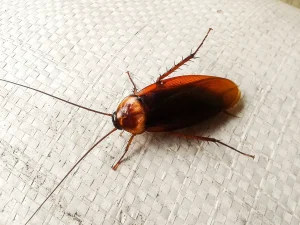
Food storage areas are particularly vulnerable to pest activity because they provide a consistent and easily accessible source of nourishment. Even minor spills, crumbs, or improperly sealed products can attract pests such as ants, cockroaches, and rodents. These pests are highly sensitive to food odors and can quickly locate sources, making it easy for them to invade storage spaces. Once they gain access, they tend to return repeatedly and may bring others, increasing the likelihood of a growing infestation if not addressed promptly.
In addition to the availability of food, environmental conditions in storage areas can further encourage pest presence. Warm, dark, and humid spaces create ideal conditions for pests to hide, breed, and thrive undetected. Without proper maintenance, these areas can become long-term nesting sites. Implementing good storage practices, maintaining cleanliness, and controlling temperature and moisture levels are essential steps in reducing pest attraction and ensuring a hygienic environment.
A pest infestation in a food storage area can lead to serious problems. One of the biggest concerns is contamination. Pests leave droppings, urine, and bacteria on surfaces and food products. This makes proper food storage pest control essential for safety. Contaminated food must often be discarded, which can lead to financial losses. In commercial settings, infestations can also damage a business’s reputation and lead to health code violations. Rodents may chew through packaging, while insects can infest stored goods. These issues highlight the importance of preventing pests before they reach food storage areas.
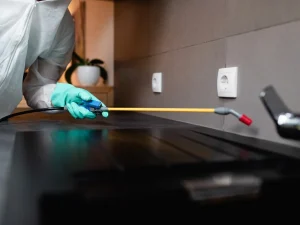
Professional pest control services provide a structured approach to protecting food storage areas. Technicians use proven methods to identify risks and eliminate pest activity. This makes food storage pest control more effective than relying on basic solutions alone. Pest control professionals inspect storage areas for signs of activity. They look for droppings, damaged packaging, or entry points that pests may use. Once the source of the problem is identified, targeted treatments can be applied. Professionals also focus on prevention by addressing the conditions that attract pests. This helps ensure long term protection for food storage areas.
One of the key steps in food storage pest control is preventing pests from entering the space. Even small gaps can allow insects and rodents to reach stored food. Common entry points include cracks in walls, gaps around doors, and openings near pipes or vents. Sealing these areas helps block pest access and protect food supplies. Proper door seals and well fitted screens can also prevent pests from entering storage areas. Maintaining these barriers is an important part of pest prevention.
Professional pest control also involves improving food storage practices. Storing food correctly reduces the chances of pests reaching it. This is a key part of effective food storage pest control. Food should always be kept in airtight containers. This prevents pests from accessing products and reduces odours that attract them. Helpful storage practices include:
Sanitation plays a major role in keeping pests away from food storage areas. Even small amounts of residue can attract pests. Regular cleaning is a critical part of food storage pest control. Shelves, floors, and storage containers should be cleaned frequently. Removing crumbs and spills helps eliminate food sources that pests depend on. Cleaning should also include hard to reach areas such as corners and behind storage units. Maintaining a clean environment reduces the chances of pests settling in.
Ongoing monitoring and regular inspections are essential components of effective pest control in food storage environments. By consistently checking for early signs of pest activity, such as droppings, damage, or unusual odors, potential infestations can be identified before they become serious problems. This proactive approach allows for timely intervention, reducing the risk of contamination and protecting both products and facility standards.
Professional technicians often use specialized monitoring tools, such as traps and tracking devices, to observe pest movement and pinpoint high-risk areas. These tools provide valuable data that helps guide targeted treatments and preventive actions. Regular inspections also ensure that existing control measures remain effective over time. By addressing issues early and maintaining a consistent monitoring routine, businesses can avoid costly disruptions and maintain a safe, compliant food storage environment.
Professional pest control focuses on using safe and targeted treatments. This is especially important in food storage areas where safety is a priority. Proper food storage pest control ensures that treatments do not contaminate food products. Technicians apply treatments in a controlled manner, focusing on areas where pests are active. This reduces risks while still effectively eliminating infestations. Following professional guidelines ensures that pest control measures are both safe and effective.
If pests are detected in a food storage area, it is important to act quickly. Delaying treatment can allow infestations to spread and contaminate more products. Professional pest control services provide the expertise needed to handle these situations safely. At TAG Pest Control, we offer reliable food storage pest control solutions designed to protect homes and businesses. Our experienced team inspects storage areas, identifies risks, and applies effective treatments. You can learn more about our trusted pest control services and how we help keep food storage areas secure.
Homes and businesses in Langley may face pest challenges due to seasonal changes and environmental conditions. Food storage areas can be especially vulnerable if preventive measures are not in place. Our team understands the local pest risks and provides targeted solutions designed to protect stored food. We focus on safe and effective methods that help prevent infestations and maintain hygiene. If you need assistance, our Langley pest control specialists are ready to help with dependable services.
Maintaining strong food storage pest control practices is essential for protecting food, health, and property. Sealing entry points, storing food properly, and maintaining cleanliness all help reduce pest risks. Professional pest control provides additional protection by identifying hidden issues and applying targeted solutions. This ensures that food storage areas remain safe and pest free.
If you want to protect your home or business from pest related risks, taking action now can make a lasting difference. Our team is ready to help you maintain clean and secure storage spaces. You can easily contact our team to schedule an inspection. At TAG Pest Control, we are committed to helping homeowners and businesses protect their food storage areas with reliable pest control solutions that keep environments safe and hygienic year round.