How Moisture Problems Attract Household Pests
May 18, 2026
Moisture problems inside a home often create the perfect environment for many common household pests. Insects, rodents and mice need…
Urban environments unintentionally provide pests with an abundance of essential resources. The high concentration of people means a constant supply of food waste, from overflowing garbage bins to improperly stored items in homes and businesses. Even small crumbs or leaks can sustain pests like rodents, cockroaches, and ants. In addition, cities generate warmth through buildings, underground systems, and human activity, creating stable conditions that allow pests to thrive year-round rather than seasonally.
Another key factor is the availability of shelter and easy access points. Buildings in urban areas are often closely packed, with shared walls, utility lines, and aging infrastructure that create hidden entryways and nesting spaces. Cracks in foundations, poorly sealed doors, and gaps around pipes make it easy for pests to move between units and properties without being detected. Once pests establish themselves in one location, they can quickly spread throughout an entire building or even across neighboring structures.
Finally, the fast pace and density of city life can make pest control more challenging. Frequent movement of goods, people, and waste allows pests to travel and multiply rapidly, while delayed maintenance or inconsistent sanitation practices can worsen the problem. Construction and urban development can also disturb existing pest habitats, pushing them into homes and commercial spaces. Understanding these factors helps property owners take proactive steps, such as maintaining cleanliness, sealing entry points, and scheduling regular inspections to prevent infestations before they escalate.
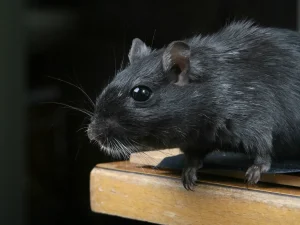
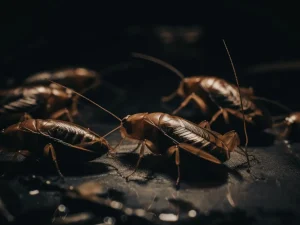
High population density in urban areas creates ideal conditions for pests to grow and spread. With more people comes a steady supply of food waste, garbage, and other organic materials that attract pests such as rodents, cockroaches, and flies. These pests are highly adaptable and thrive in environments where resources are abundant and easily accessible. In densely populated cities, even small amounts of improperly managed waste can quickly become a reliable food source, allowing pest populations to increase rapidly.
Additionally, the close spacing of buildings and shared infrastructure in cities makes it easier for pests to travel between properties. Walls, pipes, sewers, and ventilation systems can all serve as pathways, enabling infestations to spread beyond a single location. This interconnectedness makes pest control more challenging, as addressing the problem in one building may not be sufficient if neighboring areas remain untreated. As a result, effective pest management in urban environments often requires coordinated efforts across entire communities to prevent and control infestations.
Urban environments offer a continuous and reliable supply of food that attracts a wide variety of pests. Restaurants, overflowing garbage bins, street litter, and household waste all contribute to an environment where pests can easily find nourishment. Even minor food residues, such as crumbs or improperly sealed trash, can be enough to draw insects and rodents. Because cities operate around the clock, these food sources are rarely eliminated entirely, allowing pest populations to establish themselves and grow steadily.
Once pests discover a dependable food source, they tend to remain in the area and reproduce quickly, making infestations more difficult to control over time. This is why proper waste management plays a critical role in pest prevention. Ensuring that garbage is securely sealed, disposed of regularly, and kept away from living spaces can significantly reduce the chances of attracting pests. Maintaining cleanliness in both public and private spaces helps limit access to food, ultimately discouraging pests from settling and multiplying.
Buildings in urban environments play a crucial role in providing shelter and warmth, not only for people but also for pests seeking refuge from harsh weather conditions. As cities grow denser, the abundance of structures creates countless opportunities for pests to find safe and stable habitats. Older buildings, in particular, are more vulnerable due to the presence of cracks, gaps, and general wear over time, which make it easier for pests to enter. However, even modern buildings are not immune, as small openings around utility lines, vents, and poorly sealed areas can serve as entry points.
Once pests gain access to a building, they often settle in hidden areas such as wall cavities, basements, and ceiling spaces where they can remain undetected for long periods. These secluded environments provide ideal conditions for nesting and reproduction, allowing infestations to grow before they are noticed. Because these areas are difficult to inspect regularly, early signs of pest activity are often missed, making control and prevention more challenging. This highlights the importance of proper building maintenance and regular inspections to minimize the risk of infestations.
Ongoing construction and urban development significantly alter the natural environment, often disrupting the habitats where pests originally lived. As land is cleared and structures are built or renovated, pests such as rodents, insects, and other small animals are forced to seek new shelter and food sources. In many cases, nearby homes and commercial buildings become the most convenient alternatives. This sudden displacement can lead to noticeable spikes in pest activity, especially in areas experiencing rapid development.
In addition to displacement, construction sites themselves can unintentionally attract pests. Accumulated debris, exposed materials, and poor site maintenance can provide hiding places, while standing water from incomplete drainage systems can become breeding grounds for insects like mosquitoes. These temporary conditions create an environment where pests can thrive if not properly managed. As a result, construction projects require careful planning and consistent upkeep to minimize their impact on surrounding communities and reduce the likelihood of pest infestations.
Poor waste management is a significant contributor to pest infestations in urban areas, as it creates an abundant and reliable food source for many species. When garbage is not properly contained or regularly collected, it accumulates in overflowing bins, open spaces, and neglected disposal areas. This environment attracts a wide range of pests, including rodents, cockroaches, and flies, all of which thrive in places where food is easily accessible. The presence of litter and organic waste further encourages pests to remain in the area and multiply.
As these pests establish themselves near waste sources, they can quickly spread into nearby buildings and neighborhoods, increasing the risk of widespread infestations. Rodents, in particular, are highly adaptable and can travel through small openings to access homes and commercial spaces, while insects can reproduce rapidly in unsanitary conditions. Addressing these issues requires consistent and effective waste management practices, such as proper storage, timely collection, and maintaining clean surroundings. By reducing the availability of food and breeding grounds, cities can significantly limit pest populations and improve overall public health.
Public spaces and shared areas in urban environments play a significant role in the spread of pests due to the high level of human activity and interconnected infrastructure. Locations such as parks, public transportation systems, and multi-unit residential buildings provide numerous opportunities for pests to move freely and access food, shelter, and new nesting sites. These environments often experience heavy foot traffic and varying levels of cleanliness, which can unintentionally support pest activity and allow infestations to develop and expand across different areas.
In apartment buildings and similar structures, the close proximity of units makes pest control particularly challenging. Pests can easily travel between units through small openings in walls, along plumbing lines, and through ventilation systems, allowing infestations to spread rapidly without being immediately detected. This interconnectedness means that treating a single unit is often not enough to eliminate the problem. Effective pest control in shared spaces requires coordinated efforts among residents, property managers, and maintenance teams, along with regular inspections and preventive measures to address potential entry points and breeding areas.
Urban areas tend to be warmer than their surrounding regions due to the urban heat island effect, where concrete, asphalt, and buildings absorb and retain heat. This rise in temperature creates a more hospitable environment for many pests, allowing them to remain active throughout the year rather than being limited by seasonal changes. Warmer conditions can accelerate pest life cycles, enabling them to breed more frequently and in greater numbers, which increases the likelihood of infestations.
As a result, pest problems in cities can develop more quickly and persist for longer periods compared to rural areas. Extended breeding seasons mean that populations can grow unchecked if not properly managed, making early intervention and consistent prevention strategies essential. By understanding how climate and temperature influence pest behavior, individuals and communities can take more proactive steps to reduce risks, such as maintaining cleanliness, addressing moisture issues, and monitoring for early signs of infestation.
While urban environments present challenges, there are effective ways to reduce pest risks. Taking a proactive approach is key. Keeping your property clean reduces food sources and discourages pests. Focus on both indoor and outdoor areas. Inspect your property for cracks and gaps. Sealing these openings helps prevent pests from entering your space. Use secure bins and dispose of garbage regularly. Clean waste areas to avoid attracting pests. Routine inspections help detect problems early. This allows for faster and more effective solutions. For professional support, explore our pest control services.
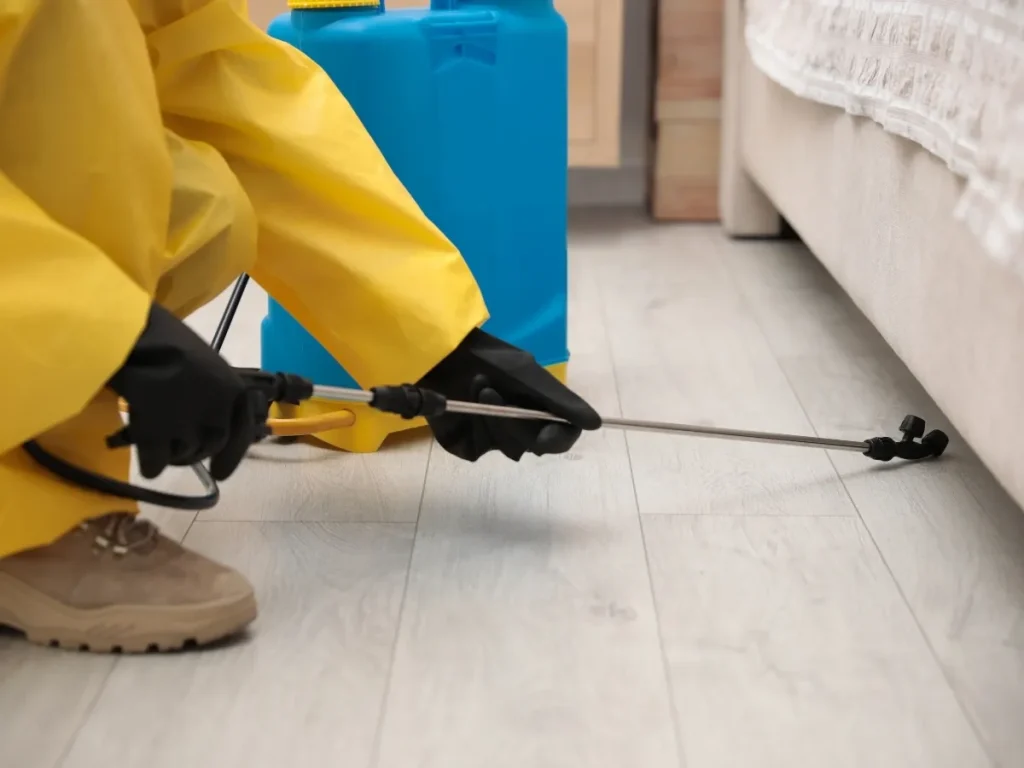
Urban pest problems often require expert solutions. Professional pest control services provide the tools and knowledge needed to manage complex infestations. At TAG Pest Control, we understand the unique challenges of urban environments. Our team uses targeted strategies to address pest issues and prevent them from returning. If you are dealing with pest concerns in your area, our Langley pest control team is ready to help with reliable and effective service.
Taking steps to prevent pest problems offers long term advantages. It helps protect your property, reduce maintenance costs, and improve overall comfort. A pest free environment also supports better health and safety for residents and tenants. This is especially important in densely populated areas. By staying proactive, you can manage risks and maintain a clean and welcoming space.
Understanding the causes of urban pest problems allows you to take control before infestations begin. From high population density to abundant food sources, cities create ideal conditions for pests, but these challenges can be managed with the right approach. At TAG Pest Control, we are committed to helping you protect your property with effective and reliable solutions. If you are ready to prevent pest issues and maintain a safe environment, reach out through our contact page today. Let us help you stay ahead of pests and enjoy peace of mind in your urban space.