Why Wasps Build Nests Near Homes
May 27, 2026
Wasps often build nests near homes because residential properties provide the shelter and protection they need to survive and reproduce.…
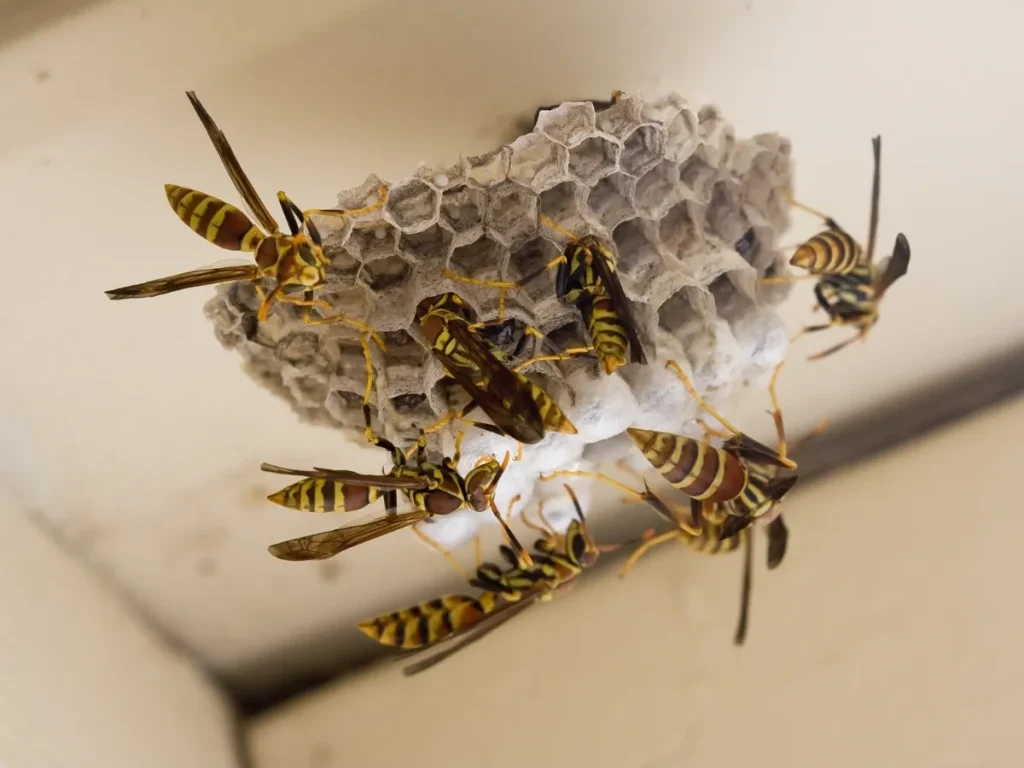
Dealing with aggressive wasps requires caution, awareness, and the right approach to avoid provoking an attack. The first step is identifying the location of the nest and observing activity from a safe distance. Wasps are most aggressive when they feel their nest is threatened, so it is important not to disturb the area by poking, spraying randomly, or making sudden movements nearby. Keeping children and pets away from known nesting sites and limiting outdoor food exposure can also reduce the chances of attracting wasps and triggering defensive behavior.
If you need to address the problem, timing and method are critical. Wasps are generally less active during the early morning or late evening, making these times safer for any intervention. However, attempting to remove a nest without proper equipment or experience can be dangerous, especially with highly aggressive species. Over-the-counter sprays may provide temporary relief, but they often do not eliminate the entire colony. For larger nests or repeated activity, it is safer and more effective to rely on professional pest control services that have the tools and protective gear to handle the situation properly.
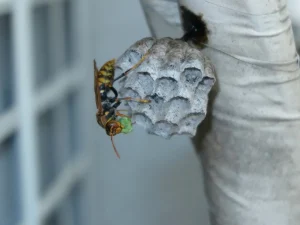
Prevention is equally important in managing aggressive wasps long term. Regularly inspect your property for early signs of nest building, such as small paper-like structures under eaves, decks, or rooflines. Sealing gaps, maintaining outdoor cleanliness, and securing trash bins can make your space less attractive to wasps. By combining early detection with safe response strategies, you can reduce risks and maintain a more comfortable and secure outdoor environment for your household.
Some wasps become aggressive due to their natural instinct to protect their colony. Certain species are more defensive than others, especially when they perceive a threat near their nest. When a nest is disturbed, wasps release chemical signals that alert others, leading to a rapid and coordinated defensive response. This behavior is meant to protect the queen and the colony, but it can pose a risk to people who unknowingly get too close.
Aggression also tends to increase during late summer and early fall when colonies reach their peak size and food becomes harder to find. During this time, wasps are more reactive and more likely to sting if provoked by movement, noise, or attempts to remove their nest. Because of these factors, handling aggressive wasps requires caution and proper knowledge. Taking a careful, informed approach, or seeking professional help, can reduce the risk of stings and ensure the situation is managed safely and effectively.
Recognizing early signs of aggressive wasps can help you act before the situation gets worse. There are a few key indicators to watch for around your property. You may notice increased wasp traffic in a specific area, such as near eaves, decks, or trees. Wasps flying in and out of the same spot often means there is a nest nearby. Another sign is defensive behaviour. If wasps begin to hover around you or follow you closely, it could indicate that you are near their nest. In some cases, you may hear buzzing coming from walls or outdoor structures. Identifying these signs early makes aggressive wasp control safer and more effective.
Wasps look for sheltered areas that provide protection from weather and predators. Many of these locations are close to human activity, which increases the risk of encounters. Common nesting spots include roof edges, attics, sheds, and under decks. They may also build nests in trees, bushes, or even underground. Some species prefer wall cavities, making them harder to detect. Because nests are often hidden, it is important to inspect your property regularly. Knowing where to look helps you respond quickly and supports better aggressive wasp control.
Attempting to remove a wasp nest on your own can quickly become dangerous, especially when dealing with aggressive species. Wasps are highly protective of their nests and can respond to perceived threats by attacking in groups. Without proper training or protective equipment, even a small disturbance can trigger a swarm, increasing the risk of multiple stings and potential allergic reactions. What may seem like a simple task can escalate into a serious safety hazard within moments.
In addition to safety concerns, do-it-yourself methods are often ineffective in fully resolving the problem. Store-bought sprays or tools may only eliminate visible wasps while leaving the nest and remaining colony intact. This allows the infestation to return or continue growing. Professional exterminators have the knowledge, experience, and equipment to handle aggressive wasps safely and thoroughly. By relying on expert services, you ensure that the nest is properly removed and the risk of future issues is minimized.
While professional removal is best for nests, there are steps you can take to reduce wasp activity around your home. These actions help lower the chances of attracting aggressive wasps. Keep food and drinks covered when outdoors. Wasps are drawn to sugary items and open containers. Clean up spills and dispose of garbage regularly. Seal cracks and openings around your home to prevent wasps from entering walls or attics. Trim trees and bushes to reduce nesting areas near your house. These simple steps support your aggressive wasp control efforts and make your property less appealing to wasps.
If you come across aggressive wasps, your reaction matters. Staying calm can help prevent the situation from escalating. Avoid sudden movements or swatting, as this can provoke wasps. Slowly move away from the area without turning your back too quickly. If a wasp follows you, continue moving calmly until you are out of its territory. Do not attempt to locate or disturb the nest on your own. Knowing how to respond safely is an important part of aggressive wasp control and helps reduce the risk of stings.
If you suspect a nest on your property, it is best to contact professionals right away. Large nests or aggressive behaviour require expert handling. At TAG Pest Control, we use safe and effective methods to remove wasp nests and prevent future problems. Our team is trained to handle aggressive situations with care. If you are in the area, our Langley pest control experts are ready to assist. You can also explore our full range of pest control services to find the right solution for your needs. Professional service ensures that aggressive wasp control is handled properly and safely.
Prevention is key to avoiding recurring wasp issues. Taking the right steps early can keep your property protected throughout the year. Inspect your home regularly for early signs of nest building. Removing small nests early in the season is much safer than dealing with large colonies later. Maintain your outdoor spaces by keeping them clean and well maintained. Secure garbage bins and avoid leaving food outside. Working with professionals for routine checks can also help prevent future infestations. Consistent care strengthens your aggressive wasp control strategy.
Protecting your family and tenants is a top priority when dealing with aggressive wasps, as their stings can pose serious health risks. Wasps are highly defensive, especially when their nests are disturbed, and multiple stings can occur quickly. In some cases, individuals may experience severe allergic reactions that require immediate medical attention. Ensuring that everyone on the property is aware of wasp activity helps reduce the risk of accidental encounters and allows people to take precautions, such as avoiding certain areas.
Clear communication and preparedness are essential for maintaining safety during a wasp issue. Informing occupants about affected locations and advising them to keep a safe distance can prevent unnecessary incidents. It is also important to recognize the signs of an allergic reaction, such as difficulty breathing, swelling, or dizziness, and to seek medical help without delay if these occur. Taking these precautions, along with prompt professional intervention, supports a safer environment and more effective management of aggressive wasp activity.
Aggressive wasps can be a serious concern, but with the right approach, you can manage the risk safely. Understanding their behaviour, spotting early signs, and taking preventive steps all play an important role. Effective aggressive wasp control is about safety, awareness, and knowing when to call for help. Acting early helps protect your home, your family, and your peace of mind. At TAG Pest Control, we are here to provide reliable and professional solutions you can trust. When you are ready to deal with aggressive wasps safely and effectively, reach out through our contact page and let our team help you take control of the situation.