How to Safely Deal with Aggressive Wasps
July 8, 2026
Dealing with aggressive wasps requires caution, awareness, and the right approach to avoid provoking an attack. The first step is…
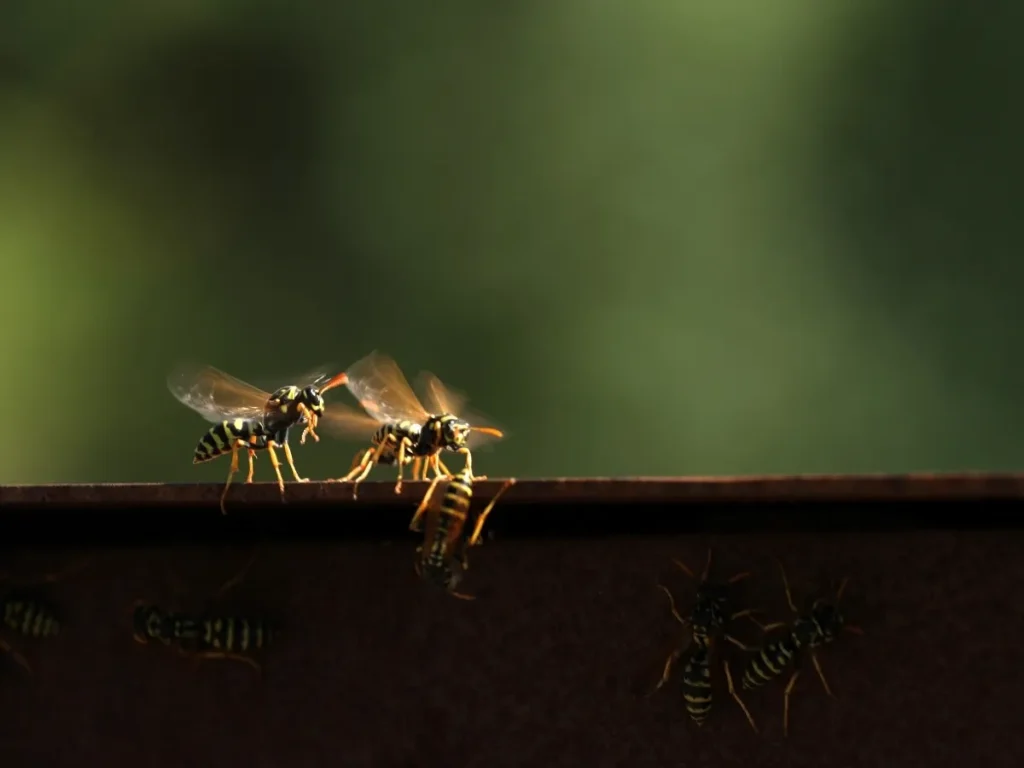
Preventing wasp nests requires a combination of vigilance, habitat management, and proactive measures. One of the most effective strategies is to eliminate potential nesting sites around your property. Wasps are attracted to sheltered areas such as eaves, attics, sheds, and overgrown shrubs. By sealing gaps, repairing damaged siding, and keeping vegetation trimmed, homeowners can make their outdoor spaces less appealing to these insects. Additionally, removing sources of food, including exposed garbage, fallen fruit, and pet food, can further discourage wasps from lingering near your home.
Another key practice is the use of deterrents and early intervention techniques. Some homeowners find that hanging decoy wasp nests can prevent new colonies from forming, as wasps tend to avoid building near an existing nest. Regularly inspecting your property during spring and early summer can help you detect signs of nest-building before the colony becomes established. If you notice early activity, removing small nests carefully or consulting a professional pest control service can stop the population from growing into a larger threat.
Finally, maintaining a consistent approach to prevention throughout the warmer months is essential. Wasps are persistent and may attempt to rebuild nests if previous efforts are not thorough. Homeowners should continue monitoring potential problem areas and refresh deterrents as needed. By combining habitat management, early detection, and ongoing vigilance, families can significantly reduce the risk of wasp nests and enjoy their outdoor spaces safely.
Wasps often build nests near homes because such locations provide ideal conditions for survival. They seek areas that are sheltered from harsh weather and potential predators, and human structures frequently offer these advantages. Roof overhangs, eaves, attics, decks, and sheds give wasps protected spaces where they can safely construct and maintain their nests. The stability and concealment offered by these sites help ensure the survival of the colony, particularly during the early stages when the nest is small and vulnerable.
In addition to shelter, proximity to food and water sources strongly influences wasp nesting behavior. Wasps are attracted to sugary foods, ripe fruit, and human waste, so gardens, outdoor dining areas, and garbage bins can draw them close to homes. Access to water from birdbaths, garden hoses, or small pools further encourages them to stay in the area. When these three essentials, shelter, food, and water, are readily available, the likelihood of nest construction near human residences increases significantly. Homeowners can reduce this risk by managing waste, securing food sources, and eliminating standing water.
Wasps often choose locations that are quiet and protected. These areas allow them to build their nests without disturbance. Homeowners should regularly inspect these spaces to help prevent wasp nests from forming. Some of the most common nesting locations include:
These areas are attractive because they provide shelter and easy access to outdoor food sources. Early inspections help homeowners spot small nests before they grow larger.
Maintaining clean outdoor areas is essential for preventing wasp infestations. Wasps are naturally attracted to food, particularly sugary substances, so leaving leftovers or drinks exposed can quickly invite them to your patio, barbecue, or garden. Regularly cleaning tables, countertops, and other surfaces after meals removes crumbs and sticky residues that might otherwise lure these insects. Ensuring that garbage bins have tightly sealed lids further minimizes access to potential food sources, creating an environment that is less appealing to wasps.
In addition to cleaning dining areas, monitoring gardens and fruit trees is important for controlling wasp activity. Fallen fruits, in particular, are a strong attractant due to their high sugar content. By promptly removing these fruits and keeping garden spaces tidy, homeowners can significantly reduce the likelihood of wasps building nests nearby. These preventive measures not only protect outdoor areas from pests but also make outdoor activities more comfortable and safe.
Small openings around your home can provide ideal nesting locations for wasps. Cracks in siding, gaps around windows, and openings near rooflines allow wasps to access hidden spaces. Sealing these areas is an important step to prevent wasp nests. Inspect the exterior of your home for gaps or damage. Caulking and weather sealing materials can help close small openings. Screens should also be checked to ensure they are in good condition. Repairing these entry points not only helps with wasp prevention but also protects your home from other pests. A well sealed home is far less attractive to insects looking for nesting sites.
Regular inspections are one of the most effective ways to prevent wasp nests. Small nests are easier to remove and manage before they grow into large colonies. Early detection can help avoid more serious problems later. Walk around your property every few weeks during spring and summer. Look under roof edges, deck railings, and other sheltered areas.
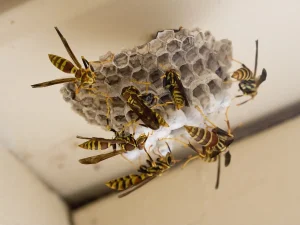
Early nests often appear as small paper like structures attached to surfaces. If a nest is spotted early, professional pest control services can remove it safely. Attempting to remove a nest without proper equipment can be dangerous. Wasps may become aggressive when their nest is disturbed. Homeowners can learn more about professional solutions through our pest control services.
Landscaping plays a significant role in either attracting or deterring wasps from nesting near a home. Dense vegetation, overgrown shrubs, and low-hanging tree branches create natural hiding spots that provide protection and easy access for these insects. By keeping plants well-trimmed and removing excessive growth near the house, homeowners can limit potential nesting sites and make it more difficult for wasps to approach the property unnoticed. Clear, open spaces also enhance visibility, making it easier to detect early signs of insect activity before a nest becomes established.
In addition to providing shelter, plants can serve as food sources that attract wasps. Gardens often host a variety of insects, which wasps feed on, so high insect populations may unintentionally encourage them to stay nearby. Regular monitoring of garden plants can help identify and manage these populations, reducing the likelihood of drawing wasps in large numbers. Maintaining a balanced landscape not only promotes the health of your garden but also acts as a proactive step in minimizing the presence of wasps and other pests around the home.
Even with careful prevention, wasps may still attempt to build nests near homes. When nests appear in hard to reach or dangerous locations, professional help is the safest solution. Pest control experts have the tools and experience needed to remove nests safely. Professionals can also identify the species of wasp and determine the best removal method.
Some nests may be hidden inside walls or roof spaces where homeowners cannot see them. Removing these nests without proper equipment can lead to multiple stings. At TAG Pest Control, our experienced team provides safe and effective wasp control solutions. Homeowners searching for trusted Langley pest control services can rely on our professionals to handle wasp problems quickly and safely.
Wasps can quickly turn outdoor spaces into uncomfortable or even dangerous areas for families. Learning how to prevent wasp nests is one of the best ways to avoid these problems before they start. By keeping outdoor areas clean, sealing entry points, and performing regular inspections, homeowners can greatly reduce the chances of wasps settling nearby. Preventative steps are most effective when taken early in the season before colonies grow larger. Monitoring your property regularly allows you to spot potential problems before they become serious.
Combining these efforts with professional pest control services provides the strongest protection. If you are concerned about wasp activity around your home, the team at TAG Pest Control is ready to help. Our experts provide reliable inspections, nest removal, and prevention strategies to keep your property safe. To learn more or schedule a service, visit our contact page and discover how TAG Pest Control can help keep your home protected from wasps.