Why Pest Infestations Spread Quickly
July 14, 2026
Pest infestations spread quickly primarily because of how fast many pests reproduce. Insects like cockroaches, ants, and bed bugs can…
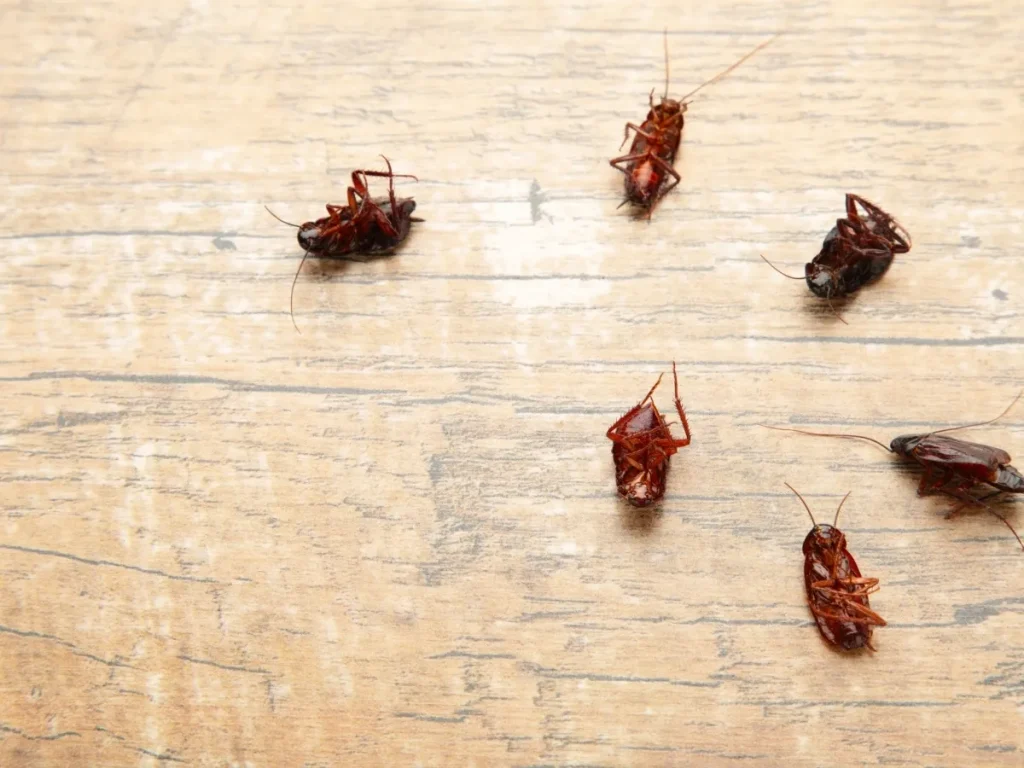
Pests can introduce harmful bacteria into your home in several ways, often without you realizing it. As they move through unsanitary environments such as garbage, sewage, or outdoor debris, they pick up pathogens on their bodies and legs. When they enter your home, they transfer these contaminants onto surfaces like countertops, floors, and furniture. Common household pests such as cockroaches, rodents, and flies are especially known for spreading bacteria like Salmonella and E. coli, which can pose serious health risks.
Contamination of food and food preparation areas is another major concern. Pests are attracted to kitchens and pantries because of easy access to food sources. As they crawl across utensils, stored food, and cooking surfaces, they can leave behind droppings, urine, and saliva that carry harmful microorganisms. Even sealed food can sometimes be compromised if packaging is damaged. This type of contamination increases the risk of foodborne illnesses, particularly if the exposure goes unnoticed.
In addition to direct contact, pests can also affect air quality within the home. As infestations grow, waste materials, shed skin, and decomposing pests can release particles into the air. These contaminants may trigger allergies, asthma, or other respiratory issues, especially in sensitive individuals. Preventing these risks involves maintaining a clean environment, sealing entry points, storing food properly, and addressing infestations quickly. Taking proactive steps not only protects your home but also safeguards the health of everyone living in it.
Pests pose a serious health risk because they often carry harmful bacteria and pathogens from unsanitary environments into living spaces. As they move through garbage, sewage, and outdoor areas, they collect contaminants on their bodies and legs. Once inside a home, they can easily transfer these germs onto surfaces such as kitchen counters, food storage areas, and even bedding. This silent spread of bacteria increases the risk of illnesses, especially in spaces where cleanliness is essential for daily living.
The danger becomes even greater when infestations are ignored or allowed to grow. As pest populations increase, so does the level of contamination, making it harder to maintain a safe and hygienic environment. Many people underestimate how quickly pests can spread disease, but even small infestations can have a significant impact on health. Taking action at the first sign of pest activity is essential, as early intervention helps reduce risks and protects both your home and the well-being of everyone inside it.
Different pests carry different types of bacteria and pathogens. Some are more dangerous than others, but all should be taken seriously. Rodents such as mice and rats are known carriers of harmful diseases. They can spread bacteria through droppings, urine, and saliva. Cockroaches are another major concern, as they move through dirty areas and then across food surfaces. Flies also play a role in spreading contamination. They land on waste and then transfer bacteria to your food. Even ants can carry germs into your home as they search for food. Understanding which pests spread disease helps you stay alert and respond quickly.
Pests spread disease in several ways, often without being noticed right away. One of the most common methods is through direct contact with contaminated surfaces. When pests walk across counters or dishes, they leave behind bacteria. Another way is through droppings and urine. These can contaminate floors, cupboards, and food supplies. In some cases, particles can become airborne and affect indoor air quality. Pests can also spread disease through bites. While less common indoors, certain pests can transmit infections directly to humans. These risks show why crawl space, kitchen, and storage areas should all be monitored closely. Pest activity anywhere in the home can lead to health concerns.
Food contamination is one of the most serious risks associated with pest infestations, particularly in kitchens and food storage areas. Pests such as rodents and cockroaches can easily access these spaces, where they come into contact with food, utensils, and preparation surfaces. Rodents often chew through packaging, contaminating food with droppings, urine, and bacteria, while cockroaches can spread harmful pathogens as they move across cupboards, countertops, and dishes. Even food that appears sealed may be at risk if pests are active nearby, as contamination can occur indirectly through surfaces and handling areas.
Maintaining proper food safety practices is essential to minimizing these risks. Storing food in airtight containers, regularly cleaning kitchen surfaces, and promptly disposing of waste can help limit access and reduce attraction for pests. It is also important to inspect food packages for signs of damage and to keep storage areas organized and dry. By prioritizing cleanliness and secure storage, homeowners can create a safer environment and significantly lower the chances of pests contaminating food and spreading illness within the home.
Pests do not always stay in plain sight. They often hide in areas that are rarely cleaned or inspected. This allows bacteria to build up over time without being noticed. Common hidden areas include behind appliances, inside walls, and in basements or crawl spaces. These spaces provide shelter and easy access to food and moisture. When pests live in these areas, they can spread bacteria throughout the home without direct contact. Air movement and daily activity can carry contaminants into living spaces. Regular inspections of these hidden areas are key to preventing issues. They play an important role in controlling how pests spread disease.
Detecting the presence of pests early is essential in reducing the risk of bacteria spreading throughout your home. While bacteria itself is invisible, pests leave behind clear warning signs that should not be ignored. Common indicators include droppings, grease marks along walls or surfaces, and persistent, unusual odours. You may also find chewed food packaging, damaged materials, or signs of nesting in hidden areas. These clues often point to active pest movement and contamination, particularly in kitchens, storage spaces, and less frequently used areas of the home.
In addition to visible signs, health-related symptoms can also suggest pest-related contamination. Increased allergy reactions, asthma flare-ups, or unexplained respiratory issues are sometimes linked to exposure to pest droppings, shed skin, or bacteria they carry. Cockroaches and rodents are especially known for triggering these problems. If any of these signs are present, prompt action is important to prevent the situation from worsening. Addressing the issue early helps limit the spread of harmful bacteria and protects both your living environment and overall health.
Prevention is the best way to protect your home from pests and the bacteria they carry. Simple steps can make a big difference in reducing risk. Start by keeping your home clean and free of food debris. Wipe surfaces regularly and store food in sealed containers. Take out garbage often and keep bins tightly closed. Seal any cracks or openings where pests could enter. Check around doors, windows, and the foundation. Fix leaks and reduce moisture, as many pests are drawn to damp areas. Working with professionals like TAG Pest Control services ensures your home is properly protected. A strong prevention plan reduces the chances that pests spread disease.
Sometimes, prevention is not enough. If you suspect an infestation, it is best to contact professionals right away. Large numbers of pests, repeated sightings, or strong odours are signs that the problem has grown. Handling these situations without proper tools can be difficult and unsafe. At TAG Pest Control, we provide effective and safe treatments for homes of all sizes. If you are in the area, our Langley pest control experts are ready to assist. Professional pest control helps eliminate pests and reduces the risk of ongoing contamination. It is the safest way to protect your home and your health.
Keeping your home pest-free requires consistent effort rather than a one-time solution. Ongoing maintenance plays a vital role in preventing infestations before they begin or escalate. Regular inspections allow you to spot early warning signs such as droppings, entry points, or moisture issues, giving you the opportunity to address them quickly. In addition, maintaining cleanliness and repairing structural vulnerabilities, like cracks, leaks, or damaged seals, helps eliminate the conditions that attract pests in the first place.
Consistency is what makes pest prevention truly effective. By staying proactive and addressing small issues as they arise, you significantly reduce the chances of pests spreading and creating health risks within your home. A well-maintained property not only minimizes the likelihood of infestations but also promotes a safer and more comfortable living environment. Over time, this approach protects both your health and your investment, ensuring your home remains a clean and secure space for everyone.
Pests are more than a nuisance. They can carry harmful bacteria and create serious health risks in your home. Understanding how pests spread disease is the first step in protecting your space. By staying alert, keeping your home clean, and addressing issues quickly, you can reduce the risk of contamination. Prevention and early action make a lasting difference. At TAG Pest Control, we are committed to helping homeowners maintain safe and healthy environments. When you are ready to take control of your pest concerns, connect with us through our contact page and let our team help keep your home protected from pests and the risks they bring.