What Makes Some Homes More Vulnerable to Pests
August 6, 2026
Some homes are more vulnerable to pests due to structural conditions that make entry easier. Small cracks in foundations, gaps…
Pest infestations spread quickly primarily because of how fast many pests reproduce. Insects like cockroaches, ants, and bed bugs can produce large numbers of offspring in a short period of time, often without being noticed. Rodents also breed rapidly, with just a small number turning into a full infestation within weeks. Because these pests tend to hide in walls, crawl spaces, and other secluded areas, their populations can grow significantly before any visible signs appear, making early detection more difficult.
Another reason infestations escalate so quickly is the ease with which pests move throughout a home. Small cracks, wall voids, plumbing lines, and ventilation systems allow them to travel from one area to another without exposure. In multi-level or multi-unit properties, this movement can extend beyond a single space, enabling pests to spread between rooms or even separate units. Once they establish multiple nesting sites, eliminating them becomes more complex and requires a more comprehensive approach.
Access to consistent food, water, and shelter further accelerates the spread of pests. Everyday conditions such as crumbs, leaks, clutter, and unsealed entry points create an environment where pests can thrive. As they settle in, they continue to expand their territory in search of additional resources. Without prompt action, what starts as a minor issue can quickly affect larger areas of the home. Taking early preventative measures, maintaining cleanliness, and addressing vulnerabilities are key to slowing and stopping infestations before they grow out of control.
Pest infestations often begin with just a few pests entering a home through small, easily overlooked openings such as cracks, gaps, or spaces around doors and windows. Once inside, they start searching for food, water, and shelter, typically settling in dark, quiet areas where they are less likely to be disturbed. At this early stage, their presence can go unnoticed, allowing them time to adapt to the environment and begin reproducing. This marks the initial phase of infestation, where the problem is still manageable but often hidden.
As time passes, the population can grow quickly, making the issue more noticeable and more difficult to control. Visible signs such as droppings, damage, or increased sightings usually appear only after the infestation has already developed. This is why early detection is so important in preventing further spread. By understanding how infestations begin, homeowners can stay alert to subtle warning signs and take action before the problem escalates into a more serious and costly situation.
One of the main reasons for pest infestation spread is the fast reproduction rate of many pests. Insects and rodents can produce large numbers of offspring in a short period. For example, a single pair of mice can produce many young within a year. Ant colonies can grow into thousands of workers as they expand. Cockroaches are also known for their rapid reproduction cycles. Because of this, even a small number of pests can quickly turn into a large infestation. Acting early is essential to control population growth.
Easy access to food and water is one of the main reasons pests are able to survive and multiply داخل homes. Kitchens, garbage bins, and storage areas often provide steady food sources, while moisture from sinks, leaks, or condensation supplies the water they need. Even small crumbs or minor leaks can be enough to attract pests and keep them active. Once these resources are available, pests are more likely to settle in and begin reproducing, which accelerates the spread of an infestation.
Controlling these conditions is key to limiting pest activity and preventing infestations from growing. Keeping food properly sealed, cleaning up spills promptly, and managing waste effectively can significantly reduce available food sources. At the same time, fixing leaks and reducing excess moisture removes another essential element pests depend on. By eliminating these attractants, you make your home far less hospitable, helping to slow down or prevent pest infestation spread altogether.
Pests often build nests in areas that are difficult to see or reach. Walls, attics, basements, and crawl spaces provide safe environments where pests can live undisturbed. These hidden areas allow infestations to grow unnoticed. This is another reason why pest infestation spread can happen quickly. While pests remain hidden, their population continues to increase. By the time signs appear, the infestation may already be well established. Regular inspections can help identify these hidden nesting areas before the problem becomes severe.
Pests are highly mobile and can move throughout a home with ease. Rodents travel through walls, ceilings, and floors, while insects can crawl through small gaps and openings. This movement contributes to pest infestation spread across different areas of the home. Once pests establish a nest, they often expand their territory in search of additional food or shelter. This can lead to infestations in multiple rooms or levels of the house. Sealing entry points and limiting access can help prevent pests from spreading further.
Seasonal changes play a major role in how and when pests become active, often increasing the risk of infestations at certain times of the year. During colder months, rodents and insects move indoors in search of warmth, shelter, and reliable food sources. In contrast, warmer months encourage higher activity levels and faster reproduction, which can quickly lead to growing pest populations. These seasonal patterns make homes especially attractive as stable environments where pests can survive changing outdoor conditions.
Weather extremes such as heavy rain, flooding, or intense heat can also force pests to relocate, often driving them into residential spaces. When their natural habitats are disrupted, homes provide protection and consistent resources. Understanding these seasonal behaviors allows homeowners to take preventative action in advance, such as sealing entry points before winter or increasing monitoring during peak activity periods. By staying aware and proactive, it becomes much easier to reduce the risk of infestations before they take hold.
Delaying action is one of the biggest reasons infestations spread quickly. When pests are first noticed, some homeowners may ignore the problem or attempt temporary solutions. This delay allows pests to continue reproducing and expanding. Addressing pest issues early can prevent pest infestation spread from becoming a larger concern. Quick action helps reduce the population before it grows out of control. Recognizing the importance of early intervention can save time, money, and stress.
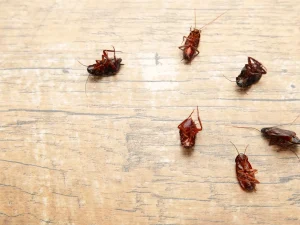
As a pest infestation spreads, the warning signs tend to become more frequent and harder to ignore. You may start noticing pests in multiple areas of the home rather than in one isolated spot, which often indicates that they are actively moving and establishing new nesting sites. Droppings appearing in different locations, along with chewed materials or damaged food packaging, are clear signs that pests are feeding and multiplying. Noises such as scratching or scurrying in walls and ceilings can also suggest that pests are expanding into hidden spaces.
Unpleasant or unusual odours in enclosed or rarely used areas can further signal that an infestation is becoming more established. These smells may come from droppings, nesting materials, or even decomposing pests. When several of these signs appear at once, it is a strong indication that the problem is no longer contained and may continue to worsen if left unaddressed. Acting quickly at this stage is essential to prevent further spread, reduce damage, and restore a safe and comfortable living environment.
Preventing infestations requires a consistent and proactive approach, as even small oversights can create opportunities for pests to enter and thrive. Sealing cracks and gaps around the home helps block common entry points, while storing food in airtight containers and cleaning surfaces regularly removes the food sources pests depend on. Addressing moisture issues by fixing leaks and improving ventilation is equally important, as many pests are drawn to damp environments. Keeping storage areas organized and clutter-free also reduces hiding spots, making it harder for pests to settle in unnoticed.
Regular inspections play a key role in maintaining long-term pest prevention. By routinely checking for early signs such as droppings, damage, or unusual activity, you can take action before a minor issue becomes a larger infestation. These simple but effective steps work together to create an environment that is far less inviting to pests. Over time, consistent maintenance not only protects your home but also supports a cleaner, healthier living space.
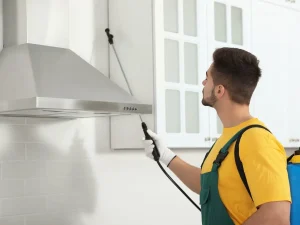
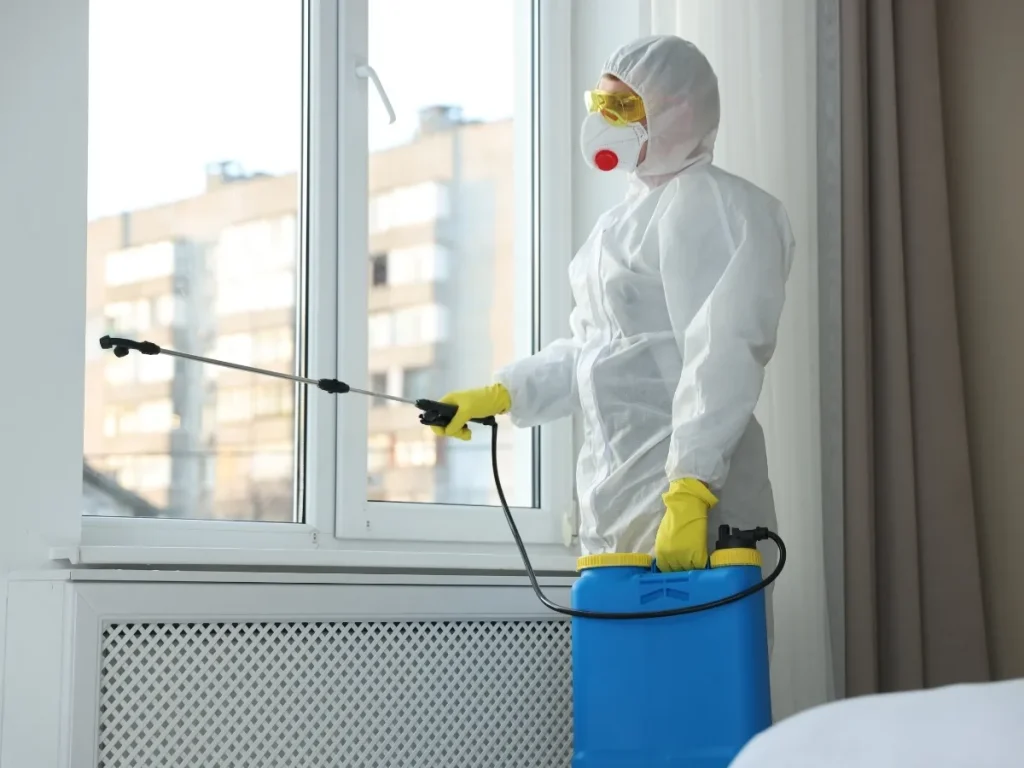
In many cases, pest infestations require professional treatment to be fully eliminated. Pests may hide in areas that are difficult to reach, making it hard to remove them completely without expert help. Professional pest control technicians understand how infestations develop and how to stop pest infestation spread effectively. They use proven methods to locate nests and eliminate pests at the source. At TAG Pest Control, we provide reliable pest management solutions designed to protect homes from infestations. Our experienced team inspects properties carefully and applies targeted treatments to stop pest activity. You can learn more about our trusted pest control services and how we help homeowners maintain pest free homes.
Homes in Langley may experience pest activity due to seasonal changes and environmental factors. Rodents, ants, and other pests can spread quickly if not addressed early. Our team understands the pest challenges that homeowners face in this region. We provide effective pest control solutions designed to eliminate infestations and prevent them from returning. If you are dealing with pest problems, our Langley pest control specialists are ready to help with dependable services.
Understanding how pest infestation spread occurs helps homeowners take action before infestations become severe. Rapid reproduction, easy access to food and water, and hidden nesting areas all contribute to the growth of pest populations. Taking preventive steps and addressing problems early can greatly reduce the risk of infestations spreading throughout your home. However, professional pest control may be needed to eliminate established infestations completely.
If you notice signs of pest activity, it is important to act quickly. Our team is ready to help protect your home and restore comfort. You can easily contact our team to schedule an inspection. At TAG Pest Control, we are committed to helping homeowners stop pest infestations before they grow, using reliable and effective pest management solutions that protect your home year round.