How Weather Changes Increase Pest Activity
April 24, 2026
Weather conditions play an important role in determining when and where pests become active. Many insects and rodents are highly…
Crawl spaces are particularly vulnerable to pest activity because they are dark, quiet, and rarely disturbed. This makes them an ideal environment for rodents, insects, and other pests to settle and multiply without being noticed. One of the earliest signs of activity is the presence of droppings, which are often found along walls, near entry points, or around insulation. You may also notice gnaw marks on wood, wiring, or stored materials, as well as nesting materials such as shredded paper or fabric. These subtle clues can indicate that pests have already begun to establish themselves.
Unusual odors and sounds can also signal a problem in your crawl space. A musty or ammonia-like smell may suggest the presence of rodents or accumulated waste, while faint scratching, scurrying, or movement, especially at night, can point to active infestations. In some cases, you might also observe damage to insulation, such as it being torn, displaced, or contaminated. Moisture buildup, whether from leaks or poor ventilation, can further attract pests and should be treated as both a warning sign and a contributing factor.
Regular inspections are essential for catching these issues early before they escalate. Checking your crawl space periodically, either on your own or with a professional, allows you to identify changes in conditions and respond quickly. Look for entry points such as gaps around pipes, vents, or foundation cracks, and ensure they are properly sealed. Addressing moisture problems, maintaining proper ventilation, and keeping the area clean and dry will make the space less appealing to pests. By staying vigilant and acting promptly, you can protect your home from hidden damage and costly repairs.
Crawl spaces naturally attract pests because they offer the exact conditions many species need to survive and reproduce. These areas are typically dark, undisturbed, and prone to moisture buildup, especially when ventilation is poor or there are unnoticed leaks. This combination creates an ideal habitat for rodents, insects, and other pests seeking shelter. Since crawl spaces are rarely inspected, infestations can grow unnoticed, allowing pests to establish nests and multiply without interruption.
Small openings around the foundation make it easy for pests to gain access, and once inside, they often find everything they need, including warmth, protection, and nearby food sources. Moist environments are particularly appealing to pests like termites, ants, and certain insects that thrive in damp conditions. For this reason, crawl space pest control should be a regular part of property maintenance. Addressing moisture issues, sealing entry points, and conducting routine inspections can prevent minor concerns from developing into serious and costly problems over time.
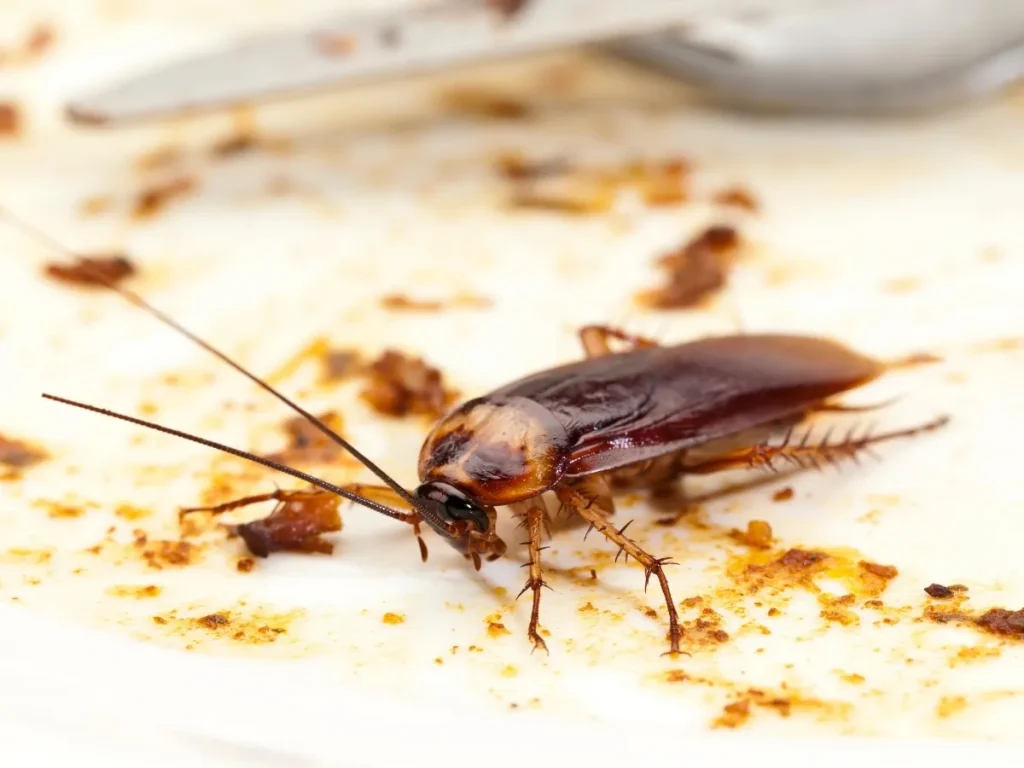
Understanding what pests you might find helps you detect them more easily. Different pests leave different signs, so knowing what to look for is important. Rodents such as mice and rats are very common in crawl spaces. They chew on wires, insulation, and wood, which can lead to safety hazards. Insects like termites and carpenter ants can damage wooden structures and weaken your home. You may also find spiders, cockroaches, and even wildlife such as raccoons in some cases. Each of these pests creates different risks, but all require quick attention. Being aware of these common invaders supports better crawl space pest control and faster response times.
Detecting pest activity early can save you from costly repairs and major infestations. There are several clear signs to watch for when checking your crawl space. One of the most common signs is droppings. Rodents leave small, dark droppings near nesting areas or along travel paths. You may also notice a strong, unpleasant odour caused by waste or urine.
Chewed materials are another warning sign. Look for damaged insulation, wires, or wood. Scratching or movement sounds coming from below the floor can also indicate pest activity. Other signs include nests made from shredded materials and visible tracks in dust or dirt. Spotting any of these signs early makes crawl space pest control much more effective.
Moisture plays a big role in attracting pests to crawl spaces. If your crawl space is damp, it becomes more inviting to insects and rodents. Look for standing water, condensation, or signs of mould growth. These issues often point to poor ventilation or leaks that need to be fixed. Moisture not only attracts pests but also weakens the structure of your home. Wood damage is another serious concern. Termites and carpenter ants can cause hidden damage that becomes expensive to repair. If you notice soft or crumbling wood, it is time to act quickly. Managing moisture is a key part of crawl space pest control and helps prevent future infestations.
Inspecting your crawl space is an important step in identifying potential pest problems early, but it must be done with care. These spaces are often confined, poorly lit, and may contain hazards such as exposed wiring, sharp debris, or even harmful mold. Wearing protective gear like gloves and a mask helps reduce the risk of injury or exposure to dust and contaminants, while a reliable flashlight ensures you can clearly see what you are dealing with. Moving slowly and staying aware of your surroundings can prevent accidents and make the inspection more effective.
When checking the area, pay close attention to common trouble spots such as entry points, pipes, and insulation, as these are where pests are most likely to enter or nest. Signs like droppings, chewed materials, unusual odors, or faint noises can indicate activity even if pests are not immediately visible. However, if the space feels unsafe or difficult to navigate, it is best to leave the inspection to professionals. Trained experts can conduct a thorough assessment and recommend the right solutions, ensuring your crawl space remains secure and properly maintained.
Prevention is always better than dealing with a full infestation. There are several steps you can take to keep pests out of your crawl space. Start by sealing any cracks or openings around the foundation. Even small gaps can allow pests to enter. Install proper ventilation to reduce moisture and improve airflow. Keep the area clean and free of debris. Avoid storing items in the crawl space that could attract pests. Regular maintenance checks can also help catch issues early. Working with experts like TAG Pest Control services ensures your prevention plan is thorough and effective. Strong prevention is the foundation of crawl space pest control.
Some pest problems require more than basic prevention. If you notice strong signs of infestation, it is time to bring in professionals. Large amounts of droppings, strong odours, or visible damage are clear indicators that the problem has grown. Attempting to handle it alone can sometimes make things worse. At TAG Pest Control, we offer expert solutions tailored to your needs. If you are in the area, our Langley pest control specialists are ready to help. Professional treatment ensures that pests are removed safely and effectively. It also helps prevent the problem from returning.
Routine inspections play a critical role in preventing pest problems before they become serious. Crawl spaces, in particular, are often overlooked, making them a common starting point for infestations. By checking these areas regularly, property owners can spot early warning signs such as droppings, nesting materials, or moisture buildup. Detecting these issues early allows for quicker, more effective intervention, reducing the likelihood of pests spreading to other parts of the home.
Scheduling inspections once or twice a year ensures that seasonal changes in pest activity are taken into account. Warmer months may bring increased insect activity, while colder seasons often drive pests indoors in search of shelter. Regular inspections also help uncover underlying maintenance concerns, such as leaks, cracks, or structural damage, that can attract pests if left unaddressed. Maintaining consistency in crawl space inspections not only protects the property from infestations but also supports the overall health and longevity of the structure.
Crawl spaces may be hidden, but they should never be ignored. Detecting pest activity early can save you time, money, and stress. By understanding the signs and taking preventive steps, you can protect your home and maintain a healthy environment. Strong crawl space pest control starts with awareness, regular inspections, and quick action when needed. Every small step helps prevent larger problems in the future. At TAG Pest Control, we are here to help you stay one step ahead of pests with reliable, professional service. When you are ready to protect your property, reach out through our contact page and let our team help keep your crawl space clean, safe, and pest free.