Pest Control in Surrey for Ant Problems: Local Solutions
May 18, 2026
Ant problems are common in Surrey, particularly during the spring and summer when colonies expand and worker ants actively search…
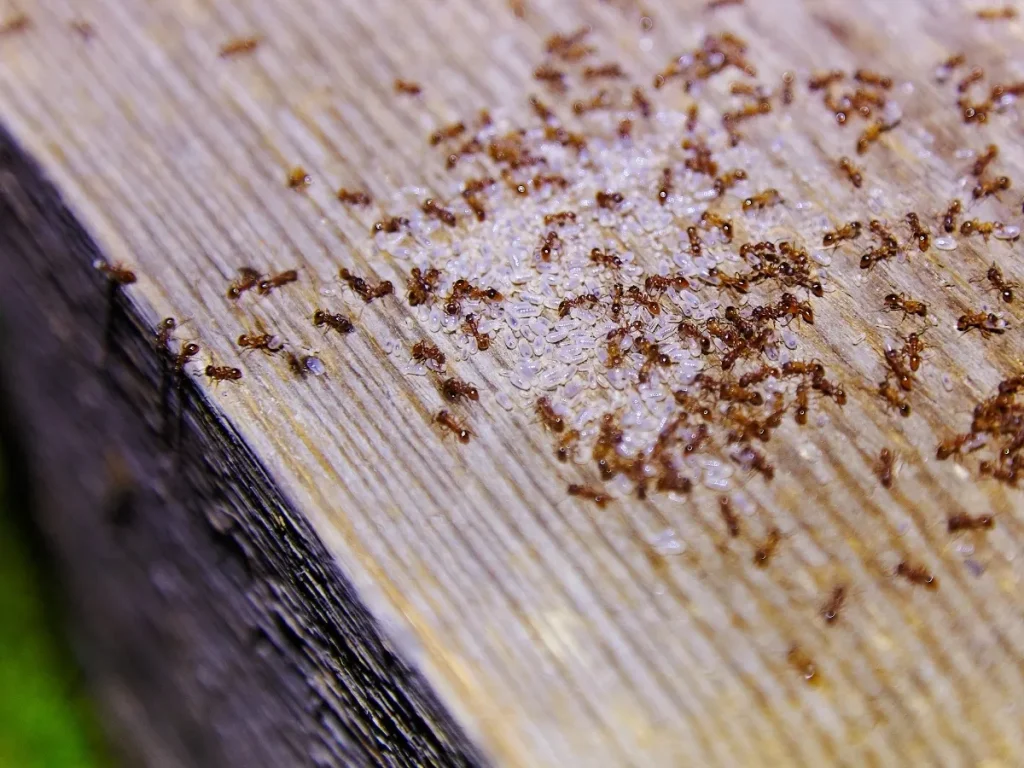
Identifying different types of ants is an important step in understanding and controlling an infestation. Although many ants appear similar, different species have unique sizes, colors, and behaviors that can help distinguish them. For example, some ants are very small and light brown, while others are larger and darker in color. Observing where ants are found, how they move, and the type of trails they form can also provide clues about the species. These details can help homeowners determine whether the ants are simply searching for food or if they may be part of a larger colony nearby.
In Canada, several ant species are commonly found in residential areas. Carpenter ants are one of the most well known because they can damage wooden structures while building their nests. They are usually larger and dark in color, often appearing black or reddish black. Pavement ants are smaller and are frequently seen along sidewalks, driveways, and foundations where they build nests in soil or under concrete. Odorous house ants are another common type that often enter homes in search of food, especially sweets. These ants are known for producing a strong smell when crushed, which helps distinguish them from other species.
Correctly identifying the species of ant is important because different ants require different control methods. Some species build nests outdoors and only enter homes to search for food, while others may nest inside walls or wooden structures. Misidentifying the type of ant can lead to ineffective treatment and allow the infestation to continue. Professional pest control technicians have the experience to identify ant species accurately and recommend appropriate solutions. At TAG Pest Control, we help homeowners determine the type of ant they are dealing with and provide targeted treatments designed to eliminate the colony and prevent future infestations.
Identifying the types of ants present in a home is important because different species behave in different ways and require specific control methods. Attempting to treat an ant problem without knowing the species may only provide temporary relief. Some ants typically live outdoors but enter homes in search of food, while others may establish nests inside wall voids, insulation, or even wooden structures. Because each species has unique nesting habits and foraging patterns, the most effective approach to control can vary significantly.
Proper identification helps determine where the ants are originating and how they are gaining access to the home. This information allows pest control professionals to target the source of the infestation rather than only addressing the visible ants. It also helps in selecting appropriate treatment methods and prevention strategies that match the behavior of the specific species. When homeowners understand which types of ants they are encountering, they can take faster and more informed action, reducing the likelihood of a small problem developing into a larger infestation.
Before learning specific species, it helps to understand the basic features of ants. All ants share certain characteristics that distinguish them from other insects. Ants have three main body sections:
They also have elbow shaped antennae and six legs. Most ants are small, but their size and colour can vary depending on the species. Another helpful feature in types of ants identification is the “node” or small bump between the thorax and abdomen. Some ants have one node, while others have two. This small detail can help identify the species.
Several ant species commonly appear in Canadian homes. Knowing their appearance and behaviour helps with accurate types of ants identification.
Carpenter ants are one of the most well known species found in homes. They are usually large and may appear black, red, or a mix of both colours. These ants can grow up to 12 millimetres long, making them larger than most other ants. Unlike termites, carpenter ants do not eat wood. Instead, they tunnel through wood to build nests. They are often attracted to damp or damaged wood. Signs of carpenter ants include:
Pavement ants are small dark brown or black ants commonly found near sidewalks and driveways. They often build nests beneath pavement, stones, or concrete slabs. These ants sometimes enter homes in search of food. They are especially attracted to sugary foods and crumbs. Pavement ants are typically about 3 millimetres long. Their slow moving trails are often visible along walls or floors. Although they rarely cause structural damage, they can become a nuisance if large colonies develop.
Odorous house ants are another common indoor pest. They are small and dark brown or black in colour. These ants are known for the strong smell they produce when crushed. Many people describe the odour as similar to rotten coconut. This unusual smell is one of the easiest ways to identify this species. Odorous house ants often form large colonies and may create multiple nesting sites. They frequently enter homes searching for sweet foods. Their small size and ability to build multiple nests can make them difficult to control without proper identification.
Pharaoh ants are extremely small and light yellow or tan in colour. They are only about 2 millimetres long, making them difficult to notice at first. These ants prefer warm indoor environments. They often nest inside walls, cabinets, or appliances. Pharaoh ants are known for spreading bacteria and contaminating food. They reproduce quickly and may create several satellite colonies. Because of their behaviour, professional pest control is usually required to eliminate them completely.
Field ants are commonly found outdoors in lawns and gardens. They build large mounds in soil and are often mistaken for carpenter ants because of their size. However, field ants usually remain outside and do not nest inside homes. They may occasionally enter houses while searching for food. These ants are typically black, brown, or red and measure around 6 to 10 millimetres in length. While they are not usually destructive, their large outdoor colonies can still become a nuisance.
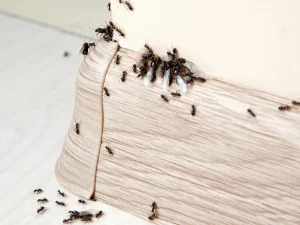
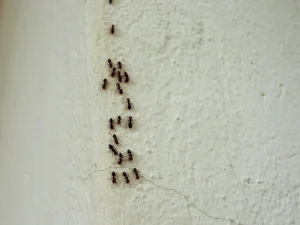
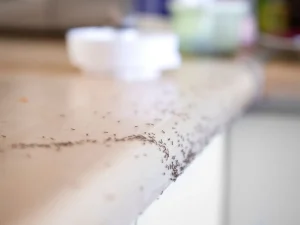
Recognizing the early signs of ant activity is an important step in identifying the types of ants that may be present in a home. Detecting these signs early makes it easier to manage the problem before the colony grows larger. One of the most noticeable indicators is the presence of ant trails along floors, countertops, or walls. These trails often form as ants travel back and forth between their nest and a food source. Homeowners may also notice ants gathering around crumbs, spills, or other food items in kitchens and dining areas. In some cases, small piles of debris or sawdust-like material near wooden structures can signal ant activity, particularly from species that interact with wood.
Another important sign to watch for is the appearance of winged ants indoors. These ants are reproductive members of the colony and typically emerge during certain times of the year to establish new nests. Seeing winged ants inside the home may indicate that a colony is located nearby or possibly within the structure itself. Additionally, nests in the soil close to the home can suggest that ants are foraging indoors for food. Paying attention to these signs can help homeowners identify potential ant problems early and take appropriate steps to prevent a larger infestation.
Ants select nesting locations based on the needs of their colony and the conditions available in their environment. Many species prefer sheltered areas where they are protected from weather, predators, and disturbances. Inside homes, ants may build nests within wall cavities, beneath floors, or behind baseboards where they can remain hidden while sending workers out to search for food. Outdoors, ants often establish colonies beneath patios, sidewalks, or driveways where the soil provides stability and protection. They may also build nests in the soil around a home’s foundation, making it easier for them to enter through small cracks or gaps.
Moisture is an important factor that attracts many types of ants, particularly species that prefer damp environments. Areas with leaky pipes, damp basements, or rotting wood can create ideal conditions for ants such as carpenter ants, which are known to nest in moist or decaying wood. These conditions not only provide shelter but also make it easier for ants to expand their colonies. Maintaining a dry and well-maintained home can help reduce the likelihood of ants establishing nests indoors. Repairing leaks, improving ventilation, and addressing moisture problems are important steps in limiting the environments where ants are most likely to thrive.
Preventing ant infestations begins with reducing the conditions that attract ants into the home. Ants are constantly searching for food, water, and shelter, and even small openings in a building can provide easy access. Sealing cracks and gaps around doors, windows, and foundations helps block common entry points that ants use to enter indoor spaces. Maintaining good sanitation is also important, as food spills, crumbs, and residue on counters or floors can quickly attract foraging ants. Cleaning these areas regularly and storing food in sealed containers helps limit the resources ants rely on to survive.
Addressing moisture problems is another key step in preventing infestations. Plumbing leaks, damp basements, and excess humidity can create environments that attract certain ant species. Repairing leaks promptly and improving ventilation helps keep indoor spaces less appealing to pests. Outdoor maintenance also plays a role, particularly by keeping garbage bins tightly sealed so that food waste does not attract ants near the home. In addition, conducting regular home inspections allows homeowners to detect early signs of ant activity and address small problems before they develop into larger infestations.
Sometimes ant colonies grow too large or are hidden inside structures. In these cases, professional pest control is often the most effective solution. At TAG Pest Control, we specialize in identifying ant species and locating their nesting areas. Accurate types of ants identification allows us to choose the right treatment for each situation.
Homeowners can learn more about our full range of pest management solutions on our pest control services page. Our treatments focus on both eliminating current infestations and preventing future ones. If you live in the region and are experiencing ant problems, our Langley pest control experts understand the ant species commonly found in local homes. Local knowledge helps us deliver faster and more effective results.
Ants may be small, but they can create significant problems when they enter homes. Different species behave in unique ways, and some can even damage structures or contaminate food. Understanding types of ants identification helps homeowners recognize what they are dealing with and respond appropriately. By learning how to identify common ants, watching for early warning signs, and maintaining a clean home, many infestations can be prevented.
Regular inspections and preventative maintenance also help keep ants from establishing colonies indoors. If you notice persistent ant activity or need help identifying the species in your home, professional support can provide lasting solutions. At TAG Pest Control, our team is dedicated to helping homeowners eliminate ant problems and protect their properties. If you need expert assistance, visit our contact page and let us help keep your home comfortable and ant free.