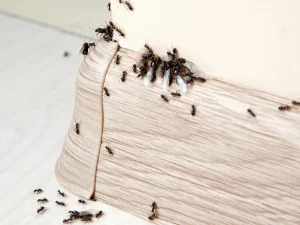
Pest Control in Surrey for Ant Problems: Local Solutions
May 18, 2026
Ant problems are common in Surrey, particularly during the spring and summer when colonies expand and worker ants actively search…
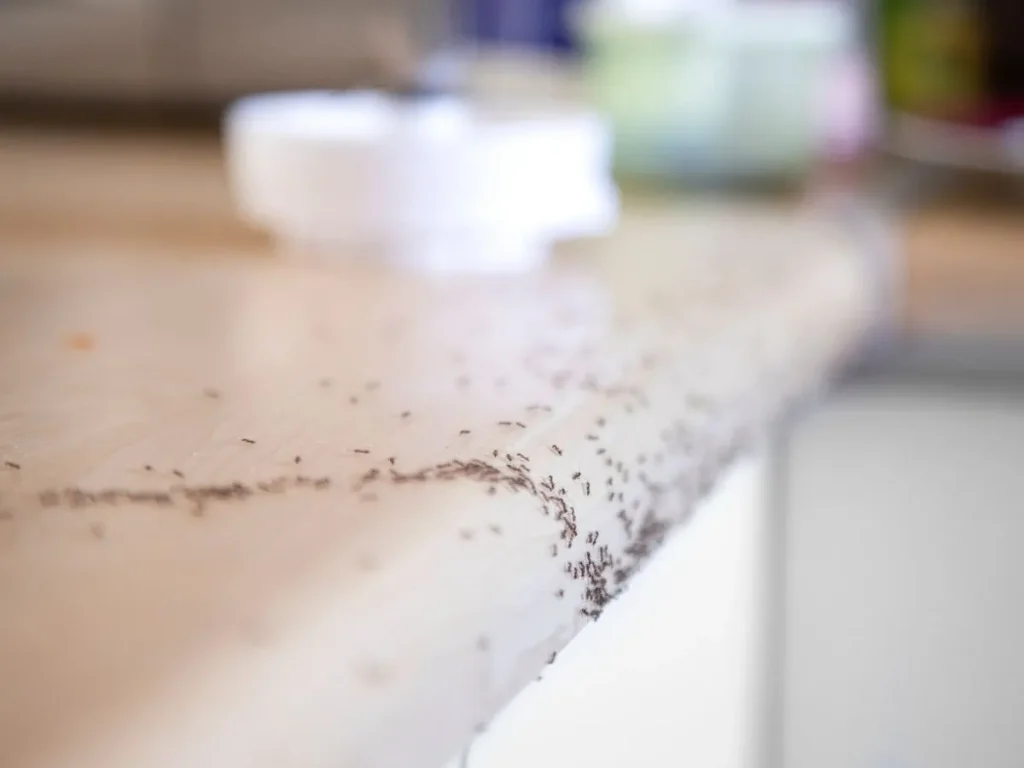
Ants in kitchen areas are one of the most common pest issues homeowners experience. These small insects are constantly searching for food, water, and safe places to shelter. Kitchens naturally provide all three, making them an ideal target for ant activity. Once a single ant finds a reliable food source, it leaves a scent trail that leads other ants from the colony directly to it. At TAG Pest Control, we often hear from homeowners who suddenly notice lines of ants traveling across countertops, floors, or around sinks, seemingly appearing overnight.
What makes ant problems so frustrating is how quickly they can develop. Even a small crumb, sugary residue, or a sticky spill can attract ants within a short amount of time. Ants are highly organized and efficient at locating food sources, which means that once they find something appealing in your kitchen, they will continue returning and bringing more members of the colony with them. If the situation is not addressed early, these repeated visits can turn into a persistent infestation that becomes harder to eliminate.
Understanding what attracts ants to your kitchen is the first step toward preventing them from entering your home. Common attractants include exposed food, crumbs on countertops or floors, unsealed containers, and moisture around sinks or appliances. By keeping kitchen surfaces clean, storing food properly, and sealing potential entry points around windows and doors, homeowners can reduce the chances of attracting ants. In this guide, we will explain the most common reasons ants are drawn to kitchens and share practical steps you can take to keep them out of your home.
Kitchens are one of the most common places where ants appear in homes because they provide the basic resources ants need to survive. Food crumbs, sugary spills, and open food containers can easily attract ants searching for nourishment. Even very small amounts of food residue on countertops, floors, or inside cabinets can be enough to draw their attention. Kitchens also provide access to moisture from sinks, dishwashers, and plumbing, which ants require for survival. These conditions make kitchens an ideal location for ants to forage and return repeatedly.
When a single ant discovers a food source, it leaves behind a scent trail that leads back to the colony. This trail acts as a guide for other ants, allowing them to follow the same path to the food. As more ants travel along the trail, it becomes stronger and more noticeable, which is why a small number of ants can quickly turn into a visible line moving across the kitchen floor or counters. Understanding these behaviors and the main causes of ants in kitchen areas can help homeowners identify what attracts them and take simple steps to eliminate those conditions before the problem spreads.
One of the biggest reasons for ants in kitchen areas is leftover food. Even the smallest crumbs can attract ants searching for energy. Ants are especially drawn to sugary foods and greasy residues. This includes items such as:
Ants have a strong sense of smell and can detect food from surprising distances. If food particles are left behind regularly, the kitchen can become a reliable feeding spot for the colony. Keeping counters and floors clean is one of the most effective ways to reduce ants in kitchen spaces.
Ants can easily find their way into food packages that are not properly sealed. Cardboard boxes, plastic bags, and thin packaging do little to stop them. Once ants find a food source inside a cabinet or pantry, they will keep returning to it. This can lead to contaminated food and repeated infestations. To reduce ants in kitchen cupboards, it helps to store food in airtight containers. Items such as sugar, cereal, flour, and pet food should always be sealed tightly. Proper storage removes easy food sources and discourages ants from exploring your kitchen.
Moisture is an essential resource for ants, and kitchens often provide several small water sources that can attract them. Even when food is not immediately available, ants may enter a kitchen in search of hydration. Common sources of moisture include leaky pipes under sinks, condensation that forms around appliances such as refrigerators or dishwashers, and damp dishcloths or sponges left on countertops. Small water spills near the sink or on kitchen floors can also provide enough moisture to attract ants.
Although these sources may seem minor, they can still encourage ants to return repeatedly to the same location. When ants discover both food and water in the same area, the kitchen becomes an even more attractive environment for them and may lead to increased activity over time. Addressing these issues can significantly reduce the likelihood of attracting ants. Fixing plumbing leaks, wiping up spills promptly, and keeping surfaces dry are simple steps that can help reduce moisture and make kitchens less appealing to ants searching for water.
Ants are very small and can enter homes through tiny openings. Cracks in walls, gaps around windows, and spaces under doors often serve as entry points. Once ants find a way inside, they leave scent trails that guide other ants directly to the food source. These trails allow entire groups of ants to follow the same path into your kitchen. Inspecting the outside of your home can help prevent ants in kitchen spaces. Sealing cracks and gaps around doors and windows can block common entry points. Reducing access makes it harder for ants to reach the food sources inside your home.
Many ants that appear indoors actually come from colonies outside. These colonies may exist in soil, gardens, or under sidewalks near your home. When food is scarce outdoors, ants search nearby structures for resources. Kitchens are often the first place they discover. Outdoor nests near foundations, patios, or walkways can lead directly to ants in kitchen areas. Professional pest control inspections can help identify these nesting sites and treat them properly.
Poor garbage management is another major factor that attracts ants to kitchens. Food waste, sugary liquids, and leftover scraps in garbage bins produce strong odors that ants can detect easily. Once ants find these food sources, they begin traveling between the garbage and other parts of the kitchen. If garbage bins are not sealed properly, ants can crawl inside and feed on the waste. Over time, this can lead to increased ant activity not only around the bin but also on nearby floors, countertops, and cabinets.
Maintaining clean and well-managed garbage areas can significantly reduce the chances of attracting ants. Using garbage bins with tight-fitting lids helps prevent ants from accessing food waste, while emptying the garbage regularly reduces the buildup of odors that attract them. It is also helpful to clean any spills or residue inside the bin, as sticky liquids and food debris can remain attractive to ants even after the trash is removed. Keeping both indoor and outdoor garbage areas clean removes an easy food source and can help limit ant activity in the kitchen.
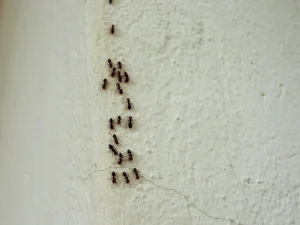
Many homeowners are surprised to see ants return even after the kitchen has been cleaned. This often happens because of the scent trails that ants leave behind as they travel. When a worker ant finds a food source, it releases a chemical trail while returning to the colony. This trail acts as a guide for other ants, allowing them to follow the same path directly to the food. As more ants travel along the route, the trail becomes stronger, which is why ants often appear in a straight line across floors, countertops, or walls.
Even after the original food source has been removed, the scent trail can remain on surfaces for a period of time. Other ants may continue following the trail because the chemical signal is still present. This can make it seem as though ants are returning for no reason, when they are actually responding to the remaining scent markers. Thoroughly cleaning the affected areas with vinegar or mild household cleaners can help break down these chemical trails. Removing the trail makes it more difficult for ants to navigate back to the same location, which can help reduce repeated ant activity in kitchen areas.
Many homeowners try home remedies when they notice ants in kitchen areas. While sprays or traps may kill visible ants, they rarely address the root of the infestation. The main colony often remains hidden behind walls, outside in soil, or beneath structures. As long as the colony survives, worker ants will continue entering the home. Professional pest control focuses on locating and treating the source of the infestation. At TAG Pest Control, our trained technicians identify the type of ants involved and apply targeted treatments. You can learn more about our professional pest control services designed to eliminate ant problems effectively.
Professional pest control focuses on eliminating the root cause of an ant problem rather than simply removing the ants that are visible inside the home. The process typically begins with a thorough inspection of the property, during which technicians identify entry points, locate areas of activity, and determine where the ant colony may be established. Based on this assessment, they develop a targeted treatment plan designed to address the infestation effectively.
This plan may include the use of specialized ant bait systems that attract worker ants and carry treatment back to the colony, safe treatment of nesting areas, sealing of entry points to prevent further access, and preventative treatments applied around the home’s exterior. By targeting the colony itself and addressing the conditions that allow ants to enter, professional pest control provides a more complete and long-lasting solution to ant infestations. Homeowners in British Columbia can rely on trusted Langley pest control services to handle ant infestations safely and effectively.
Preventing ants in kitchen spaces often depends on maintaining consistent cleaning habits and reducing the conditions that attract them. Ants are constantly searching for food, and even small crumbs or sticky spills can be enough to draw them inside. Wiping countertops and tables regularly helps remove food residue that ants might detect. Sweeping or vacuuming floors also prevents crumbs from building up in corners and along baseboards, where ants commonly travel. Storing food in sealed containers further limits access to items that might otherwise attract ants into the kitchen.
In addition to cleaning, simple maintenance steps can help keep ants from entering the home in the first place. Fixing leaks under sinks removes moisture that ants may seek out, while sealing cracks and small openings around windows, doors, and walls reduces potential entry points. These small gaps can allow ants to move from outside into kitchen areas without being noticed. By combining regular cleaning with basic home maintenance, homeowners can make their kitchens far less appealing to ants and reduce the chances of an infestation developing over time.
If ants continue returning even after cleaning and sealing entry points, there may be a larger colony nearby. Repeated ant trails often mean the nest is well established. Professional pest control experts can identify the species of ants and determine where they are nesting. This makes it possible to treat the problem at its source. If you are struggling with ants in kitchen areas, you can reach our team through our contact page to schedule an inspection.
Ants in kitchen spaces can quickly become frustrating when they appear day after day. By understanding what attracts them and removing those food and water sources, homeowners can greatly reduce the chances of an infestation. However, when ants continue returning, professional help may be the best solution. At TAG Pest Control, we help homeowners eliminate ant problems and prevent them from coming back. With the right treatment and prevention plan, your kitchen can remain clean, comfortable, and free from unwanted pests.