Why Sealing Cracks and Gaps Prevents Pest Infestations
May 22, 2026
Sealing cracks and gaps around a home is one of the most effective ways to prevent pests from entering in…
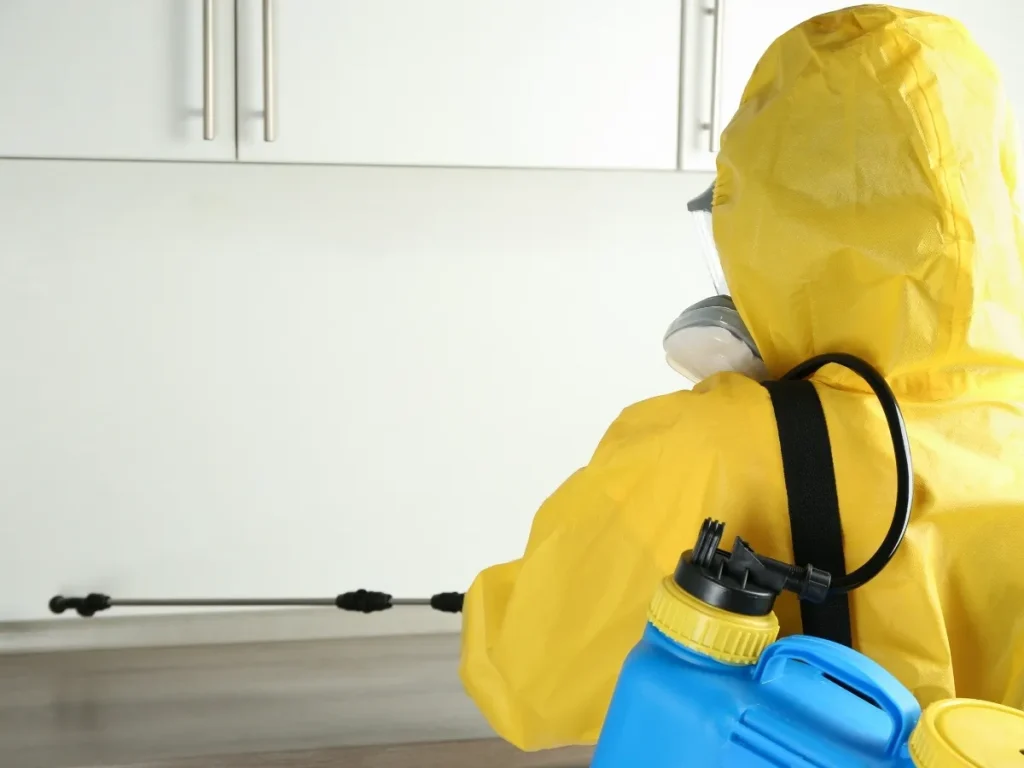
A professional pest inspection involves a careful examination of both the interior and exterior of a property to identify signs of pest activity. During the inspection, a trained technician looks for evidence such as droppings, damaged wood, nests, entry points, and other indicators that pests may be present. The inspector will typically check common problem areas including kitchens, bathrooms, basements, attics, crawl spaces, and storage areas where pests are most likely to hide. Outside the home, the technician may also examine the foundation, landscaping, and any cracks or gaps that could allow pests to enter. This detailed process helps ensure that no potential problem areas are overlooked.
In addition to searching for active pests, the inspection also focuses on identifying conditions that may attract pests in the future. Inspectors look for factors such as excess moisture, poor sanitation, structural gaps, and clutter that can provide food, water, or shelter for insects and rodents. By identifying these risk factors early, homeowners can address them before they lead to a full infestation. The goal of the inspection is not only to find current pest problems but also to prevent future ones by recognizing the conditions that allow pests to thrive.
After completing the inspection, the pest control professional typically explains their findings and provides recommendations for treatment or prevention. This may include targeted pest control treatments, sealing entry points, improving sanitation, or correcting moisture issues around the home. A professional inspection provides homeowners with a clear understanding of the pest risks affecting their property and the steps needed to address them. At TAG Pest Control, thorough inspections are a key part of protecting homes and creating effective pest management plans tailored to each property.
Pest problems often develop gradually and may go unnoticed until the infestation becomes more severe. Many insects and rodents hide in walls, basements, crawl spaces, or other hard-to-reach areas, making them difficult to detect during normal daily activities. By the time visible signs appear, such as droppings, damaged materials, or sightings of pests, the problem may already be well established. A professional inspection helps identify these issues early, allowing them to be addressed before they grow into larger and more expensive problems.
In addition to detecting existing infestations, pest inspections also help protect a home from future risks. Certain pests can damage property by chewing through materials, nesting in insulation, or contaminating stored food. Some may also carry bacteria that can affect household health. During a professional pest inspection, trained inspectors carefully evaluate areas of the home where pests are likely to enter, hide, or find resources. Even if no active infestation is discovered, the inspector can point out conditions that might attract pests later, such as moisture problems or structural gaps. This proactive approach helps homeowners maintain a safer living environment while protecting the long-term value of their property.
While inspections are helpful at any time, certain situations make them especially important. Homeowners often request inspections when they notice signs of pest activity or want reassurance that their home is protected. You may want to schedule a pest inspection if you notice:
Inspections are also commonly done during real estate transactions. Buyers often request a pest inspection to ensure the property is free from infestations before purchasing.
Preparing your home before a pest inspection can help ensure the process is thorough and efficient. While extensive preparation is usually not necessary, taking a few simple steps can make it easier for inspectors to access areas where pests commonly hide. Homeowners should consider clearing items away from walls in spaces such as basements, garages, and utility rooms so inspectors can examine corners, baseboards, and other hidden spots. These locations often provide shelter for pests, and unobstructed access allows inspectors to check for signs of activity more effectively.
It is also helpful to secure pets and make sure that inspectors can reach key areas of the home, including crawl spaces, attics, and mechanical or storage rooms. Ensuring these areas are accessible allows the inspector to perform a more complete evaluation of the property. In addition, homeowners should share any relevant information about recent pest sightings, unusual sounds, or signs such as droppings or damaged materials. Providing these details can help guide the inspection and allow potential problems to be identified more quickly and accurately.
A pest inspection follows a systematic process designed to evaluate every area of the property. Experienced technicians know where pests commonly hide and how to detect early warning signs. Below are the key steps involved in the professional pest inspection process.
The inspection usually begins with a conversation between the technician and the homeowner. During this time, the inspector asks questions about any pest activity you may have noticed. Homeowners might describe where they saw insects, heard noises, or found damage. This information helps guide the inspection and ensures no important areas are overlooked. The technician may also ask about past pest problems or previous treatments. Understanding the property’s history helps create a clearer picture of potential risks.
After the discussion, the technician typically begins by inspecting the outside of the home. Many pest issues start outdoors before pests move inside. The inspector carefully examines the foundation, siding, roofline, and entry points around the property. Cracks, gaps, and damaged materials can provide easy access for insects and rodents. Landscaping is also reviewed during this step. Overgrown vegetation, standing water, and wood piles near the house can create ideal conditions for pests.
Once the exterior inspection is complete, the technician moves inside the home. The professional pest inspection process involves checking several key areas where pests often hide. These areas commonly include:
Inspectors look for visible pests as well as signs such as droppings, nests, or damaged materials. Even small clues can reveal the presence of pests that remain hidden during the day.
Moisture is one of the most common factors that attract pests. During the inspection, technicians check for leaks, humidity, and damp areas that may encourage pest activity. Water damage, mould, and soft wood can also indicate potential pest problems. Certain pests, such as termites and carpenter ants, are especially attracted to damp wood. By identifying these conditions early, homeowners can address problems before pests take advantage of them.
A critical part of the professional pest inspection process is locating how pests may enter the home. Even small openings can allow insects and rodents to slip inside. Inspectors check around doors, windows, vents, pipes, and utility lines for gaps. They also examine weather stripping and seals that may have worn down over time. Once these entry points are identified, technicians can recommend ways to seal them and reduce the risk of future infestations.
During a pest inspection, technicians look for signs of a wide range of pests that commonly invade residential properties. Different pests tend to appear in different environments depending on factors such as moisture, food availability, and shelter. For example, ants are often found near kitchens or food storage areas, while cockroaches typically hide in warm, humid spaces such as under sinks or behind appliances. Rodents like mice and rats may be detected in basements, attics, or wall cavities where they can build nests and search for food. Inspectors also watch for structural pests such as termites and carpenter ants, which can damage wood and weaken parts of the home over time.
Other pests may also be identified during the inspection process depending on the property and surrounding environment. Spiders often appear in quiet, undisturbed areas where they can build webs and capture insects, while wasps may build nests around rooflines, eaves, or outdoor structures. Even when pests are not immediately visible, trained inspectors can recognize early warning signs such as droppings, nesting materials, wood damage, or entry points around the home. Identifying these indicators early allows homeowners to address potential problems before infestations grow larger and more difficult to manage.
After completing a pest inspection, the technician typically reviews their findings with the homeowner to ensure a clear understanding of the situation. This stage of the professional pest inspection process is important because it provides insight into any pest activity discovered during the assessment. The technician may explain where pests were found, how they may have entered the property, and what conditions within the home may be contributing to the problem. By discussing these details, homeowners gain a better understanding of the factors that influence pest infestations and the steps needed to address them.
In many cases, the inspector will also provide a written report summarizing the inspection results. This document often outlines evidence of pest activity, such as droppings, nests, or damage, as well as areas of concern that could potentially attract pests in the future. The report usually includes practical recommendations, such as sealing cracks and entry points, improving ventilation to reduce moisture, or addressing sanitation issues. If active pests are present, the technician may also suggest treatment options tailored to the specific problem. These recommendations help homeowners take preventive measures that reduce the risk of future infestations and support long-term protection of the property.
If pests are discovered during the inspection, the technician will recommend the most effective treatment options. The type of treatment depends on the pest species, the size of the infestation, and the layout of the property. At TAG Pest Control, we tailor each solution to the specific situation. Our team focuses on eliminating pests while also addressing the conditions that allowed them to enter. Homeowners can learn more about our treatment options by visiting our pest control services page. For residents dealing with local infestations, our Langley pest control team provides targeted solutions designed for the area.
The length of a pest inspection can vary depending on several factors, including the size of the property, the layout of the home, and the overall condition of the building. In most cases, a standard residential pest inspection takes between 30 minutes and one hour to complete. During this time, the technician carefully examines key areas such as kitchens, bathrooms, basements, garages, and the exterior foundation where pest activity is most likely to occur. The inspector may also check for signs such as droppings, nesting materials, damage to wood, and entry points that pests may be using to access the home.
Larger properties or homes with additional features like crawl spaces, attics, or extensive storage areas often require more time to inspect thoroughly. These areas can sometimes be difficult to access but are important to examine because they frequently provide shelter for pests. A careful inspection ensures that hidden signs of activity are not overlooked. Professional pest control technicians focus on completing the process methodically rather than rushing through it, as missing early indicators of infestation could lead to more serious problems later. Taking the necessary time allows the inspector to provide accurate findings and helpful recommendations for protecting the property.
Preventing future pest problems begins with maintaining a home environment that is less attractive to insects and rodents. After a pest inspection, homeowners are often advised to take proactive steps that address the conditions pests depend on for survival. Sealing cracks and entry points around windows, doors, and foundations helps block the small openings pests commonly use to enter a building. Repairing leaks and controlling excess moisture is also important, as damp environments can attract a wide variety of pests. In addition, storing food in sealed containers prevents pests from accessing easy food sources that could encourage them to settle inside the home.
Maintaining clean and organized spaces also plays a significant role in long-term pest prevention. Garbage areas should be kept secure and cleaned regularly to avoid attracting insects and rodents searching for food. Proper sanitation in kitchens, storage rooms, and outdoor areas can significantly reduce the chances of pest activity developing. Scheduling regular pest inspections is another helpful habit, as professional technicians can identify early warning signs before a small issue becomes a larger infestation. When these preventive practices are followed consistently, they help create an environment that discourages pests and supports effective, long-term pest control.
Understanding the professional pest inspection process helps homeowners see how valuable these visits can be. Inspections provide early detection, expert guidance, and peace of mind. They also help prevent costly damage by identifying pest activity before it spreads. If you suspect pests may be present or simply want reassurance that your home is protected, scheduling an inspection is a smart step. The experienced team at TAG Pest Control provides detailed inspections and reliable solutions tailored to your property. If you would like to book an inspection or learn more, feel free to contact our team today and take the first step toward a safer, pest free home.