
Rodent Control in Coquitlam: Early Warning Signs
July 10, 2026
Rodents are a frequent concern for homeowners in Coquitlam, particularly during colder months when mice and rats look for warmth…
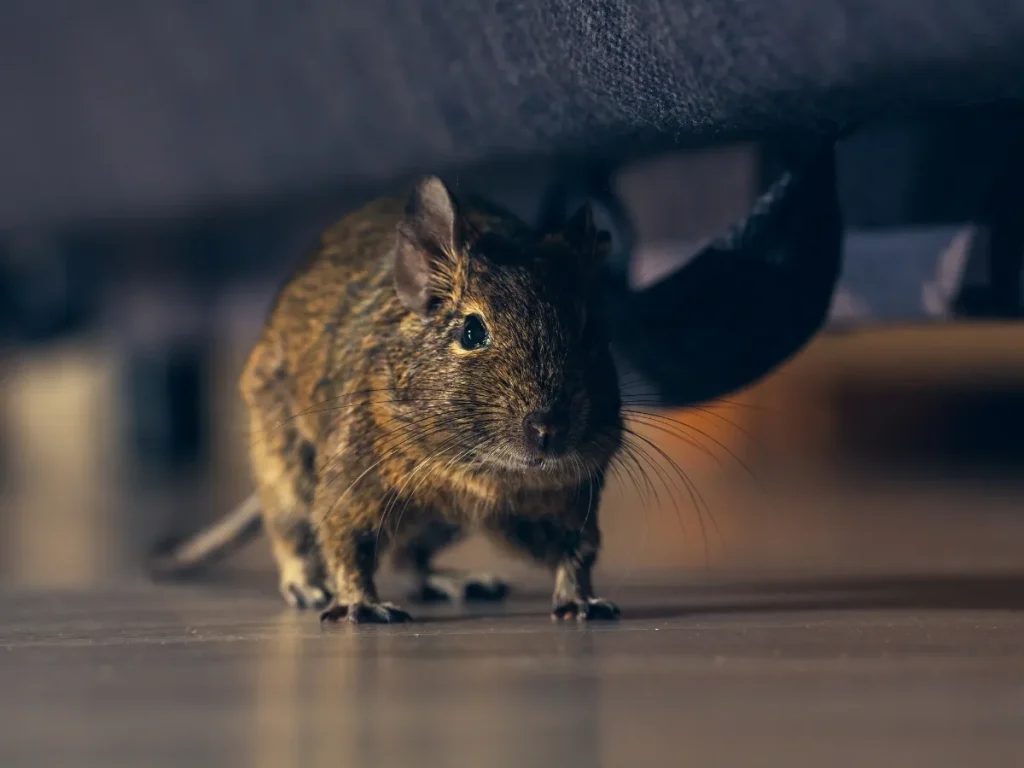
Hearing scratching, rustling, or scurrying sounds inside your walls can be one of the earliest signs of a hidden rodent nest. Mice and rats are nocturnal animals, which means they are most active at night when the house is quiet. Homeowners may notice these sounds coming from behind walls, ceilings, or near vents and pipes. These noises often occur when rodents are moving through wall cavities, gathering nesting materials, or searching for food. Because wall spaces are rarely disturbed, rodents can create nests and remain hidden for long periods without being immediately detected.
Another common sign of rodents nesting inside walls is the presence of droppings or unusual odors around the home. Rodent droppings are often found near baseboards, inside cabinets, or in storage areas close to where they travel. A strong, musky smell may also develop as rodents continue to live and nest within the walls. In some cases, homeowners may notice grease marks or small holes along walls and floors where rodents frequently pass through. Damaged food packaging, shredded paper, and bits of insulation may also appear as rodents collect materials to build their nests.
If rodents remain undetected for too long, they can cause serious damage to a home. Mice and rats constantly chew to keep their teeth from growing too long, which means they may gnaw on wood, drywall, insulation, and even electrical wiring. This behavior can lead to costly repairs and potential fire hazards. In addition, rodents can carry bacteria and contaminate surfaces or food supplies. Identifying these warning signs early is essential for preventing a larger infestation. Professional pest control services, such as those provided by TAG Pest Control, can locate hidden nests, safely remove rodents, and help protect homes from future infestations.
Rodents naturally seek environments that provide safety, warmth, and minimal disturbance, which makes wall cavities an ideal hiding place. The spaces inside walls are typically dark, quiet, and rarely accessed by people, allowing mice and rats to move around without being noticed. These areas also offer protection from outdoor weather conditions and predators, creating a stable environment where rodents can live and nest. Because kitchens, pantries, and other food sources are often located nearby, wall cavities give rodents convenient access to the resources they need. For this reason, rodents in walls are a common problem in many Canadian homes.
After entering a house, rodents often move through small openings around pipes, vents, wiring, and structural gaps that connect different parts of the building. These pathways allow them to travel easily from one wall cavity to another. Inside the walls, rodents collect materials such as insulation, shredded paper, cardboard, or fabric to build nests. These nests help retain warmth and provide a safe place for raising their young. Since rodents reproduce quickly, a single nesting site can lead to a growing population in a relatively short time. If the problem is not detected early, rodents may spread throughout multiple areas of the home, making the infestation more difficult to control.
One of the most noticeable signs of rodents in walls is unusual noise. Homeowners often hear scratching, scurrying, or light tapping sounds coming from behind walls or ceilings. These noises are usually more noticeable at night when rodents are most active. Mice and rats spend much of the night searching for food and moving between nesting areas.
As they travel through wall cavities, they may scratch against wood or drywall. The sounds can vary depending on the size of the rodent and the structure of the home. Mice tend to create lighter scratching sounds, while rats produce heavier movements. If these noises occur regularly, it may indicate a nest nearby. Paying attention to when and where the sounds occur can help identify the problem area.
Another common sign of rodents in walls is an unusual smell. Rodent nests can produce strong odours caused by droppings, urine, and nesting materials. Over time, these smells may become noticeable in certain areas of the home. In some cases, a rodent may die inside the wall cavity. This can create a strong, unpleasant odour that spreads through the house. The smell may linger for several days or even weeks depending on the location. Homeowners may notice the odour near kitchens, bathrooms, or other areas where rodents search for food. If a persistent smell is coming from inside the walls, it may indicate hidden rodent activity.
While rodents may nest inside walls, they still travel throughout the home in search of food. During these trips, they leave droppings behind. Finding small droppings is often a clear sign that rodents in walls may be present. Rodent droppings are usually found in:
These droppings are typically small, dark, and shaped like grains of rice. The presence of fresh droppings suggests that rodents are actively moving through the home. If droppings appear repeatedly, there may be a nest nearby inside the walls.
Rodents constantly chew on materials to keep their teeth from growing too long. As a result, chewing damage is another common sign of rodents in walls. Mice and rats may gnaw on wood, plastic, insulation, and even electrical wiring. Chewed wires can create serious safety risks. Damaged wiring may lead to electrical malfunctions or even fires in severe cases. Rodents may also chew holes in drywall or wooden structures while expanding their nesting areas. Signs of rodent chewing may include:
Rodents often travel along the same paths inside a home. As they move through tight spaces, the oils and dirt on their fur can leave marks along walls and surfaces. These marks are another indicator of rodents in walls. Smudge trails may appear along baseboards, wall edges, or near entry points. Over time, these marks become darker as rodents continue to use the same route. You may also notice footprints in dusty areas such as basements or attics. Tracking these trails can sometimes reveal where rodents are entering the walls or where their nests may be located.
Rodents are primarily nocturnal animals, meaning they are most active after dark. This behaviour is another clue that can help homeowners detect rodents in walls. During the night, rodents leave their nests to search for food and water. Homeowners may hear movement behind walls, under floors, or in ceilings during quiet nighttime hours. Pets may also react to rodent activity by staring at walls or scratching at certain areas. Cats and dogs often notice rodent movement before people do. If activity increases at night, it may indicate that rodents are nesting nearby and travelling through the walls.
Rodent nests hidden inside walls, attics, or other concealed areas may appear harmless at first, but they can create serious problems for homeowners over time. As rodents build and expand their nests, they often chew through insulation, wood, and other structural materials. One of the most concerning issues is their tendency to gnaw on electrical wiring, which can increase the risk of electrical failures or even fire hazards. Damage to insulation can also reduce a home’s energy efficiency, leading to higher heating or cooling costs. Over time, this type of destruction can result in expensive repairs and structural concerns if the infestation continues unchecked.
In addition to property damage, rodent nests can also create health and sanitation risks. Rodents leave behind droppings, urine, and nesting materials that can contaminate surfaces, food storage areas, and the surrounding air. These contaminants may carry bacteria and other pathogens that could affect human health. Furthermore, rodent nests sometimes attract additional pests such as insects that feed on waste or nesting materials, which can worsen the overall pest problem. Because nests hidden inside walls or other enclosed spaces are difficult to locate and access, removing them can be challenging without proper tools and expertise. For this reason, professional pest control services are often required to safely eliminate the infestation and prevent rodents from returning.
Understanding how rodents enter a home is an important step in preventing infestations. In many cases, rodents gain access through small openings on the exterior of a building. Mice and rats are highly adaptable animals that can climb, squeeze, and navigate through very narrow spaces. Even small structural gaps can become entry points if they are left unsealed. Once inside, rodents often search for quiet areas where they can hide, build nests, and find easy access to food and water.
Several common entry points around a home allow rodents to get inside. Cracks in foundations, gaps around doors and windows, and openings surrounding pipes or ventilation systems are frequent access routes. Damaged siding, loose roof edges, or poorly sealed utility lines entering the home can also create opportunities for rodents to slip indoors. After finding an entry point, rodents can quickly move into wall cavities where they remain hidden while building nests and expanding their activity throughout the structure. Sealing these gaps with proper materials and regularly inspecting the exterior of the home are essential steps for reducing the risk of rodents entering and settling inside walls.
Preventing rodents from nesting in your walls starts with reducing the conditions that attract them to your home. Rodents search for places that provide food, water, warmth, and safe shelter, so removing these resources can greatly lower the risk of an infestation. Keeping living spaces clean and properly storing food makes it harder for rodents to find something to eat. At the same time, sealing entry points around the home prevents them from accessing hidden areas such as wall cavities where they prefer to build nests.
Several practical steps can help protect your home from rodent activity. Storing food in airtight containers and keeping kitchen surfaces clean reduces the availability of crumbs and food scraps. Sealing cracks, gaps, and other openings around the exterior of the house helps block common entry routes that rodents might use. Trimming tree branches that touch the house prevents rodents from using them as pathways to reach the roof or upper walls. Removing clutter from basements, garages, and storage spaces eliminates potential nesting areas, while fixing leaks removes water sources that attract pests. Regularly inspecting both the inside and outside of your home can help identify small problems early and allow you to address them before rodents settle inside the walls.
If you suspect rodents in walls, it is important to address the problem quickly. Rodent infestations rarely resolve on their own and often become worse over time. Traps and store bought products may not reach nests hidden inside wall cavities. Professional pest control technicians have the tools and experience needed to locate nests and remove infestations safely.
They can also identify how rodents entered the home and help prevent them from returning. At TAG Pest Control, we provide effective solutions designed to eliminate rodents and protect your home. Our experienced team uses proven methods to handle rodent infestations safely. You can learn more about our pest control services and how we help homeowners deal with hidden rodent problems.
Rodent activity can vary depending on location, nearby green spaces, and weather conditions. Homeowners in Langley often experience rodent problems during fall and winter when pests search for warm shelter. Our team understands the pest challenges that affect homes in this area. We provide targeted treatments designed to remove rodents and prevent them from returning. Our goal is always long term protection and peace of mind for homeowners. If you suspect rodent activity in your home, our Langley pest control specialists are ready to help with reliable solutions.
Recognizing the signs of rodents in walls can help homeowners take action before infestations become severe. Scratching noises, droppings, strange odours, and chewing damage are all common warning signs. Acting quickly can prevent further damage and protect your home. Because rodent nests are often hidden deep within walls, professional pest control is usually the most effective solution. Experienced technicians can identify entry points, remove rodents, and help prevent future infestations.
If you notice signs of rodent activity in your home, it may be time to take action. Our team is here to help you protect your property and restore comfort to your living space. You can easily contact our team to schedule an inspection. Keeping rodents out of your walls is essential for maintaining a safe and healthy home. At TAG Pest Control, we are committed to providing reliable pest control solutions that keep homes protected all year long.