How to Prevent Rodent Infestations in Langley Properties
May 6, 2026
Rodent prevention starts with understanding how mice and rats enter a property in the first place. In Langley, the mix…
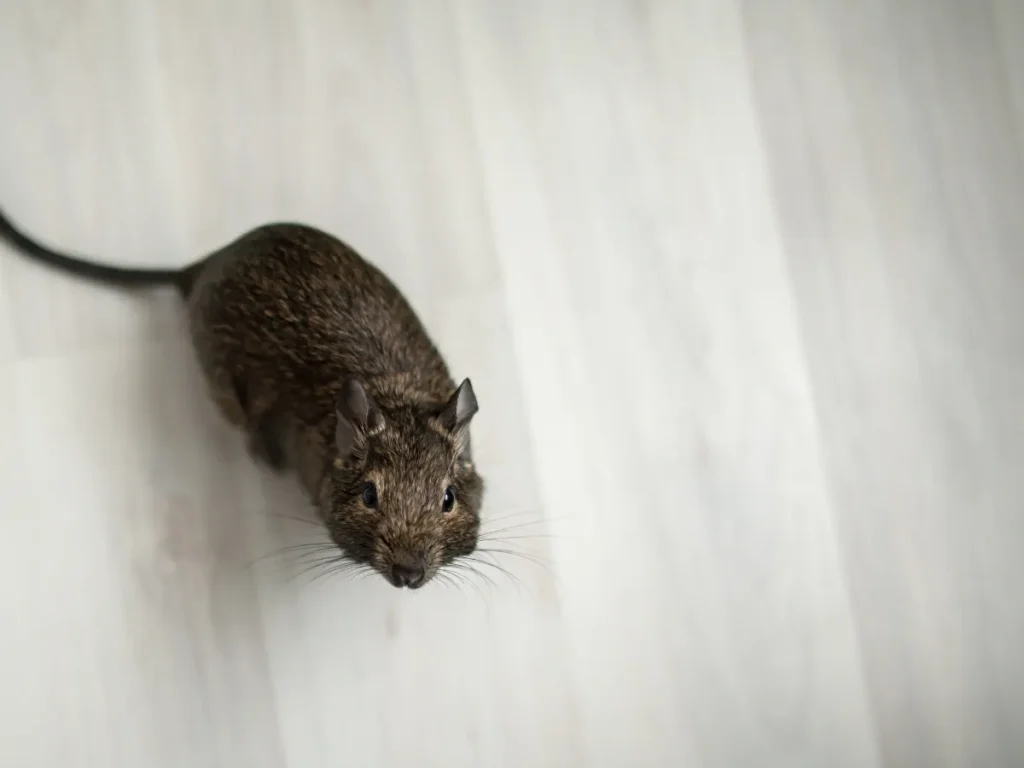
Attics provide an ideal environment for rodents because they are warm, quiet, and rarely disturbed. Mice and rats often look for spaces where they can build nests safely and stay protected from predators and harsh weather. Once inside an attic, rodents may use insulation, cardboard, or stored materials to create nesting areas. They can also travel through roof gaps, vents, and small openings around pipes or cables. Because these entry points are often difficult to notice, rodents may live in an attic for long periods before homeowners become aware of the problem.
Preventing rodents from entering the attic begins with identifying and sealing possible entry points around the roof and upper structure of the home. Even small gaps along rooflines, damaged vents, or loose shingles can provide enough space for rodents to squeeze through. Installing durable vent covers, repairing roof damage, and sealing openings with appropriate materials can help block access. Keeping tree branches trimmed away from the roof can also reduce the chances of rodents climbing onto the house and entering through the attic.
Regular inspections and good attic maintenance are important for long-term rodent prevention. Homeowners should periodically check for signs such as droppings, shredded insulation, scratching noises, or unusual odors that could indicate rodent activity. Keeping stored items organized and limiting clutter can also reduce potential nesting areas. If signs of rodents are discovered, addressing the issue quickly can prevent a small problem from becoming a larger infestation. Professional pest control services, such as those provided by TAG Pest Control, can help inspect the attic, remove rodents safely, and implement preventative measures to keep the space protected.
Attics often provide ideal conditions for rodents because these spaces offer warmth, shelter, and minimal human disturbance. Most attics remain dark and quiet for long periods, making them attractive places for rodents to hide and build nests. The insulation found in many attics also helps maintain a stable temperature, which is especially appealing during colder seasons. Understanding these factors is important for effective rodents in attic prevention, as it helps homeowners recognize why these areas are commonly targeted by mice and rats.
Rodents typically enter homes while searching for food and protection from outdoor weather. Once inside, they explore different parts of the house looking for safe nesting locations. Attics are particularly appealing because they are close to structural materials that rodents can use to create nests. Items such as insulation, cardboard boxes, stored fabrics, and paper materials can easily be shredded and used as nesting material. If rodents gain access to the attic, they may remain there for long periods and gradually expand their nests, which can lead to a growing infestation if the problem is not addressed early.
One of the biggest challenges in rodents in attic prevention is identifying how rodents get inside. Mice and rats are excellent climbers and can squeeze through very small openings. Even a tiny gap in your home’s exterior can provide access. Common entry points for rodents include:
Rodents often climb trees, fences, or nearby structures to reach the roof. From there, they look for weak points where they can enter the attic. Regularly inspecting your home’s exterior can help identify these entry points before rodents find them.
Early detection is an important part of effective rodents in attic prevention. Because attics are not frequently visited, rodents can sometimes live there for long periods before homeowners notice their presence. Paying attention to early warning signs can help identify the problem before it develops into a larger infestation. Recognizing these signs allows homeowners to take action sooner and reduce the potential damage caused by rodents. Several indicators may suggest rodent activity in the attic.
Scratching or scurrying noises heard at night are one of the most common signs, as rodents are typically most active during quiet nighttime hours. Droppings found near insulation, stored items, or attic pathways may also indicate their presence. Rodents often chew on wires, wooden materials, or stored objects, leaving visible damage behind. Shredded insulation, paper, or fabric may be used to build nests, and unusual or musty odours in the attic area can sometimes signal rodent activity. If any of these signs appear, it may indicate that rodents have already entered the attic and started nesting, making it important to address the situation promptly.
Sealing entry points is one of the most important steps in rodents in attic prevention. Blocking access prevents rodents from entering the attic in the first place. Homeowners should inspect the roofline, vents, and exterior walls for any gaps or damage. Roof vents should have secure covers that prevent rodents from squeezing through. Repairing loose shingles or damaged siding can also eliminate entry points. Pay close attention to areas where pipes or cables enter the house. These openings often leave small gaps that rodents can use. Sealing them properly can help keep pests outside where they belong.
Maintaining the area around your home is an important part of effective rodents in attic prevention. Rodents are skilled climbers and often use nearby trees or dense vegetation as pathways to reach rooftops. When branches touch or hang close to the roof, they create easy access points that allow rodents to move from trees directly onto the house. From there, rodents may find small openings near vents, roof edges, or siding that lead into the attic.
Keeping trees trimmed so that branches remain several feet away from the roof can significantly reduce these access routes. Shrubs and bushes near the foundation should also be regularly maintained to prevent rodents from hiding close to the house or using vegetation as cover while searching for entry points. In addition, removing outdoor clutter such as wood piles, fallen branches, or yard debris can help discourage rodents from settling near the property. A clean and well-maintained yard makes it more difficult for rodents to approach the home without being noticed, helping reduce the risk of attic infestations.
A cluttered attic can create perfect nesting areas for rodents. Boxes, paper, and fabric materials provide ideal building materials for rodent nests. Keeping the attic clean is an important part of rodents in attic prevention. Try to store items in sealed plastic containers instead of cardboard boxes. Plastic containers are harder for rodents to chew through and provide better protection for stored belongings. Maintaining an organized attic also makes it easier to detect signs of rodent activity early. When spaces are clean and accessible, homeowners can spot droppings, nests, or damage more quickly.
Rodents often chew through insulation and wiring when they build nests in attics. This behaviour can lead to costly repairs and even fire hazards. Protecting these materials is another key part of rodents in attic prevention. Damaged insulation reduces energy efficiency and may create uncomfortable indoor temperatures. Chewed electrical wires can lead to dangerous electrical problems if left unchecked. Regular attic inspections can help detect these issues before they become serious. If you notice damaged insulation or wiring, it may indicate rodent activity nearby.
Even though rodents may choose attics for nesting, they still need reliable sources of food and water to survive. When these resources are easily available around a property, rodents are more likely to remain nearby and eventually look for shelter inside the home. Reducing access to food is therefore an important part of effective rodents in attic prevention. By limiting what attracts rodents outdoors, homeowners can decrease the chances of them approaching the house in the first place.
Several common outdoor food sources can attract rodents if they are not managed carefully. Open garbage bins, pet food stored outside, bird feeders placed too close to the house, fallen fruit from trees, and food waste left in outdoor areas can all provide easy meals. Keeping garbage bins tightly sealed and regularly cleaning outdoor spaces helps remove these attractants. It is also helpful to store pet food securely and manage fallen fruit or other organic debris in the yard. When rodents cannot easily find food near a home, they are less likely to stay in the area or attempt to move into attic spaces for shelter.
Sometimes rodents manage to enter attics despite prevention efforts. Once they establish nests, removing them can be challenging without professional assistance. Rodents often hide deep within insulation or structural spaces. Professional pest control technicians can inspect the attic, locate nesting areas, and remove rodents safely. They also help identify entry points that allowed rodents inside.
This is an important step in long term rodents in attic prevention. At TAG Pest Control, we provide effective solutions to remove rodents and prevent them from returning. Our experienced technicians use proven methods to protect homes from rodent infestations. You can learn more about our pest control services and how we help homeowners keep pests out.
Rodent problems are common in many residential areas, especially during fall and winter when pests search for warm shelter. Attics often become one of the first places rodents settle once they enter a home. Our team understands the pest challenges that affect homeowners in Langley. We provide targeted solutions designed to remove rodents and protect homes from future infestations. Our goal is to ensure your home remains safe and comfortable throughout the year. If you are dealing with rodent activity, our Langley pest control specialists are ready to help with reliable pest control services.
Taking steps toward rodents in attic prevention helps protect your home from damage, health risks, and unwanted stress. Sealing entry points, maintaining your roof, and keeping the attic clean can greatly reduce the chances of rodents moving in. However, once rodents establish nests in the attic, professional removal is often the safest and most effective solution. Pest control specialists have the experience needed to locate nests, remove rodents, and prevent future problems.
If you suspect rodents may be entering your attic, it is best to address the issue quickly. Our team is ready to help protect your home and restore peace of mind. You can easily contact our team to schedule an inspection. A well protected attic is an important part of a pest free home. At TAG Pest Control, we are committed to helping homeowners prevent rodent infestations with reliable, long lasting pest control solutions.