Pest Control in Surrey for Ant Problems: Local Solutions
May 18, 2026
Ant problems are common in Surrey, particularly during the spring and summer when colonies expand and worker ants actively search…
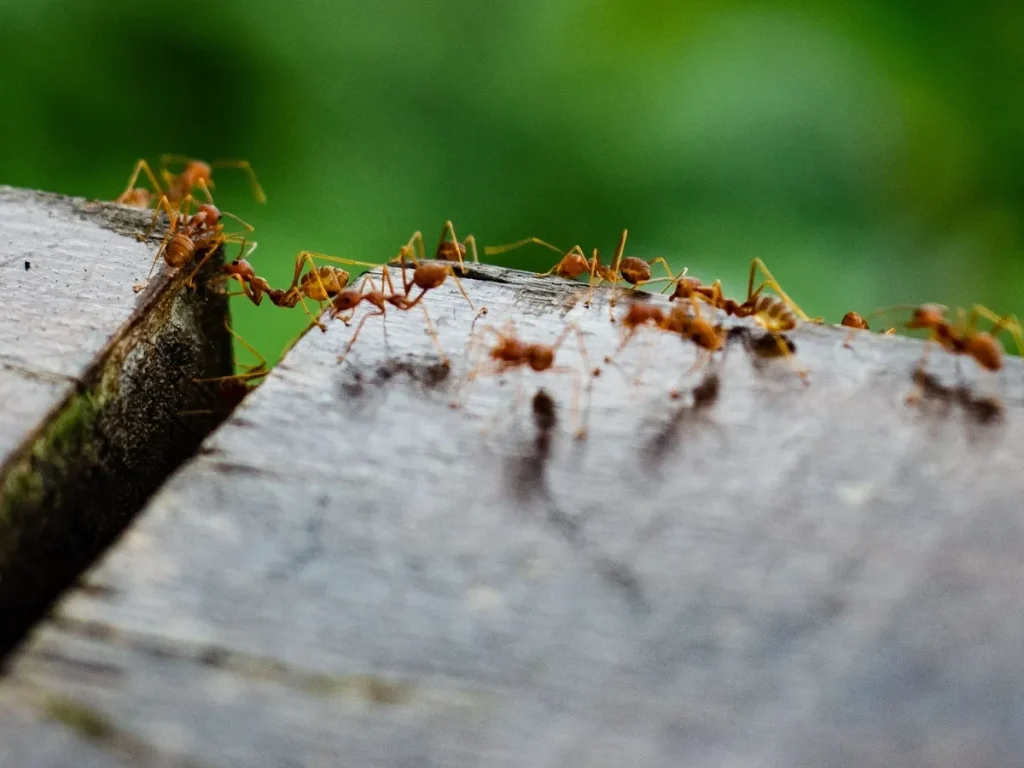
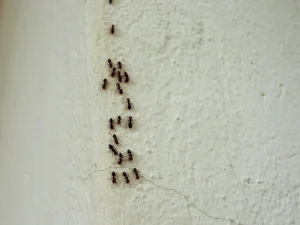
Stopping ant trails in the home requires both understanding ant behavior and addressing the conditions that encourage them. Ants leave pheromone trails to guide others in their colony to a food source, which is why you may see long lines of ants traveling across countertops, floors, or walls. Simply wiping away the ants is rarely enough because the chemical scent trail can persist, allowing other ants to find the same path. Identifying the origin of the trail and removing the attractants, such as crumbs, sugary spills, or accessible food, is the first step in breaking the cycle.
Another critical strategy for stopping ant trails is thorough cleaning and environmental control. Wiping surfaces with soapy water or a vinegar solution can help remove the pheromone trails that ants use for navigation. Additionally, sealing entry points, such as cracks in walls, gaps around windows, and spaces near doors, prevents ants from entering the home in the first place. Maintaining clean, dry areas, especially in kitchens and dining spaces, reduces the opportunities for ants to establish new trails and limits the spread of colonies indoors.
For persistent ant problems, targeted treatments can be effective in combination with preventive measures. Baits or other pest control solutions can eliminate the colony at its source, rather than just removing the visible ants. Regular monitoring and maintenance ensure that trails do not reappear and that new infestations are caught early. By combining sanitation, exclusion, and proactive pest control, homeowners can successfully stop ant trails and maintain a cleaner, pest-free environment.
Ant trails form in homes as a direct result of the way worker ants communicate and forage for food. When an ant discovers a food or water source, it leaves a chemical trail, known as a pheromone, while returning to the colony. This chemical signal alerts other ants, guiding them along the same path to the food. Over time, as more ants follow the trail, the scent strengthens, creating a highly efficient route that hundreds of ants can use to reach the source quickly.
Because the trail becomes reinforced with repeated use, ant infestations can persist for days or even weeks if the source and trail are not addressed. Understanding this behavior highlights why simply seeing a few ants does not mean the problem is minor, once a trail is established, the colony is effectively coordinated to exploit the food source continuously. Removing the trail and eliminating the source are both critical steps in breaking the cycle and preventing further ant activity.
The first step in stopping ant trails is identifying the source of the infestation. Observing the trail and following the ants can reveal both their entry point and the food or water they are targeting. In homes, common hotspots include kitchens, pantries, and areas where crumbs, spills, or leftover pet food accumulate. Ants are particularly drawn to sugary foods and drinks, grease or cooking residue, pet food left on the floor, and sticky spills on counters. By locating and removing these food sources, homeowners can disrupt the ants’ motivation to return. Eliminating the source is a crucial step in breaking the trail and preventing further ant activity, making subsequent treatment or cleanup efforts much more effective.
Once the food source is removed, the next step is cleaning the area thoroughly. This helps remove the chemical scent ants use to guide each other. Wiping the surface with household cleaners can break down the scent trail. Vinegar and mild cleaning solutions are often effective at removing these chemical signals. When the scent trail disappears, ants lose the path that leads them to the food. This makes it much easier to stop ant trails before more ants arrive. Be sure to clean nearby surfaces as well, since scent trails may extend farther than expected.
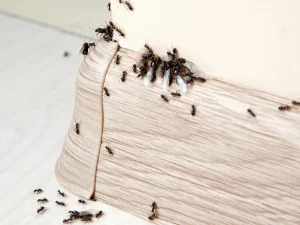
Sealing entry points is an essential step in preventing ants from establishing trails inside your home. Ants can enter through even the smallest cracks and gaps, exploring the interior until they locate food or water. By identifying and closing these openings, homeowners can block access and reduce the likelihood of ants forming new trails. Common areas to inspect include cracks around windows and doors, gaps in walls or foundations, openings near pipes or vents, and spaces under baseboards. Using materials like caulking or weather stripping to seal these entry points helps create a physical barrier that prevents ants from entering. When combined with removing food sources, this practice significantly reduces ant activity and helps keep your home ant-free.
Proper food storage is a key factor in preventing ant trails and reducing the likelihood of infestations. Ants are attracted to even tiny crumbs or spills, so maintaining a clean kitchen and dining area is essential. By storing food in sealed containers and keeping surfaces clean, homeowners can remove the sources that draw ants indoors.
Helpful practices include keeping countertops free of crumbs, storing sugar, cereal, and other pantry items in airtight containers, cleaning up spills immediately, and ensuring garbage bins are securely sealed. These simple but consistent habits make the home less appealing to ants, interrupting existing trails and preventing new ones from forming. Combined with sealing entry points, proper food storage is an effective strategy for long-term ant control.
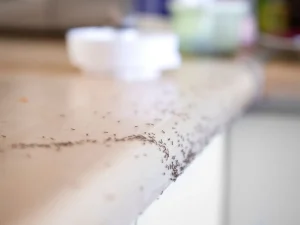
Keeping kitchens and floors clean is one of the most effective ways to prevent ants from establishing trails and locating food sources. Regularly wiping countertops, sweeping floors, and cleaning cabinets removes crumbs, spills, and other residues that can attract ants into the home. Even small amounts of food left behind can be enough for a single worker ant to discover and mark a trail, which other ants will quickly follow to access the source. By maintaining consistent cleanliness in the kitchen and surrounding areas, homeowners can disrupt these trails, reduce the likelihood of ant infestations, and stop the problem before it starts.
Controlling moisture is an important part of preventing ant trails, as ants are often drawn to water sources, especially during dry periods. Even small leaks or damp areas can attract them, providing the hydration they need to survive and encouraging repeated visits. By addressing these moisture issues, homeowners can make their homes less appealing to ants and reduce the likelihood of infestations.
Key areas to inspect include under sinks, around dishwashers, near refrigerators, and in basement corners where water can accumulate. Fixing leaks, drying damp spots, and maintaining proper ventilation in these areas help eliminate conditions that attract ants. Combining moisture control with proper food storage and sealing entry points strengthens your overall strategy for stopping ant trails and keeping ants out of your home.
Many homeowners attempt to stop ant trails using sprays or store bought insect products. While these methods may kill visible ants, they often do not eliminate the colony. Ant colonies can be located outdoors or hidden inside walls. As long as the colony remains active, new ants may continue entering the home. Professional pest control services focus on eliminating the source of the infestation rather than just the ants that appear on surfaces. At TAG Pest Control, we provide targeted pest control services designed to eliminate ant colonies and prevent future infestations.
Professional pest control begins with a detailed inspection of the home. Technicians identify the species of ants involved and determine where the colony is located. Treatment methods may include:
This approach ensures that the entire colony is addressed rather than just the visible ants. Homeowners who need reliable pest management can trust experienced Langley pest control services to handle persistent ant problems safely.
If ant trails continue appearing despite cleaning and sealing entry points, the infestation may be larger than expected. Repeated trails often indicate a well established colony nearby. A pest control professional can inspect the home and determine the best treatment plan to eliminate the colony. If you are struggling to stop ant trails in your home, you can reach out through our contact page to schedule a professional inspection.
Learning how to stop ant trails can help homeowners prevent frustrating pest problems in kitchens and living spaces. By removing food sources, cleaning scent trails, sealing entry points, and maintaining a clean home, you can greatly reduce the chances of ants returning. However, when ant trails continue appearing or infestations grow, professional pest control can provide a more reliable solution. At TAG Pest Control, we help homeowners eliminate ant problems and protect their homes from future infestations. With the right prevention strategies and expert support, you can keep your home comfortable and free from unwanted ants.