Signs You Need Professional Pest Control in Your Langley Home
January 19, 2026
At TAG Pest Control, we often speak with homeowners who wonder if their pest problem is serious enough to call…

Pest control frequency is one of the most common concerns homeowners have when trying to keep their homes protected from insects and rodents. Many people believe pest control services are only necessary when a visible problem appears. However, waiting until pests invade the home can make the situation more difficult and costly to resolve. Preventive pest control focuses on stopping infestations before they begin, helping homeowners maintain a cleaner and safer living environment. At TAG Pest Control, we often explain that regular treatments are an important part of long-term home maintenance.
The ideal pest control schedule can vary depending on several factors related to the home and its surroundings. Location plays a major role, as homes near wooded areas, water sources, or dense vegetation may experience more frequent pest activity. Climate also affects pest behavior, since many insects and rodents become more active during warmer seasons or seek shelter indoors during colder months. In addition, the specific types of pests common in your region, such as ants, rodents, spiders, or wasps, can influence how often treatments should be performed to keep them under control.
Routine pest control services help identify potential problems early and reduce the chances of pests establishing nests or colonies inside the home. Professional inspections allow technicians to detect warning signs, seal entry points, and apply targeted treatments that discourage pests from entering the property. This proactive approach not only prevents infestations but also protects the overall condition of the home. In this guide, we will discuss the recommended pest control frequency for most households and explain how regular service can keep your living space safe, comfortable, and pest-free throughout the year.
Regular pest control is important because many pests can enter homes without being noticed and remain hidden for long periods of time. Insects and rodents often nest inside walls, attics, basements, or other quiet areas where their activity may go undetected. By the time homeowners begin to see clear signs of a problem, such as droppings, damage, or frequent pest sightings, the infestation may already be well established. Maintaining a consistent pest control frequency helps address these issues early by identifying and treating potential problems before pests have the opportunity to multiply.
Routine pest control also plays a key role in protecting the structure and cleanliness of a home. Certain pests can chew through electrical wiring, damage insulation, or contaminate food and storage areas with bacteria and debris. Preventative treatments create protective barriers around the home that discourage insects and rodents from entering in the first place. Over time, this proactive approach helps reduce the likelihood of infestations and minimizes the risk of costly repairs. Following a regular pest control schedule provides homeowners with ongoing protection and greater peace of mind.
For many homes, a quarterly pest control schedule is considered the most practical and effective approach. This schedule involves professional treatments every three months, allowing pest control technicians to monitor the property regularly and respond to changes in pest activity. Maintaining this pest control frequency helps ensure that protective treatments remain active and that any early signs of infestation are identified before they develop into larger problems.
Seasonal changes often influence pest behavior, which is another reason quarterly services are recommended. During warmer months, pests such as ants, wasps, and other insects tend to become more active and search for food sources around homes. In colder seasons, rodents may look for warm indoor spaces where they can nest and find shelter. By scheduling regular visits throughout the year, pest control professionals can adjust treatments to address the specific pests that are most active during each season. This consistent approach helps keep homes protected year-round.
Monthly pest control may be recommended in situations where pest activity is severe, persistent, or difficult to manage with less frequent treatments. Homes experiencing active infestations, such as rodents, large ant colonies, or ongoing cockroach problems, often require closer monitoring and repeated treatments to effectively reduce the population and prevent further spread.
Properties located near wooded areas, farmland, or other environments that naturally support higher pest populations may also benefit from more frequent service because pests can continually move toward nearby homes in search of food and shelter. Monthly visits allow pest control technicians to track progress, adjust treatment methods when necessary, and address new signs of activity quickly. Once the infestation has been brought under control and pest pressure decreases, homeowners can often transition to a less frequent schedule, such as quarterly pest control maintenance.
Some homeowners choose to schedule pest control once a year. This approach may work for homes with very low pest activity. However, annual treatments often provide limited protection because pests can appear at any time during the year. Without regular monitoring, infestations may grow unnoticed between visits. For this reason, pest control professionals generally recommend more consistent pest control frequency. Preventative treatments throughout the year provide better protection against common household pests.
Every home is unique, and several factors influence how often pest control should be scheduled. Understanding these factors can help determine the best pest control frequency for your property.
Homes located near forests, water sources, or farmland may experience more pest activity. These environments provide natural habitats for insects and rodents. If your home is surrounded by vegetation or wildlife areas, you may benefit from more frequent pest control services.
Older homes may have more cracks, gaps, and openings that pests can use to enter. Structural wear can make it easier for insects and rodents to find their way inside. Homes with many entry points may require a higher pest control frequency to keep pests out.
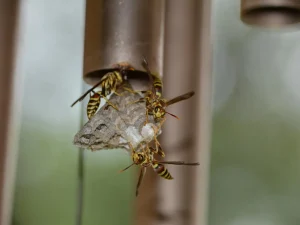
Seasonal pest activity occurs because many pests respond to changes in temperature, weather, and food availability throughout the year. As seasons shift, different types of pests become more active or begin searching for shelter indoors. For example, ants and wasps tend to be more active during the warmer months of spring and summer when they are building colonies and searching for food, while spiders often move indoors as temperatures drop in cooler weather in search of shelter and prey.
Rodents such as mice and rats commonly seek warmth and protection inside homes during the fall and winter when outdoor conditions become harsher. Regular pest control treatments throughout the year help manage these seasonal changes by addressing pest activity early, reducing the chances of infestations developing into larger problems.
Homes that have experienced infestations in the past may be more likely to see them again. Pests often return to places where they previously found food and shelter. Maintaining a consistent pest control frequency can prevent recurring infestations.
Sometimes homeowners may notice signs that their current pest control schedule is not providing enough protection. When pests begin appearing between scheduled treatments, it can indicate that pest activity in the area is higher than expected or that certain pests are finding ways to re-enter the home. Frequent sightings of insects indoors, such as ants or cockroaches, may suggest that new colonies are forming or that food sources are attracting them back. Similarly, the presence of rodent droppings or gnaw marks on materials can signal ongoing rodent activity that requires closer monitoring.
Other warning signs include the regular appearance of new nests, webs, or increased pest activity around the exterior of the property. These indicators may show that pests are establishing themselves near the home and gradually moving indoors. In these situations, adjusting the pest control frequency may be necessary to maintain effective protection. More frequent inspections and treatments can help address pest problems earlier, prevent infestations from growing, and ensure that the home remains well protected throughout the year.
Preventative pest control focuses on stopping pest problems before they develop into full infestations. Instead of waiting for pests to appear, this approach involves regular inspections and treatments that create protective barriers around the home. By maintaining a consistent pest control routine, homeowners can significantly reduce the chances of insects and rodents entering the property. Preventative care is often more effective than reactive treatments because it targets potential entry points and nesting areas before pests have time to establish themselves. Another important advantage of preventative pest control is the long-term protection it provides for both the home and the people living in it.
Regular treatments help protect structural materials, insulation, and stored belongings from damage caused by pests such as rodents or insects. Preventative services can also reduce long-term pest control costs by addressing small issues before they become large infestations that require more intensive treatments. In addition, routine inspections allow technicians to detect early signs of pest activity and respond quickly, helping maintain a cleaner, safer, and more comfortable living environment. At TAG Pest Control, our technicians provide customized treatment plans designed to match the specific needs of each home. You can learn more about our professional pest control services and how they help protect homes year round.
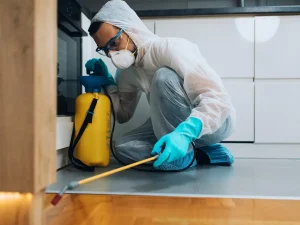
Professional pest control services take a comprehensive approach to managing pest problems. Rather than simply applying treatments, technicians focus on identifying the source of pest activity and preventing future infestations. Each service visit typically begins with a detailed inspection of the property to look for signs of pests such as droppings, nests, damaged materials, or entry points. This inspection allows technicians to understand the level of pest activity and determine the most appropriate treatment strategy for the home. After the inspection, technicians apply targeted treatments in key areas around the property where pests are likely to enter or hide.
These treatments are designed to control current pest activity while also creating protective barriers that discourage new pests from entering. In addition, professionals often identify potential entry points and provide homeowners with practical recommendations for improving prevention, such as sealing gaps or reducing attractants. This ongoing combination of inspection, treatment, and prevention helps maintain the right pest control frequency for each property and ensures long-term protection against common pests. Homeowners seeking trusted pest management solutions can rely on experienced Langley pest control services to protect their homes from common pests.
Supporting a pest control plan involves maintaining habits that reduce the conditions pests need to survive, such as access to food, water, and shelter. While professional treatments address active infestations and provide protective barriers, homeowners can strengthen these efforts by keeping indoor and outdoor areas clean and well maintained. Simple practices like keeping kitchens free of crumbs, storing food in sealed containers, sealing cracks around windows and doors, removing standing water around the property, and maintaining tidy outdoor spaces can significantly reduce the likelihood of pests entering the home. By consistently following these steps, homeowners create an environment that is less attractive to pests and help ensure that professional pest control treatments remain effective over time.
If you notice pests appearing more frequently or suspect an infestation, professional help may be necessary. A pest control expert can inspect your property and recommend the best treatment schedule. Technicians can also identify hidden pest problems that homeowners may not notice. If you are unsure about the right pest control frequency for your home, reach out through our contact page to schedule an inspection.
Understanding the proper pest control frequency can make a big difference in keeping your home safe and comfortable. Regular pest control visits help prevent infestations, protect your property, and give homeowners peace of mind. Rather than waiting for pests to appear, a proactive approach provides long term protection. At TAG Pest Control, we work with homeowners to create customized pest control plans that match their needs. With consistent service and expert care, you can keep your home protected from pests all year long.