Signs You Need Professional Pest Control in Your Langley Home
January 19, 2026
At TAG Pest Control, we often speak with homeowners who wonder if their pest problem is serious enough to call…
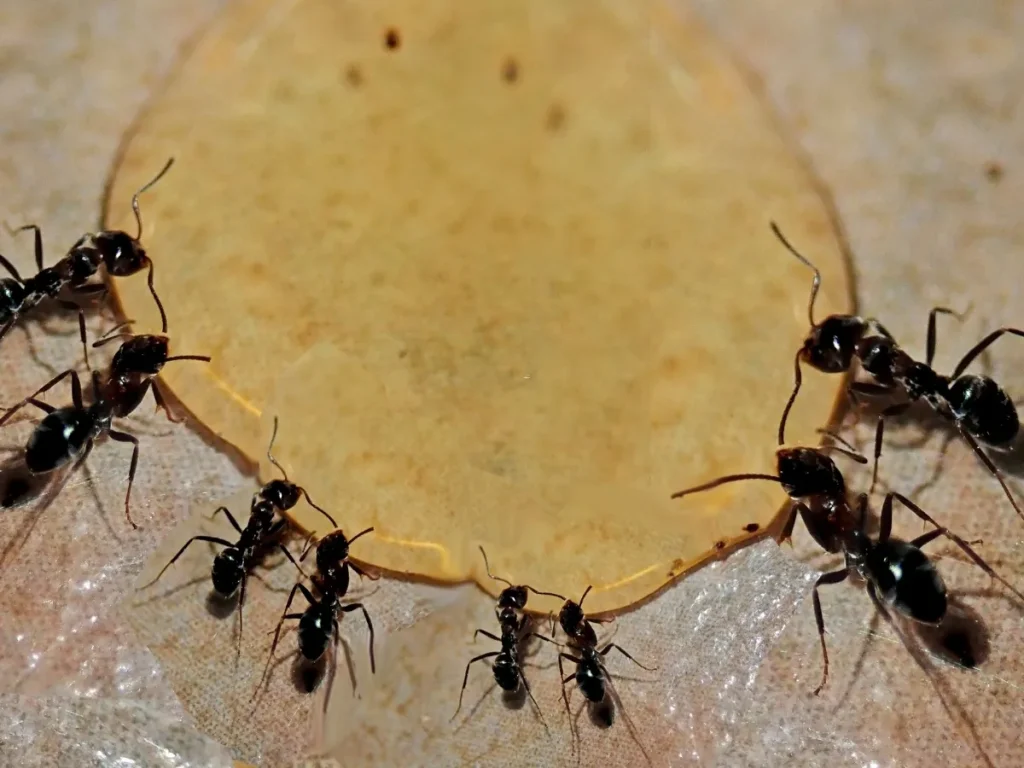
When pests appear in a home, many homeowners look for quick and affordable solutions. Store-bought sprays, traps, and natural remedies are often the first options people try in hopes of solving the problem without professional help. While these methods may provide temporary relief, they rarely eliminate the source of the infestation. This is where the difference between DIY pest control vs professional treatment becomes clear. What seems like a simple pest problem may actually involve hidden nests, entry points, or breeding areas that are difficult to detect without proper training.
At TAG Pest Control, we regularly assist homeowners who have already attempted do-it-yourself solutions but continue to experience pest activity. One of the main reasons DIY methods fail is that they often focus only on the visible pests rather than the root cause of the problem. For example, killing a few ants on the counter does not eliminate the colony, and trapping one or two mice does not address how rodents are entering the home. In addition, incorrect use of pesticides or treatments can sometimes make the problem worse by scattering pests or allowing them to relocate deeper into walls and hidden spaces.
Professional pest control services take a more comprehensive approach to identifying and eliminating infestations. Trained technicians inspect the property, locate nesting areas, identify the pest species, and apply targeted treatments designed to eliminate the entire population. They also help seal entry points and provide prevention strategies to reduce the risk of future infestations. Understanding the difference between DIY pest control vs professional services helps homeowners recognize when a problem requires expert attention. In this guide, we will explain why DIY treatments often fail, the potential risks involved, and when it is the right time to contact pest control professionals.
Many homeowners choose to try do-it-yourself pest control methods before seeking professional help. One of the main reasons is convenience. Pest control products are widely available in hardware stores, grocery stores, and online, making them easy to purchase and apply without scheduling a service visit. These products often advertise quick results and simple instructions, which can make them appealing to homeowners who want an immediate solution to a pest problem. In many cases, DIY treatments also appear more affordable at first, which encourages people to try handling the issue on their own.
Another reason homeowners turn to DIY methods is that early signs of pest activity may not seem serious. Spotting a few ants in the kitchen or noticing a single mouse may appear to be a minor inconvenience rather than a developing infestation. Because of this, many people assume that basic traps or sprays will solve the problem quickly. However, pests often hide in walls, attics, or other concealed areas where they can reproduce without being noticed. What seems like a small issue on the surface can quickly become a larger problem if the root cause of the infestation is not properly identified and addressed.
One major difference between DIY pest control vs professional treatment is the ability to identify the true source of the problem. Many pests build nests in hidden areas such as wall cavities, attics, basements, or outdoor structures. Homeowners often treat only the visible pests without realizing a larger colony is nearby. For example, ants may travel long distances from their nest to reach food inside your home.
Spraying the ants you see does not eliminate the colony producing them. Similarly, mice may enter homes through tiny openings and build nests inside walls or insulation. Trapping one mouse does not guarantee that others are not already present. Professional pest control focuses on locating the source of the infestation and eliminating it completely.
While DIY methods can sometimes reduce pest activity temporarily, they often fail to provide long term solutions. Understanding these limitations helps explain the difference between DIY pest control vs professional services.
Most DIY products target pests that are visible. Unfortunately, pests rarely stay in open areas for long. They hide in cracks, walls, ceilings, and outdoor nesting spots. When homeowners treat only the visible pests, the main colony remains active. This allows the infestation to continue growing.
Different pests require different treatments. Many homeowners mistakenly treat the wrong type of pest or use the wrong product. For example, carpenter ants require different solutions than regular household ants. Without proper identification, treatments may not work effectively. Professional pest control technicians are trained to identify pest species and choose the correct treatment method.
Store bought pest control products are designed for general use. Because they must be safe for consumer handling, they often have lower strength formulas. While these products may reduce pest activity temporarily, they rarely eliminate large infestations. Professional treatments use specialized tools and methods that target pests more effectively.
Another major factor in DIY pest control vs professional results is the ability to identify how pests enter the home. Even if DIY products remove existing pests, new ones can easily enter through the same gaps or cracks. Without sealing these entry points, infestations often return. Professionals inspect homes carefully to locate and secure common entry areas.
DIY pest control can sometimes create additional risks, especially when treatments are used without proper knowledge or precautions. Many pest control products contain chemicals that must be applied carefully to avoid exposure. If pesticides are used incorrectly, they may contaminate food preparation areas, countertops, or other living spaces. In some cases, improper application can also pose health risks to pets or children who may come into contact with treated surfaces. Without proper training, it can be difficult for homeowners to determine the correct products, quantities, and application methods needed for safe and effective pest control.
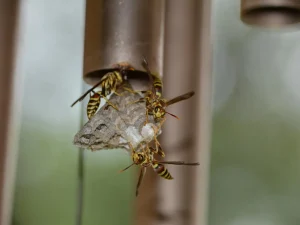
Another concern with DIY pest control is that it may disturb pests without eliminating the actual nest or colony. This can make the problem worse rather than solving it. For example, attempting to spray a wasp nest without the right protective equipment can trigger defensive behavior and increase the likelihood of stings. Similarly, partial treatments may cause pests to scatter and spread to other areas of the home instead of removing the infestation entirely. Recognizing these potential risks is an important factor when comparing DIY pest control vs professional pest management, as professional services are trained to handle pest problems safely and thoroughly.
Professional pest control services provide several advantages that DIY solutions cannot match. These benefits highlight the difference between DIY pest control vs professional approaches.
Professional technicians are trained to identify pest species and understand their behaviour. This allows them to choose the most effective treatment strategy. Correct identification is the first step toward eliminating infestations completely.
Professional pest control does not rely on one size fits all solutions. Each home and pest situation is different. Technicians create customized treatment plans based on the pest type, location of the infestation, and environmental factors. This targeted approach leads to more reliable results.
Long term prevention is a key benefit of professional pest control services because it focuses on addressing the underlying conditions that allow pests to enter and thrive in a property. Instead of only treating the immediate infestation, pest control experts conduct detailed inspections to identify environmental and structural factors that may attract pests. These factors can include small entry points around doors, windows, or foundations, areas with excess moisture that create suitable habitats, outdoor nesting spots close to the home, and easily accessible food sources.
Once these issues are identified, technicians provide recommendations or solutions to correct them, such as sealing gaps, improving drainage, reducing clutter, or securing food storage. By addressing these contributing conditions, professional pest services help reduce the likelihood of future infestations and support a more effective long term pest management strategy.
Professional pest control companies follow safety standards and use approved products. Treatments are applied carefully to reduce risks while effectively removing pests. Homeowners benefit from expert knowledge and proven techniques that provide lasting results. To learn more about how our team helps protect homes, explore our pest control services.
In some situations, minor pest problems may be managed with simple do-it-yourself methods, especially when the issue is caught early and the pest activity is limited. Basic preventive actions can reduce the conditions that attract pests and stop them from easily accessing your home. For example, promptly cleaning food spills can remove the scent trails that attract ants, sealing small cracks or gaps around windows can block entry points for insects, removing standing water outdoors can reduce breeding areas for pests such as mosquitoes, and keeping garbage containers tightly closed can prevent pests from accessing food sources. While these steps can sometimes control small or temporary pest issues, they may not address larger infestations or hidden nesting areas. If pest activity continues despite these efforts, it usually indicates a more established problem that may require professional pest control treatment.
Knowing when to seek professional help is an important part of deciding between DIY pest control vs professional services. While minor pest activity may sometimes be managed with basic prevention methods, repeated pest sightings can indicate a larger underlying problem. If pests continue to appear despite DIY treatments, it may mean that the nest, colony, or entry point has not been properly addressed. Large numbers of insects or rodents are another warning sign that the infestation may be well established and require specialized treatment to eliminate effectively. Certain types of damage can also signal the need for professional pest control.
Chewed wiring, damaged wood, or torn insulation may indicate rodent or insect activity within hidden areas of the home. Similarly, visible nests near the house or unusual sounds coming from walls or ceilings may suggest that pests have established themselves inside the structure. In these situations, attempting to manage the problem without proper equipment or training can be difficult and potentially unsafe. Professional pest control technicians have the experience and tools needed to locate the source of the infestation and apply treatments that address the issue more thoroughly. Homeowners in British Columbia can rely on our trusted Langley pest control services to manage pests quickly and safely.
Pest problems can quickly become stressful for homeowners. Constantly dealing with traps, sprays, or recurring infestations can be frustrating. Professional pest control removes this burden by addressing the issue directly and efficiently. Instead of experimenting with multiple DIY solutions, homeowners receive clear answers and effective treatments. This saves both time and money in the long run. If you are dealing with a pest problem and need expert help, our team is ready to assist. You can reach out through our contact page to schedule an inspection.
When pests invade your home, it is natural to search for quick solutions. However, understanding the difference between DIY pest control vs professional treatment is essential for achieving lasting results. DIY methods may provide temporary relief, but they often fail to eliminate the root of the infestation. Without proper identification, targeted treatments, and prevention strategies, pests can quickly return. Professional pest control offers a more complete approach that addresses both the current infestation and future risks. At TAG Pest Control, we are committed to helping homeowners protect their properties with safe, reliable pest management solutions that deliver lasting peace of mind.