Professional Spider & Wasp Control Services in Maple Ridge
August 19, 2026
Spiders and wasps are common concerns for homeowners in Maple Ridge, especially during the warmer months when pest activity increases.…
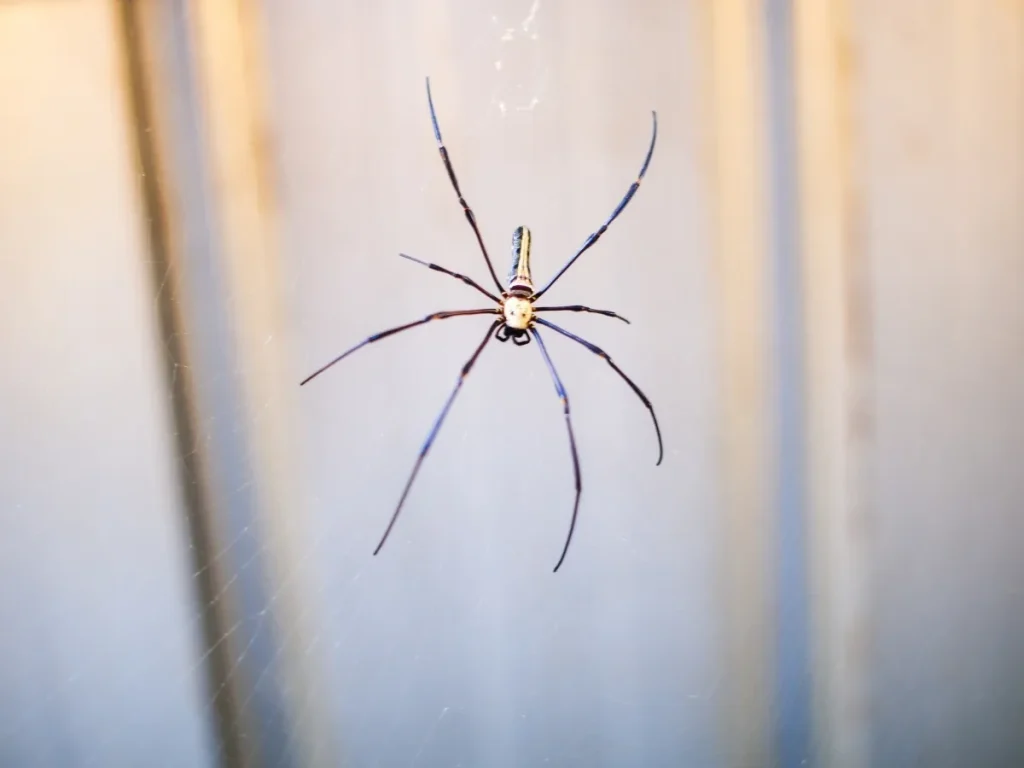
Spider prevention tips can help homeowners maintain a clean, comfortable, and pest-free living environment. Although most spiders are harmless and even helpful in controlling other insects, many people would rather not have them inside their homes. Discovering spiders in corners, basements, or along ceilings can be unsettling, particularly if they begin appearing frequently. At TAG Pest Control, we help homeowners understand the reasons spiders enter homes and provide practical strategies to keep them from settling indoors.
Spiders typically enter homes in search of food, shelter, and warmth. If a home provides a steady supply of insects, spiders may view it as an ideal place to stay. They often hide in quiet areas such as basements, attics, garages, storage rooms, and behind furniture where they can build webs undisturbed. Because spiders rely on other insects for food, an increase in spider activity may also indicate the presence of other pests inside the home. For this reason, effective spider prevention tips often focus on reducing both insects and the environments that attract them.
Taking simple preventative measures can make a big difference in keeping spiders out of your home. Regular cleaning, reducing clutter, sealing cracks around windows and doors, and ensuring proper lighting around the exterior of your home can all help reduce spider activity. Removing webs when they appear and limiting insects around the home also discourages spiders from staying. In this guide, we will explore practical spider prevention tips that can help homeowners reduce the chances of spiders entering their homes and prevent a larger pest problem from developing.
Spiders often enter homes in search of suitable places to build webs and find food. Most species prefer quiet, undisturbed environments where they can remain hidden while waiting for prey. Areas such as basements, attics, storage rooms, closets, and the corners of walls provide ideal conditions because they are often dark and rarely disturbed. These spaces allow spiders to build webs and remain unnoticed for long periods of time. Cracks around doors, windows, and foundations can also give spiders easy access to indoor spaces.
Another major reason spiders stay inside homes is the availability of insects to feed on. Spiders are natural predators and typically settle in places where other insects are already present. If flies, ants, moths, or other small insects are active inside the home, spiders may remain nearby to hunt them. Because of this relationship, controlling insect populations is an important step in reducing spider activity. By limiting the presence of insects indoors, homeowners can make their homes less appealing to spiders and support effective spider prevention strategies.
One of the most effective spider prevention tips is blocking the entry points spiders use to get inside. Spiders can slip through very small gaps around doors, windows, and foundations. Carefully inspect the outside of your home and look for cracks or openings that may allow spiders to enter. Common entry points include:
Sealing these openings with caulking or weatherproof materials can make it much harder for spiders to enter your home.
Keeping your home clean and free of clutter is an effective way to discourage spiders from settling indoors. Spiders prefer quiet, undisturbed areas where they can build webs and remain hidden. Cluttered spaces provide ideal shelter because they offer dark corners and protected surfaces where spiders can easily spin webs and lay egg sacs. Regular cleaning helps disrupt these environments and makes it more difficult for spiders to establish themselves inside the home.
Paying attention to areas that are often overlooked can make a significant difference. Spaces such as basements, garages, storage closets, attics, and the areas beneath furniture tend to remain undisturbed for long periods, making them attractive to spiders. Vacuuming these areas regularly can remove existing webs, spiders, and egg sacs before they have the chance to hatch and multiply. By maintaining a tidy living environment and routinely cleaning hidden spaces, homeowners can greatly reduce the likelihood of spider activity indoors.
Reducing the number of indoor insects is an important step in preventing spider activity because spiders enter homes primarily in search of food. If insects such as flies, ants, or other small pests are abundant indoors, spiders are more likely to remain in the area since it provides a reliable food source. By controlling these insects, homeowners can make the environment less attractive to spiders.
Simple measures such as keeping doors and windows closed when possible, installing or repairing window screens, cleaning food spills promptly, and removing standing water can help limit insect populations inside the home. When fewer insects are available for spiders to feed on, the conditions become less suitable for them to stay, which can significantly reduce spider presence indoors.
Outdoor lights can attract many flying insects at night. These insects often gather near doors and windows, which in turn attracts spiders. Spiders may build webs near light fixtures where insects frequently gather. This can lead to spiders entering the home through nearby openings. One helpful spider prevention tip is adjusting outdoor lighting. Consider using lights that attract fewer insects or placing lights farther away from entry doors. Reducing insect activity around entrances helps limit the number of spiders that gather nearby.
Keeping vegetation trimmed around your home is an effective way to reduce spider activity because plants, shrubs, and tree branches that grow too close to the structure can act as natural bridges that allow spiders to easily reach walls, windows, and roofs. When branches touch the house, spiders can move directly from the vegetation onto the building and eventually find their way inside.
Maintaining proper landscaping is therefore an important part of spider prevention. This includes trimming branches so they do not touch the house, keeping shrubs neatly maintained, removing piles of leaves or yard debris that can serve as hiding spots, and storing firewood away from the exterior walls. By reducing these outdoor shelters and pathways, homeowners make it more difficult for spiders to approach and enter the home.
Spiders often hide in boxes, storage bins, and other items that remain untouched for long periods. Cardboard boxes are especially attractive because they provide shelter. Switching to sealed plastic containers is one of the practical spider prevention tips for storage areas. These containers limit hiding spots and make it easier to inspect stored items. This approach is particularly useful in basements, garages, and storage closets where spiders often settle.
Regularly removing spider webs is an important prevention measure because spiders are more likely to remain in areas where their webs are left undisturbed. Webs often appear in quiet or less frequently cleaned areas such as corners, ceilings, window frames, basements, and garages, making these locations ideal for spiders to settle and continue building new webs.
By routinely checking and cleaning these areas, homeowners can discourage spiders from staying and reusing the same spots. Removing webs also helps eliminate spider egg sacs that may be attached to the web or nearby surfaces, which can prevent new spiders from hatching and spreading throughout the home. Consistent cleaning and web removal therefore serve as a simple yet effective way to reduce spider presence indoors.
Checking items before bringing them indoors is a simple but effective way to prevent spiders from entering your home because they often hide in objects that have been stored outside or left undisturbed for long periods. Items such as outdoor furniture, storage boxes, gardening tools, and especially firewood can provide sheltered spaces where spiders may build webs or rest.
When these items are carried indoors without inspection, spiders can easily be introduced into living areas. Taking a moment to shake out or quickly examine these objects before bringing them inside helps reduce the chance of accidentally transporting spiders into the home. This small but consistent habit is particularly useful during cooler seasons when spiders are more likely to seek warmer indoor environments for shelter.
While many spider prevention tips help reduce activity, some homes may still experience ongoing spider problems. This often happens when there are large insect populations nearby or hidden entry points around the property. Professional pest control can help identify the source of the issue and apply targeted treatments. At TAG Pest Control, our technicians inspect the home, locate problem areas, and develop a treatment plan that helps prevent spiders from returning. You can explore our full pest control services to learn how we help homeowners maintain pest free homes.
Professional spider control involves a comprehensive approach that focuses on both removing existing spiders and preventing future activity within the home. The process typically begins with a detailed inspection of the property, during which technicians assess both the interior and exterior areas to identify signs of spider activity and determine how spiders may be entering the building. During this assessment, they locate potential entry points such as gaps around doors, windows, vents, and structural openings.
Technicians then remove visible spider webs and activity, apply safe and targeted treatments around key areas of the home, and may address locations where spiders commonly hide or build webs. In addition to treatment, they often provide recommendations to homeowners for long-term prevention, such as reducing conditions that attract insects, which are the primary food source for spiders. By targeting both spiders and the insects that draw them indoors, professional pest control offers a more complete and lasting solution. Homeowners who need reliable pest management can trust experienced Langley pest control services to handle spider problems safely and effectively.
If spiders are appearing frequently despite cleaning and maintenance, professional help may be necessary. Large numbers of spiders or repeated web activity often indicate an underlying pest issue. Pest control specialists can inspect the property, identify the causes, and provide targeted solutions. This helps eliminate the problem and prevent it from returning. If you are noticing frequent spider activity in your home, you can reach out through our contact page to schedule a professional inspection.
Following simple spider prevention tips can greatly reduce the chances of spiders entering your home. By sealing entry points, reducing insect activity, and maintaining a clean living space, homeowners can create an environment that spiders are less likely to choose. However, when spiders continue appearing or the problem becomes difficult to manage, professional support can make all the difference. At TAG Pest Control, we are committed to helping homeowners protect their homes from unwanted pests. With the right prevention strategies and expert care, you can keep your home comfortable, safe, and free from spiders.