Professional Spider & Wasp Control Services in Maple Ridge
August 19, 2026
Spiders and wasps are common concerns for homeowners in Maple Ridge, especially during the warmer months when pest activity increases.…
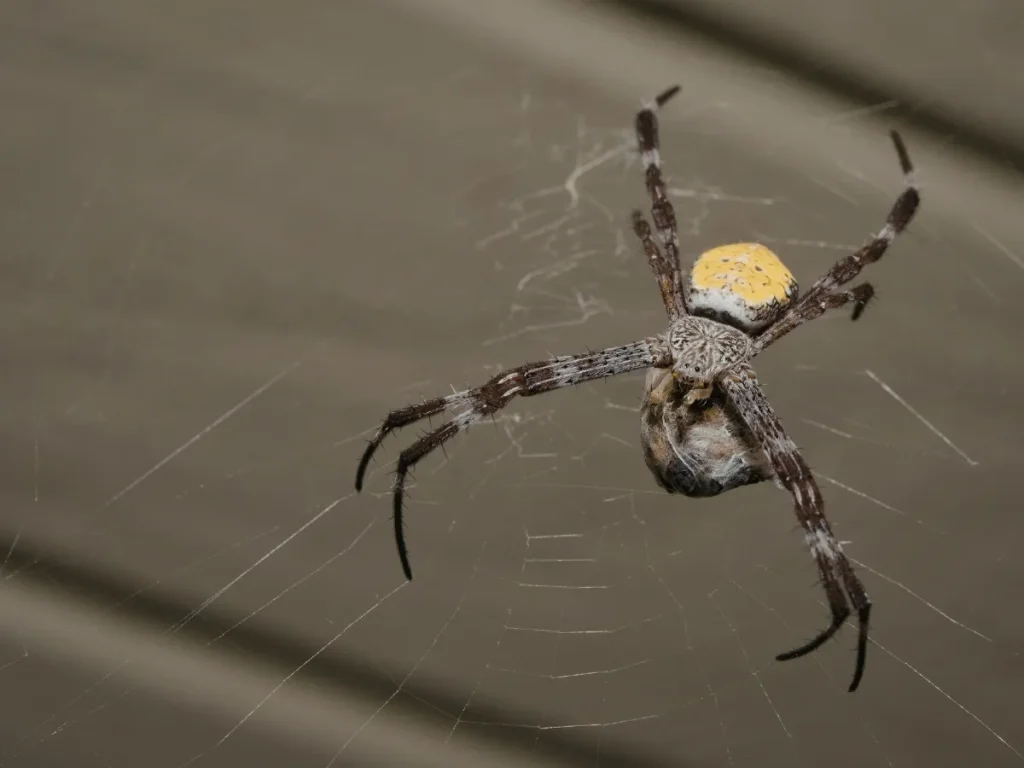
Keeping spiders out of your basement begins with reducing the conditions that make it an inviting habitat. Spiders are drawn to dark, damp areas with plenty of hiding spots and easy access to prey. Homeowners can start by decluttering storage areas, sealing cracks and gaps in walls, windows, and doors, and ensuring that items are stored off the floor. Proper ventilation and dehumidifiers can also help, as spiders prefer moist environments. By making the basement less hospitable, you reduce the likelihood that spiders will settle in and establish webs.
Another effective strategy is managing the food sources that attract spiders. Since spiders feed on insects, controlling other pests in the basement is crucial. Regularly sweeping, vacuuming, and removing cobwebs can help eliminate both spiders and their prey. Installing door sweeps, window screens, and sealing entry points can further prevent insects, and by extension spiders, from entering the basement. Maintaining a clean and organized space limits the food supply and encourages spiders to look elsewhere.
For persistent infestations, professional pest control measures may be necessary. Pest control experts can assess the basement environment, apply targeted treatments, and provide ongoing maintenance plans to prevent re-infestation. They can also identify and address hidden entry points or conditions that homeowners might overlook. Combining habitat modification, regular cleaning, and professional guidance ensures that your basement remains spider-free and safe for everyday use.
Spiders are commonly drawn to basements because these spaces naturally provide the quiet, dark, and undisturbed conditions they prefer. Low lighting, minimal airflow, and areas of accumulated clutter create ideal hiding spots where spiders can build webs and remain protected from predators. The secluded nature of basements allows spiders to thrive without frequent disturbance, making these areas particularly attractive for both adult spiders and their developing egg sacs.
Another key factor that brings spiders into basements is the availability of prey. Spiders feed on insects such as flies, ants, and beetles, which are often drawn to basements by moisture and food sources. Damp or humid conditions in basements encourage the presence of these insects, creating a chain reaction that ultimately increases spider activity. By addressing the environmental factors that make basements inviting, such as reducing clutter, controlling humidity, and managing insect populations, homeowners can take effective steps toward limiting spider infestations.
Several spider species are commonly found in basements. While most are harmless, their presence can still be unsettling for homeowners.
House spiders are among the most common spiders found indoors. They build messy webs in corners, ceiling edges, and behind stored items. These spiders usually remain in one area where their web is located. Over time, multiple webs may appear throughout the basement.
Cellar spiders, sometimes called daddy long legs, are frequently found in basements and crawl spaces. They have long thin legs and build loose webs in quiet corners. These spiders prefer damp environments and are often found near basement ceilings or around stored boxes.
Wolf spiders do not build webs to catch prey. Instead, they hunt insects directly. These spiders may wander across basement floors while searching for food. Although they can appear large and intimidating, wolf spiders are generally harmless to humans. Recognizing the types of spiders present can help with proper basement spider control.
Reducing clutter in the basement is a key strategy for controlling spider populations. Spiders are naturally drawn to undisturbed areas where they can build webs and hunt for insects, and cluttered spaces filled with boxes, unused furniture, and stored items provide perfect shelter. By organizing storage areas and minimizing unnecessary items, you remove these convenient hiding spots. Using sealed plastic containers instead of cardboard boxes further limits access and prevents spiders from nesting inside storage.
Maintaining a clean and orderly basement not only deters spiders but also makes it easier to detect early signs of their presence. Regularly inspecting storage areas allows homeowners to identify webs or insect activity before populations grow out of control. Consistent organization and monitoring create an environment that is less hospitable to spiders, ultimately contributing to a safer and more comfortable living space.
Spiders enter basements primarily to hunt other insects. If insects are removed, spiders will have fewer reasons to stay. Keeping insects out is a key part of basement spider control. Start by sealing cracks and gaps around windows, doors, and foundation walls. These openings often allow insects to enter the home. Cleaning regularly also helps reduce insects. Vacuuming corners and baseboards removes crumbs, debris, and small insects that spiders feed on. Reducing insect activity naturally discourages spiders from remaining in the basement.
Improving basement lighting is an effective strategy for deterring spiders, as these pests are naturally drawn to dark, secluded areas where they can remain hidden. By increasing the brightness in basements, homeowners can reduce the appeal of these spaces to spiders. Installing overhead lights, brighter bulbs, or motion-activated lighting in corners and other shadowed areas makes it more difficult for spiders to establish webs without being noticed.
Enhanced lighting also benefits homeowners by making it easier to detect spider activity early. Well-lit spaces allow for quick identification of webs, egg sacs, and individual spiders, enabling timely removal before populations grow. In combination with other control measures such as reducing clutter and managing moisture, improved lighting can significantly reduce the likelihood of a persistent spider presence in the basement.
Moisture attracts many insects that spiders feed on. Damp basements often lead to increased pest activity. Check the basement for leaks around pipes, walls, and windows. Fixing these issues quickly helps prevent moisture buildup. Using a dehumidifier can also help maintain a dry environment. Lower humidity levels make basements less attractive to insects and spiders. Controlling moisture is one of the most effective basement spider control methods.
Spiders often enter basements through small cracks and openings. These gaps may exist around foundation walls, windows, or utility entry points. Inspect the exterior of your home and seal any visible openings with caulking or weather resistant materials. Repair damaged window screens and door seals as well. Blocking entry points reduces the number of spiders and insects that can enter the basement. Regular inspections help ensure these barriers remain effective over time.
Regularly cleaning spider webs is an effective way to manage and prevent spider infestations in the basement. When webs are left untouched, spiders tend to remain in the same area, using them as both hunting grounds and shelters. By routinely removing webs from corners, ceilings, and around storage areas with a vacuum or broom, homeowners can disrupt spiders’ established spaces and discourage them from rebuilding in the same spots. This simple practice interrupts their life cycle and reduces the likelihood of spiders settling permanently.
In addition to removing adult spiders, cleaning webs also eliminates egg sacs, which are a potential source of future spider populations. By consistently targeting both webs and egg sacs, you prevent new spiders from hatching and spreading throughout the basement. Maintaining this regular cleaning routine not only keeps the basement tidy but also significantly reduces spider activity, creating a safer and more comfortable living environment.
Maintaining the area around your home is a crucial step in preventing spiders from entering indoor spaces. Outdoor features such as overgrown vegetation, wood piles, and accumulated debris provide shelter and breeding grounds for insects, which in turn attract spiders. By keeping shrubs and tree branches trimmed away from the house, homeowners can eliminate easy access points and reduce the likelihood of spiders venturing indoors.
Removing leaf litter, firewood, and other debris near the foundation also minimizes hiding spots for both insects and spiders. These preventive measures reduce the overall pest population around the property, lowering the chances that spiders will seek refuge inside. Consistent yard maintenance not only promotes a healthier, more visually appealing landscape but also supports long-term control of spiders and other pests that may otherwise infest basements and other indoor areas.
Sometimes spider activity becomes persistent despite regular cleaning and maintenance. This may indicate that insects or entry points are still present. Professional pest control services can help identify the source of the problem. At TAG Pest Control, our technicians inspect homes carefully to locate areas where spiders and insects are entering.
We also provide targeted treatments designed to reduce spider activity safely and effectively. Homeowners can explore our full range of pest solutions by visiting our pest control services page. If you are located in the region, our Langley pest control specialists understand the local pest conditions that contribute to spider problems. Our local experience helps deliver reliable and long lasting results.
Spiders are common in basements because these spaces provide darkness, shelter, and access to insects. While most basement spiders are harmless, their presence can still make the space uncomfortable for homeowners. Following effective basement spider control strategies helps keep spiders from settling in your home. Reducing clutter, controlling insects, sealing entry points, and managing moisture are all important steps in preventing spider activity.
Regular cleaning and home maintenance also help keep basements less attractive to spiders. If spider problems continue despite these efforts, professional support can provide lasting solutions. At TAG Pest Control, we help homeowners identify the causes of spider activity and implement effective prevention strategies. If you would like expert help keeping your basement spider free, visit our contact page and let our team help protect your home.