Professional Wasp Control Services in Surrey, BC
August 7, 2026
Wasps often build their nests in sheltered areas around homes, including under roof eaves, inside wall cavities, in attics, sheds,…
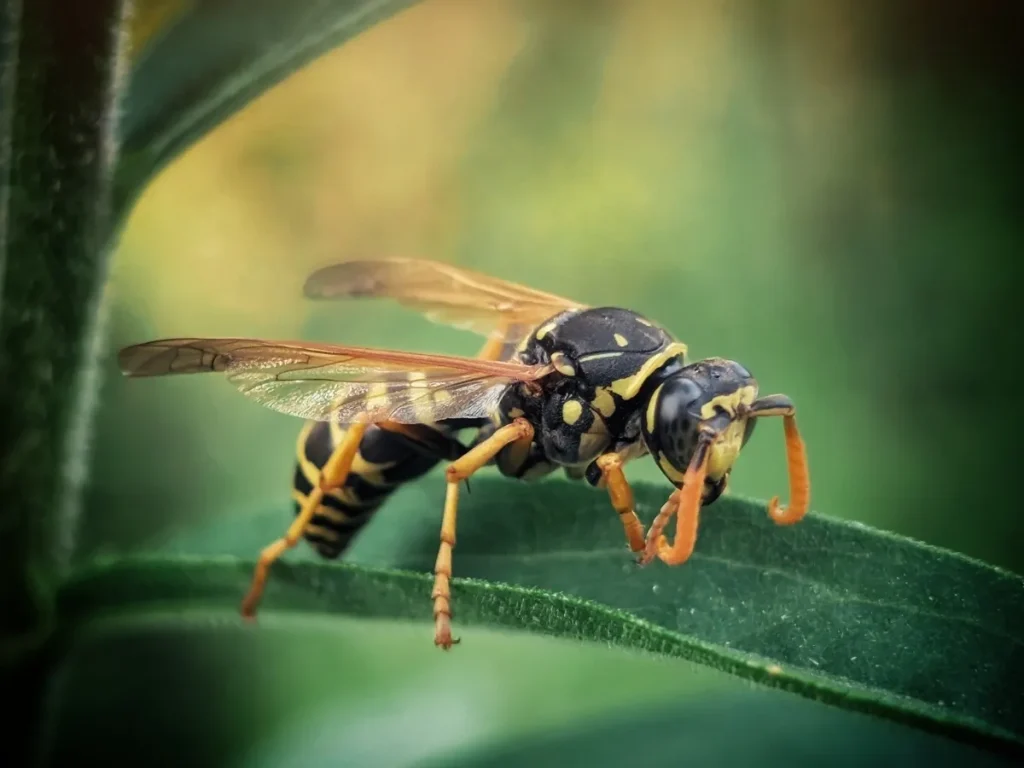
Wasp nest identification is an important step in protecting both your home and the people living in it. Wasps are territorial insects and can become aggressive when they believe their nest is under threat. A nest that goes unnoticed can grow quickly, increasing the number of wasps around your property and raising the risk of painful stings. Because of this, recognizing the early signs of a nest is essential for preventing potentially dangerous situations. At TAG Pest Control, we encourage homeowners to stay alert and learn how to identify these warning signs before the problem escalates.
Many homeowners only realize there is a wasp nest nearby after seeing several wasps flying around their yard, garden, roofline, or outdoor spaces. Unfortunately, by the time this activity becomes noticeable, the colony may already be well established and more difficult to manage. Wasps often build nests in hidden or quiet areas such as under roof eaves, inside wall cavities, in attics, garages, sheds, or even underground. Paying attention to patterns of wasp activity, such as repeated flights to the same location, can help reveal the presence of a nest before it becomes large and hazardous.
Learning how to identify a wasp nest early allows you to respond quickly and safely. Nests can vary in shape and size depending on the species, but they are commonly made from a paper-like material created by chewed wood fibers mixed with saliva. If you suspect a nest near your home, it is important not to disturb it, as this can trigger aggressive behavior from the colony. Instead, homeowners should consider contacting pest control professionals who have the proper equipment and experience to handle the situation safely. In this guide, we will explain how to recognize a wasp nest, where wasps commonly build them, and the safest steps to take if you discover one near your home.
Early wasp nest identification is important because it allows homeowners to address potential problems before they become serious safety risks. While wasps do play a beneficial role in ecosystems by helping control populations of other insects, their presence near homes, gardens, or outdoor living spaces can create hazardous situations. As the season progresses, a small wasp nest can rapidly grow into a large colony containing hundreds or even thousands of wasps. When nests are located close to doors, windows, patios, or play areas, the likelihood of accidental disturbance increases significantly.
Disturbing a wasp nest can trigger defensive behavior, causing the insects to swarm and sting repeatedly in an attempt to protect their colony. Multiple stings can be painful and dangerous, particularly for individuals who have allergies to insect venom. Identifying nests early in the season allows for quicker and safer intervention, as the colony is still small and less aggressive. Professional pest control services can assess the situation and remove the nest using proper safety procedures, reducing the risk of stings and preventing the colony from expanding later in the summer.
Not all wasp nests look the same. Different species build nests in different shapes and locations. Knowing what each one looks like can help with accurate wasp nest identification.
Paper wasps build small, umbrella shaped nests that hang from a single stem. These nests are often found under eaves, deck railings, porch ceilings, or outdoor light fixtures. The nest is made from a paper like material created when wasps chew wood fibres and mix them with saliva. The open cells are visible from the bottom. You may see several wasps crawling over the nest. Paper wasps are usually less aggressive than other species, but they will defend their nest if disturbed.
Yellowjackets are among the most aggressive types of wasps. Their nests are often hidden underground or inside wall cavities. You may notice a small hole in the ground where wasps fly in and out. In homes, yellowjackets may build nests in:
Hornets build large enclosed nests that look like grey paper footballs. These nests are often attached to tree branches, roof overhangs, or tall shrubs. Hornet nests can grow quite large by late summer. Some can reach the size of a basketball or larger. They contain many layers of comb inside the outer shell. Hornets can be very defensive if they feel their nest is threatened. This makes early wasp nest identification especially important when dealing with these insects.
Sometimes the nest itself is hard to see. However, there are several signs that can help you identify a wasp nest near your home.
If you notice many wasps flying around a specific area, there is likely a nest nearby. Wasps often follow the same flight path as they travel between food sources and their nest. Watch for repeated movement near roof edges, shrubs, fences, or small openings in walls.
Wasps often build nests in hidden spaces. If you see wasps repeatedly entering a small crack or hole, it may lead to a nest inside the structure. Common entry points include:
Some wasps gather wood fibres to build their nests. You may notice small areas of scraped wood on fences, decks, or outdoor furniture. This behaviour is often a sign that wasps are nearby and building a nest.
Wasps often choose nesting locations that provide shelter, safety, and convenient access to food and water. Around residential properties, these insects tend to build nests in quiet areas where they are less likely to be disturbed. Roof eaves and overhangs are especially attractive because they protect nests from rain and wind while allowing wasps easy entry and exit. Paper wasps and hornets frequently select these spots, making it important for homeowners to periodically inspect rooflines and corners for early signs of nest development. Detecting a small nest in these areas during the early season can make management significantly easier.
In addition to roof structures, wasps may also build nests in hidden interior spaces such as attics and wall cavities. Yellowjackets are particularly known for using these enclosed areas because they provide warmth and protection from predators and weather. Outside the home, trees, shrubs, decks, and other outdoor structures can also serve as nesting sites. Large hornet nests may hang from tree branches or be concealed within dense foliage, while decks, pergolas, and sheds offer shaded and protected environments close to human activity. Regularly checking these areas during spring and summer can help homeowners identify nests early and reduce the risk of accidental disturbances and stings.
A wasp nest may not appear threatening at first, especially early in the season when it contains only a small number of insects. During spring and early summer, a newly established colony is typically led by a single queen and a few worker wasps. However, as the season progresses, the colony expands rapidly. By mid to late summer, a nest can house hundreds of wasps that are actively working to protect their colony and gather food. As the population grows, wasps tend to become more defensive and aggressive, increasing the likelihood of stinging if the nest is disturbed.
A wasp nest becomes particularly dangerous when it is located in areas where people frequently pass or spend time. Nests positioned near doors, walkways, patios, or outdoor play areas can pose a higher risk because they are more likely to be accidentally disturbed. The danger increases further when there are large numbers of wasps present, when children or pets play nearby, or when someone in the household has an allergy to insect stings. In these situations, attempting to remove or disturb the nest without proper equipment can be risky. It is generally safer to keep a distance from the nest and contact professional pest control services that have the training and tools to handle the situation safely.
Many homeowners try to remove nests on their own. Unfortunately, this can lead to painful and sometimes serious stings. Wasps will aggressively defend their nest if they sense danger. Spraying or knocking down the nest can trigger an attack from dozens of wasps at once. Professional pest control technicians use protective equipment and proven methods to remove nests safely. Our team at TAG Pest Control provides complete wasp control solutions designed to protect your home. You can learn more about our services by visiting our pest control services page.
Professional pest control services approach wasp nest removal with a strong focus on safety, effectiveness, and long-term prevention. The process typically begins with a detailed inspection of the property to locate the nest and assess the level of activity around it. During this stage, technicians perform careful wasp nest identification to determine the species involved, as different types of wasps may require different treatment methods. Identifying the exact nest location, whether it is under roof eaves, inside wall cavities, or in trees, also helps professionals choose the safest and most efficient removal strategy.
Once the assessment is complete, technicians use specialized tools and insect control products designed specifically for wasp management. Protective equipment is worn throughout the process to reduce the risk of stings, especially when dealing with large or aggressive colonies. After treatment, the nest may be carefully removed and disposed of to prevent further activity. In some cases, technicians will also seal entry points or recommend repairs to areas where wasps may return to build new nests. Additionally, professionals often provide homeowners with practical advice on reducing attractants and maintaining the property in ways that discourage future nesting. Homeowners in British Columbia can rely on experienced technicians for safe and effective solutions through Langley pest control services.
Preventing wasps from nesting around your home is one of the most effective ways to reduce the risk of stings and unwanted insect activity. Wasps are attracted to locations that provide shelter, food, and easy access to nesting materials. By making small changes to your property and maintaining a clean environment, you can significantly lower the chances of them choosing your home as a nesting site. Simple steps such as sealing cracks and gaps in siding or roof areas can block entry points that wasps might use to access sheltered spaces like attics or wall cavities.
Good outdoor maintenance also plays an important role in prevention. Keeping garbage bins tightly closed and promptly cleaning up food scraps or sugary drinks from outdoor areas helps remove common food sources that attract wasps. Trimming shrubs and tree branches near the house reduces the number of sheltered areas where nests can form, while regular inspections of eaves, decks, and outdoor structures during spring can help detect nests early. Early detection is particularly important because smaller nests are easier and safer to manage. By staying attentive and performing routine checks, homeowners can improve their chances of identifying wasp nests before they become a larger problem.
You should contact a pest control professional if you notice a growing nest or increased wasp activity around your home. Attempting to handle large nests without proper protection can be risky. Professional technicians have the training and tools to manage the situation safely. They can also confirm proper wasp nest identification and ensure the nest is fully removed. If you suspect a nest on your property, do not wait until it becomes dangerous. Reach out to our team through our contact page to schedule an inspection.
Learning the basics of wasp nest identification can help you spot problems before they become serious. By paying attention to wasp activity and checking common nesting areas, you can protect your family from unexpected stings. However, when a nest is already active or difficult to reach, professional removal is the safest option. At TAG Pest Control, we provide reliable pest control solutions designed to keep homes safe and comfortable. If you notice signs of a wasp nest around your property, our experienced team is ready to help you deal with the problem quickly and effectively.