Signs You Need Professional Pest Control in Your Langley Home
January 19, 2026
At TAG Pest Control, we often speak with homeowners who wonder if their pest problem is serious enough to call…
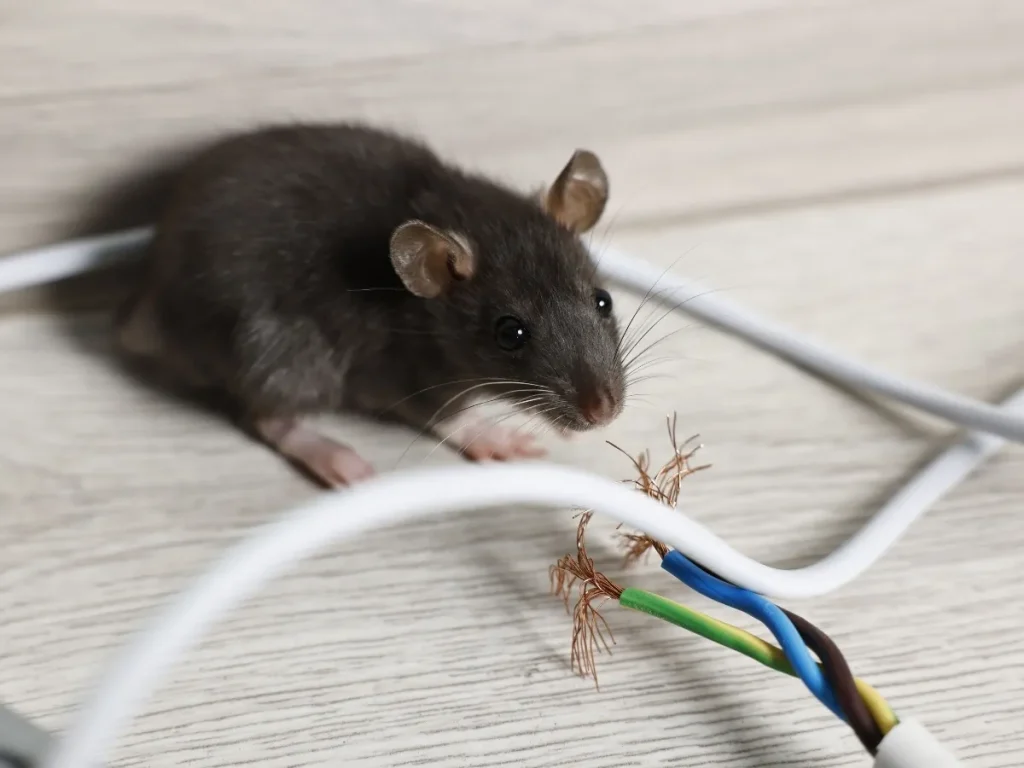
Effective pest control for vacation homes focuses on prevention, monitoring, and timely maintenance. Since these properties are often unoccupied for extended periods, pests can settle in unnoticed. Homeowners should start by eliminating potential attractants, such as exposed food, standing water, and cluttered storage areas. Sealing cracks, gaps, and entry points around doors, windows, and utility lines can also reduce the likelihood of rodents and insects gaining access. Taking these preventive measures before leaving the property ensures that pests have fewer opportunities to establish themselves.
Regular monitoring is another key aspect of vacation home pest control. Even if the property is not frequently occupied, periodic inspections or professional check-ins can help detect early signs of infestations. Using traps, baits, or preventative treatments around common entry points can further minimize pest activity. Many homeowners choose to enlist the services of a local pest control company to maintain a consistent inspection schedule, which helps prevent minor issues from becoming serious problems by the time they return.
Finally, maintaining a clean and well-kept environment is critical for long-term protection. Homeowners should ensure that trash is removed, drains are clear, and outdoor areas are tidy, as these factors reduce the likelihood of pests taking up residence. Ventilation and moisture control inside the home also make the environment less appealing to insects and rodents. By combining preventive maintenance, regular monitoring, and professional guidance, vacation home owners can enjoy their property without the worry of pest-related surprises.
Vacation homes are particularly vulnerable to pest infestations because they often remain unoccupied for extended periods. The lack of regular human activity creates a quiet and undisturbed environment that pests find highly attractive. Rodents, insects, and other small creatures are constantly searching for safe places to nest, and an empty property provides protection from predators and harsh weather. Areas such as basements, attics, and crawl spaces are especially appealing because they are dark, sheltered, and rarely disturbed, allowing pests to establish themselves without immediate detection.
In addition to providing shelter, vacation homes can inadvertently offer food and water sources that draw pests. Crumbs, improperly stored food, standing water, or minor leaks can quickly become magnets for insects and rodents in an unmaintained home. Regular cleaning, maintenance, and inspection are critical in preventing infestations. By understanding how pests exploit the quiet, sheltered conditions of vacation properties, homeowners can take proactive steps to secure their homes, reducing the likelihood of costly and difficult pest problems.
Sealing entry points is a crucial step in protecting a vacation home from pests during extended absences. Small cracks, gaps, and openings around windows, doors, rooflines, and foundations often serve as easy access points for insects and rodents. By carefully inspecting the exterior of the home and addressing these vulnerabilities, homeowners can significantly reduce the likelihood of unwanted visitors while the property is unoccupied. Taking preventive action before leaving ensures that the home remains secure and minimizes the risk of infestations.
Additional measures, such as installing door sweeps, applying weather stripping, and ensuring that windows and vents are properly screened, provide extra protection against pests. These barriers make it more difficult for insects and small animals to gain entry, complementing the sealing of structural gaps. Together, these steps create a comprehensive defense strategy that helps maintain a clean, pest-free environment in the vacation home until residents return.
Food is one of the main reasons pests enter homes. Even small crumbs or improperly stored items can attract rodents and insects. Removing food sources is an important part of vacation home pest control. Before leaving your property, check all kitchens and storage areas. Remove perishable food items and seal dry foods in airtight containers. Pantry shelves should be wiped clean to eliminate crumbs or spills. Garbage bins should also be emptied before you leave. Food waste left behind can attract pests quickly if the property remains empty for a long time.
Controlling moisture is essential for preventing pests, as damp environments create ideal conditions for insects and rodents. Excess moisture not only provides a necessary water source but also fosters a comfortable habitat where pests can thrive. For vacation homes, which often remain unoccupied for long periods, managing humidity and leaks becomes even more critical to reduce the risk of infestations.
Homeowners can take several steps to minimize moisture-related problems. Inspecting plumbing fixtures, pipes, and faucets for leaks before leaving the property helps prevent water accumulation. Installing a dehumidifier in basements, crawl spaces, or other prone areas can maintain a dry environment, while ensuring proper ventilation reduces overall humidity. By addressing moisture proactively, vacation home owners create conditions that are far less inviting to pests, supporting long-term pest prevention.
Clean and organized spaces make it harder for pests to find hiding places. Cluttered storage areas or unused rooms may provide shelter for rodents and insects. Maintaining cleanliness supports strong vacation home pest control practices. Before leaving the home, remove unnecessary clutter and organize storage areas. Cardboard boxes should be replaced with sealed plastic containers whenever possible. Regular cleaning removes dust, crumbs, and debris that may attract pests. A tidy environment reduces the chances of infestations developing while the property is empty.
Maintaining the yard and exterior of a vacation home is essential for effective pest control. Outdoor conditions such as overgrown vegetation, accumulated debris, and standing water can attract insects and rodents, bringing them closer to the property. By actively managing these areas, homeowners reduce the likelihood of pests approaching the home and improve the overall effectiveness of preventive measures. Regular yard maintenance not only enhances the appearance of the property but also plays a critical role in minimizing potential infestations.
Trimming trees and shrubs that touch the house is particularly important, as branches can serve as pathways for pests to reach windows, roofs, and other entry points. Additionally, removing piles of leaves, firewood, or other debris near the foundation eliminates potential shelters where pests may hide before attempting to enter the home. These proactive steps create a barrier between the property and surrounding wildlife, helping to ensure that the vacation home remains pest-free even during extended periods of vacancy.
If your vacation home will remain empty for an extended period, arranging occasional property checks can be helpful. A trusted neighbour, caretaker, or property manager can monitor the home for any unusual activity. Regular inspections support effective vacation home pest control by detecting early signs of pest problems. Catching these issues early prevents infestations from growing while the property is unattended. Inspections may include checking for droppings, unusual odours, or signs of nesting materials in basements or attics.
Even with careful preventive measures, vacation homes can still experience pest intrusions. Recognizing early warning signs is essential for homeowners to respond quickly and prevent infestations from becoming severe. Being able to identify these indicators allows for timely intervention, minimizing damage and reducing the effort required for eradication.
Common signs of pest activity include droppings in kitchens, pantries, or storage areas, which suggest the presence of rodents or insects. Chewed food packaging, wires, or other household materials indicate gnawing pests such as rats or mice. Scratching or scurrying sounds inside walls or ceilings can reveal active infestations, while unusual odors in closed rooms may signal the presence of pests or accumulated droppings. Additionally, visible insects around windows, lights, or entry points provide clear evidence that pests have gained access to the home. Recognizing these signs early allows homeowners to implement control measures promptly, maintaining a safe and pest-free environment.
Vacation homes can benefit greatly from professional pest control services. Pest control technicians can inspect the property, identify potential risks, and apply preventive treatments. Professional vacation home pest control ensures that pests are removed safely and effectively if they appear. Regular pest inspections can also detect hidden issues before they grow into larger infestations.
At TAG Pest Control, we provide dependable pest management services designed to protect seasonal properties. Our experienced technicians understand how pests behave in vacant homes and apply solutions that keep them away. You can learn more about our reliable pest control services and how we help homeowners protect their properties.
Vacation properties in Langley may experience pest activity due to changing weather conditions and nearby natural areas. Rodents and insects often seek shelter indoors when outdoor environments become harsh. Our team understands the pest challenges that affect homes in this region. We provide customized pest control solutions designed to protect vacation properties throughout the year. If you need help maintaining a pest free vacation home, our Langley pest control specialists are ready to assist with dependable services.
Proper vacation home pest control helps protect seasonal properties from unwanted pests while they remain unoccupied. Sealing entry points, removing food sources, controlling moisture, and maintaining the property are all effective preventive steps. Even with these precautions, professional pest control can provide added protection and peace of mind. Experienced technicians can identify potential risks and ensure your vacation home stays pest free.
If you want to protect your property from pest problems, proactive prevention is the best approach. Our team is ready to help you maintain a safe and comfortable vacation home. You can easily contact our team to schedule an inspection. At TAG Pest Control, we are committed to helping homeowners keep their vacation homes clean, safe, and pest free with reliable pest management solutions.