Ant Control Langley: Effective Treatments You Can Try
April 3, 2026
Few pests are as aggravating as ants suddenly appearing across countertops or along baseboards. Even after thorough cleaning, they often…
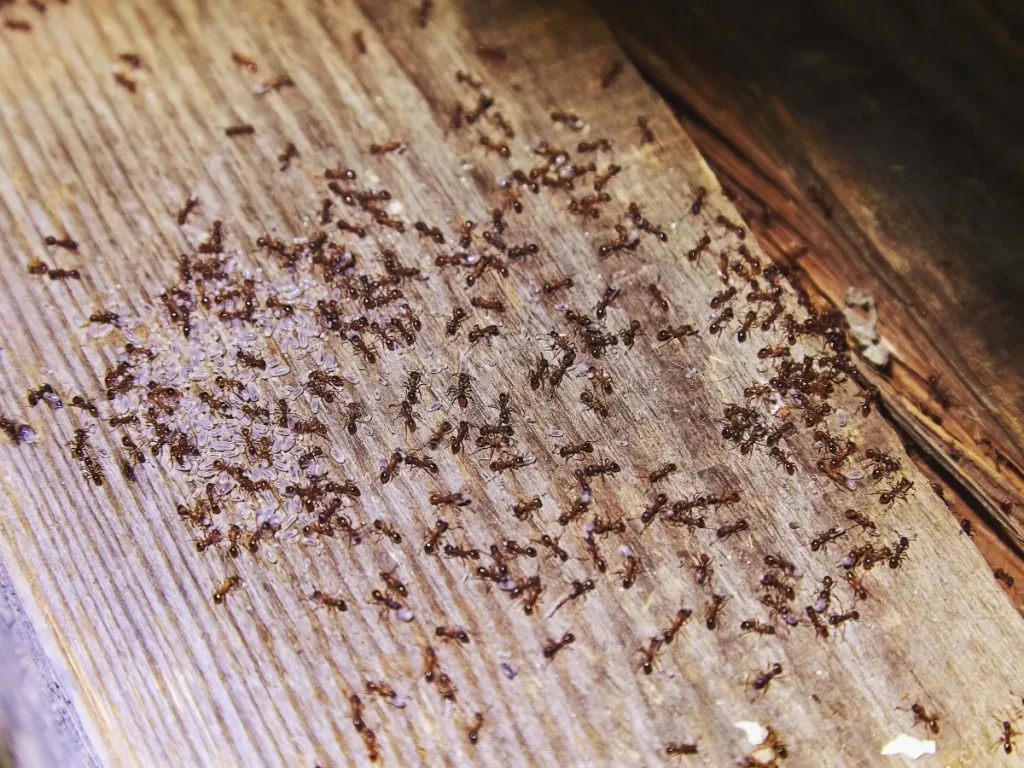
A sudden increase in ants inside a home often occurs when worker ants discover a reliable source of food or water. Ant colonies send out scouts to search for resources, and when one finds something valuable, it leaves a scent trail known as a pheromone trail. This chemical signal guides other ants from the colony directly to the source. As more ants follow the trail, the number of visible ants can increase rapidly, which is why it may seem like they appeared overnight. Even small food sources such as crumbs, sugary spills, or uncovered food containers can trigger this behavior.
Seasonal changes can also contribute to sudden ant infestations. During warmer months, ant colonies become more active as they expand and search for additional food to support their growing populations. Heavy rain or changes in outdoor conditions may also drive ants indoors when their nests are disturbed or flooded. Homes provide stable temperatures, moisture, and access to food, making them attractive environments for ants seeking shelter and resources. Once ants establish a path inside, they will continue returning as long as the food source remains available.
Preventing large numbers of ants from entering the home often involves removing the conditions that attract them. Keeping kitchen surfaces clean, wiping up spills quickly, and storing food in sealed containers can reduce the chances of ants finding something to collect. Sealing cracks around windows, doors, and foundations can also limit entry points that ants use to access indoor spaces. However, if an infestation becomes persistent or widespread, professional pest control may be necessary. Experts such as the team at TAG Pest Control can identify the source of the infestation, eliminate the colony, and provide guidance to help prevent ants from returning.
Understanding how ant colonies function can help explain why a sudden ant infestation may appear inside a home. Ants live in organized communities that may contain thousands of individuals, including worker ants, a queen, and developing young. The queen’s primary role is reproduction, while worker ants are responsible for gathering food, caring for the colony, and expanding the nest. When worker ants leave the nest to search for food or water, they explore nearby areas and communicate with other ants once they find a suitable source.
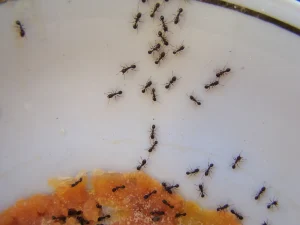
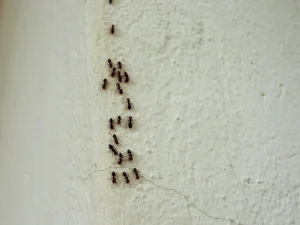
One of the most effective communication methods ants use is a chemical scent trail. When a worker ant discovers food, it releases pheromones that create a trail leading back to the colony. Other ants follow this scent path, which quickly results in many ants traveling the same route to collect food. This behavior explains why ants often appear in visible lines along walls, floors, or kitchen counters. Even if a few ants are removed, the trail may remain active, allowing more ants to continue arriving. If the food source is not eliminated or the scent trail disrupted, the colony may repeatedly send workers back to the same location.
One of the main causes of a sudden ant infestation is easily accessible food. Ants are attracted to sweet, sugary, and greasy foods. Even tiny crumbs or spills can attract them into kitchens and dining areas. Some common food sources that attract ants include:
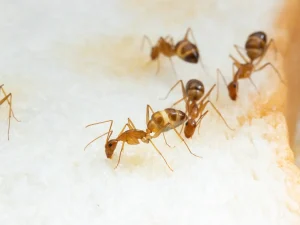
Ants can detect food from impressive distances. When one ant finds a food source, it signals the rest of the colony. Within hours, dozens or even hundreds of ants may appear. Keeping food areas clean and sealed is one of the most effective ways to reduce ant activity in your home.
Weather changes often play a major role in a sudden ant infestation. Heavy rain or extreme heat can force ants to search for new shelter. When outdoor nests become flooded or disturbed, ants may move indoors. Homes provide a stable environment where ants can find warmth, protection, and food. Cracks in foundations or gaps around doors and windows allow ants to enter easily.
Once inside, they explore kitchens, bathrooms, and basements for resources. Seasonal changes in spring and summer also increase ant activity. During these months, colonies expand rapidly and worker ants search for more food. This increase in foraging behaviour can lead to noticeable infestations inside homes.
Water can play a significant role in attracting ants into a home and may contribute to a sudden ant infestation. Like all living organisms, ants require moisture to survive, and they often search for reliable water sources near their food supply. When a home provides easy access to water, ants may return frequently and establish regular foraging routes indoors. Even small amounts of moisture can be enough to attract worker ants from nearby colonies.
Several common household conditions can provide the moisture ants are looking for. Leaky pipes under sinks, damp basements, wet sponges or dishcloths left near sinks, pet water bowls, and condensation around windows can all serve as water sources. Kitchens and bathrooms are particularly attractive to ants because these areas often provide both food and moisture in close proximity. Addressing these issues by repairing leaks, drying damp areas, and reducing excess moisture can make the home less appealing to ants and help prevent them from returning.
Sometimes ants appear suddenly because their nest is located close to your house. Colonies often build nests in soil, under rocks, or near building foundations. If the colony grows large, worker ants may begin exploring nearby homes for food. This situation can lead to a sudden ant infestation when the colony discovers food inside. Because the nest is nearby, ants can quickly travel back and forth between the nest and your home. Outdoor conditions can also affect nest behaviour. Changes in soil moisture or temperature may encourage ants to relocate or expand their search for resources. Inspecting areas around the home’s foundation can sometimes reveal outdoor nests.
Ants are very small insects and can enter homes through openings that are easy to overlook. Even tiny cracks or gaps around a building’s exterior can provide enough space for ants to pass through. When ants discover these entry points, they may begin using them regularly while searching for food and water inside the home. This is one reason why a sudden ant infestation can occur seemingly without warning, as ants may have been entering through unnoticed openings for some time.
Several areas around a home can serve as common entry points for ants. Cracks in foundations, gaps around windows and doors, openings near pipes or utility lines, damaged weather stripping, and small holes in siding can all allow ants to slip indoors. Once a worker ant finds a successful path into the home, it can leave a scent trail that guides other ants along the same route. As more ants follow this trail, the activity becomes more noticeable inside living spaces. Sealing these small gaps and repairing damaged exterior areas can help block these pathways and reduce the chances of ants entering the home.
Seasonal swarming is another reason homeowners may experience a sudden ant infestation. During certain times of the year, particularly in warm months, many ant species produce winged ants known as swarmers or reproductive ants. These ants leave their original colony in large numbers to mate and establish new nests. This natural process is part of the colony’s life cycle and often occurs when conditions such as temperature and humidity are favorable.
During a swarm, winged ants may gather near windows, doors, or indoor lights as they search for places to exit or potential locations to start new colonies. Although these ants usually disappear after a short period, their sudden appearance indoors can be concerning. If swarming ants are seen inside the home, it may suggest that a colony is located very close to the building or possibly within the structure itself. Observing this activity can be an early sign that ants have established a nest nearby, which may require attention to prevent further infestation.
Preventing ants from entering the home begins with removing the conditions that attract them in the first place. Ants are usually drawn indoors by accessible food, moisture, and small entry points that allow them to travel inside. By maintaining good household habits and reducing these attractants, homeowners can significantly lower the chances of experiencing a sudden ant infestation. Consistent cleaning and proper food storage make it harder for ants to find reliable resources inside the home.
Several simple prevention steps can help keep ants away. Cleaning kitchen surfaces daily and sweeping floors helps remove crumbs and food residue that attract ants. Storing food in sealed containers prevents ants from accessing pantry items, while fixing leaks and reducing moisture removes water sources they depend on. Sealing cracks and gaps around doors, windows, and foundations can block the small openings ants use to enter. Keeping outdoor garbage bins tightly closed also helps reduce food odors that may attract ants to the property. In addition, regular home inspections can help identify early signs of ant activity so that small issues can be addressed before they develop into larger infestations.
While small ant problems can sometimes be handled with basic cleaning and prevention, larger infestations often require professional treatment. Ant colonies can be hidden inside walls, soil, or foundations, making them difficult to eliminate completely. Professional pest control technicians understand how ant colonies behave and where they hide.
They use proven methods to remove infestations and prevent ants from returning. At TAG Pest Control, we offer reliable solutions for homeowners dealing with ant problems. Our experienced technicians locate the source of the infestation and apply targeted treatments. You can learn more about our professional pest control services and how we protect homes from persistent ant activity.
Homeowners in Langley often experience ant activity during spring and summer. Warm weather encourages colonies to grow and search for food. This can lead to sudden ant invasions in kitchens, patios, and basements. Our team understands the pest challenges that affect homes in this area. We provide effective treatments designed to eliminate ant colonies and prevent future infestations. Our approach focuses on long term protection for your home. If ants are becoming a problem, our Langley pest control specialists can help provide reliable solutions.
A sudden ant infestation can feel overwhelming, especially when ants appear in large numbers without warning. In most cases, ants are simply responding to food, water, or shelter inside the home. Understanding these triggers can help homeowners take action quickly. Cleaning food sources, sealing entry points, and reducing moisture can greatly reduce ant activity. However, large colonies may require professional pest control to eliminate the problem completely.
If ants are appearing throughout your home, it may be time to seek expert assistance. Our team is ready to help you protect your home and prevent future infestations. You can easily contact our team to schedule an inspection. Keeping ants out of your home helps maintain a clean and comfortable living environment. At TAG Pest Control, we are committed to providing effective pest management solutions that keep homes protected year round.