Rodent Control Near Me
February 22, 2026
At TAG Pest Control, we recognize how alarming it is to suspect rodents inside a property. Scratching sounds above the…
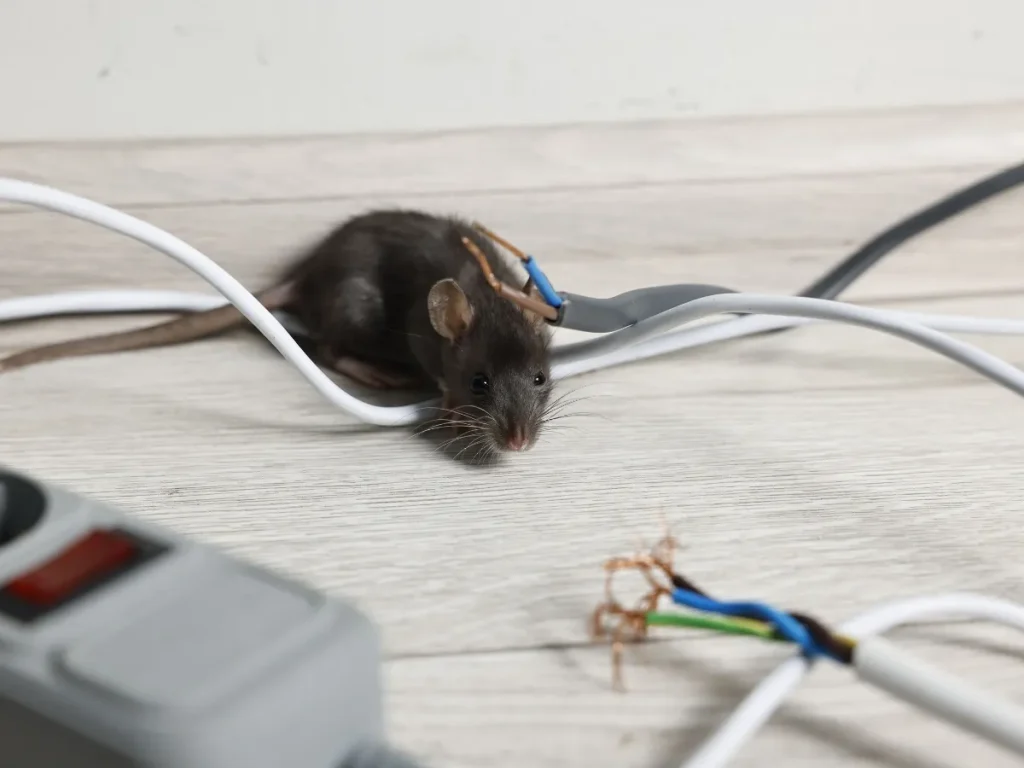
Rodent prevention in apartment buildings requires consistent attention to sanitation, maintenance, and structural protection. Mice and rats are attracted to places where food and water are easily available, which makes shared residential buildings particularly vulnerable. Improperly stored trash, food debris in common areas, and accessible garbage rooms can quickly attract rodents. Once rodents locate a reliable food source, they may begin nesting nearby and spreading throughout the building. Keeping trash areas clean, using sealed garbage containers, and maintaining regular cleaning schedules are important steps in reducing these attractants.
Structural maintenance also plays a key role in preventing rodents from entering and moving between units. Even small openings around pipes, vents, electrical lines, and baseboards can provide pathways for mice and rats. Because rodents can squeeze through very small spaces, sealing these gaps is essential in apartment environments where units are closely connected. Maintenance teams should regularly inspect hallways, utility areas, basements, and exterior walls for cracks or openings. Sealing these access points with durable materials helps block entry and limits rodents’ ability to travel from one unit to another.
Cooperation between property managers and residents is another important part of successful rodent prevention. Tenants can help by properly storing food, reporting signs of rodent activity, and maintaining cleanliness inside their apartments. Property managers, in turn, should ensure regular inspections and professional pest control services are in place. Early detection allows problems to be addressed before they spread through the building. At TAG Pest Control, we work closely with property managers and residents to identify risk areas and implement rodent prevention strategies that help keep apartment communities safe and pest free.
Apartment buildings often create favorable conditions for rodents because they bring together many food sources, shelter options, and warm environments in a single structure. With multiple residents living in close proximity, food waste and crumbs may accumulate in kitchens, garbage areas, or shared spaces, giving rodents plenty of opportunities to find nourishment. Even small amounts of accessible food can attract mice or rats and encourage them to remain in the building. For this reason, rodent prevention strategies in apartments are important for reducing the factors that make these environments appealing.
Rodents are also highly skilled at moving through hidden pathways within buildings. They can travel through wall cavities, ventilation systems, and small openings around plumbing or utility lines, allowing them to move between units without being seen. Once rodents gain access to the structure, they may explore different apartments while searching for food and nesting materials. Common areas such as garbage rooms, storage spaces, and basements often provide the warmth and shelter rodents need to build nests and reproduce. Because these areas can support rodent activity, maintaining proper sanitation and structural maintenance throughout the building is essential for preventing infestations.
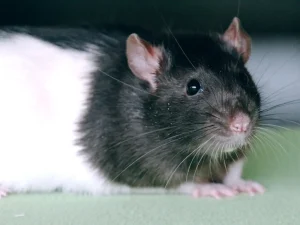
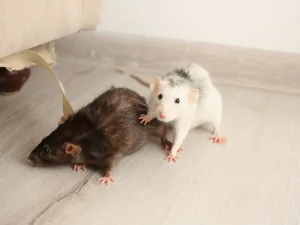
The most common rodents found in apartment buildings are mice and rats. Each species behaves differently but both can cause damage and health concerns. Understanding these pests is important for effective rodent prevention apartments plans. House mice are small and able to squeeze through extremely tiny openings. They often nest inside walls, cupboards, or storage areas close to food sources.
Mice reproduce quickly, which allows small infestations to grow rapidly. Rats are larger and often live in basements, crawl spaces, or garbage areas. They are strong climbers and may enter buildings through sewer systems or damaged foundations. Both mice and rats can contaminate food and spread bacteria.
One of the most important steps in rodent prevention apartments is sealing entry points. Rodents can enter buildings through surprisingly small gaps. A mouse can fit through an opening the size of a coin, while rats need only slightly larger spaces. Building managers should inspect both interior and exterior areas for gaps and cracks.
Common entry points include openings around pipes, damaged siding, or gaps under doors. Repairing these areas helps prevent rodents from entering the structure. Door sweeps, weather stripping, and proper sealing materials can block many of these entry points. Regular inspections help ensure these barriers remain effective over time.
Proper garbage management is a critical part of preventing rodent activity in apartment buildings. Garbage areas often contain food waste and organic materials that can easily attract mice and rats. When trash is left exposed or allowed to accumulate, it creates a reliable food source that encourages rodents to remain nearby. As part of effective rodent prevention strategies in apartments, garbage bins should be equipped with tight-fitting lids that prevent pests from accessing the contents. Regular trash removal is also important to avoid large buildups of waste that can draw rodents into the area.
Residents can play an important role in maintaining these prevention efforts. Sealing garbage bags securely before disposal helps reduce odors that attract pests and prevents food scraps from spilling out. Properly disposing of food waste and avoiding loose trash around disposal areas can make a significant difference in limiting rodent activity. In addition, keeping garbage rooms or outdoor waste areas clean and well maintained helps remove the conditions that rodents rely on for food. When waste management is handled consistently and carefully, apartment buildings become far less appealing to rodents seeking easy meals and shelter.
Shared areas such as hallways, laundry rooms, and storage spaces can sometimes attract pests. If these spaces are not cleaned regularly, crumbs and debris may accumulate. This creates opportunities for rodents to find food and shelter. Maintaining clean common areas is an important part of rodent prevention apartments practices. Regular cleaning removes food sources and reduces hiding places for pests. Property managers should ensure that storage areas remain organized and clutter free. Removing unused items or debris prevents rodents from building nests in these spaces.
Individual apartments can also play a role in attracting rodents. Food that is left exposed or stored improperly can draw mice and rats into units. Proper food storage is essential for successful rodent prevention apartments efforts. Residents should store food in sealed containers whenever possible. This includes pantry items such as grains, cereal, and snacks. Even pet food should be stored securely to prevent rodents from accessing it. Cleaning kitchen surfaces regularly and removing crumbs helps eliminate food sources. These habits make apartments less attractive to rodents searching for meals.
Plumbing and utility openings are common entry points that rodents use to access apartment buildings. Pipes, electrical conduits, and cable lines often pass through walls, ceilings, and floors, and if these openings are not properly sealed, small gaps may remain around them. Even very small spaces can allow rodents such as mice to squeeze through and enter hidden areas of the building. Once inside, they can travel through wall cavities, ceilings, and service corridors, making it easier for them to spread throughout multiple units. Because these access points are often located in less visible areas, they may go unnoticed unless they are specifically inspected.
Regularly inspecting and sealing these openings is an important part of rodent prevention in apartment buildings. Maintenance teams should pay close attention to areas where plumbing and utilities pass through structural surfaces and ensure that gaps are properly sealed with durable materials. Basements, mechanical rooms, and utility spaces require particular attention because they frequently contain multiple pipe and cable penetrations that rodents may use as pathways. Conducting routine inspections in these locations helps identify vulnerabilities before they become serious problems and supports a more effective, building-wide rodent prevention strategy.
Successful rodent prevention in apartment buildings requires cooperation from everyone in the building. Residents play an important role in maintaining clean spaces and reporting pest activity quickly. Education is a key part of effective rodent prevention apartments strategies. Property managers can provide residents with simple guidelines for preventing rodents. These guidelines may include:
Despite strong prevention efforts, rodents may still find ways into apartment buildings. Once an infestation begins, professional pest control is often required to remove the problem completely. Rodents can hide deep within walls, ceilings, and structural spaces that are difficult to access. Pest control professionals have the training and tools needed to locate nests and eliminate infestations safely.
At TAG Pest Control, we provide reliable pest management solutions designed for apartment buildings. Our experienced technicians understand the unique challenges of rodent prevention apartments and use proven methods to remove rodents and prevent their return. You can learn more about our professional pest control services and how we help protect multi unit properties.
Apartment buildings in Langley may experience rodent activity due to seasonal changes and surrounding environments. Rodents often seek shelter indoors during colder months, which increases the risk of infestations. Our team understands the pest challenges that property managers and residents face in this region. We provide targeted pest control solutions designed to protect apartment buildings from rodents and other pests. If you are dealing with rodent problems, our Langley pest control specialists are ready to help with professional pest management services.
Implementing strong rodent prevention apartments strategies is essential for keeping multi unit buildings safe and comfortable. Sealing entry points, maintaining sanitation, and managing garbage can greatly reduce rodent activity. When property managers and residents work together, preventing rodents becomes much easier. However, professional pest control may still be needed if an infestation develops.
If rodents are becoming a concern in your building, taking action early can prevent the problem from spreading. Our experienced team is ready to help protect your property and restore peace of mind. You can easily contact our team to schedule an inspection. At TAG Pest Control, we are proud to support apartment communities with dependable pest management solutions that keep residents safe and buildings pest free all year long.