Signs You Need Professional Pest Control in Your Langley Home
January 19, 2026
At TAG Pest Control, we often speak with homeowners who wonder if their pest problem is serious enough to call…
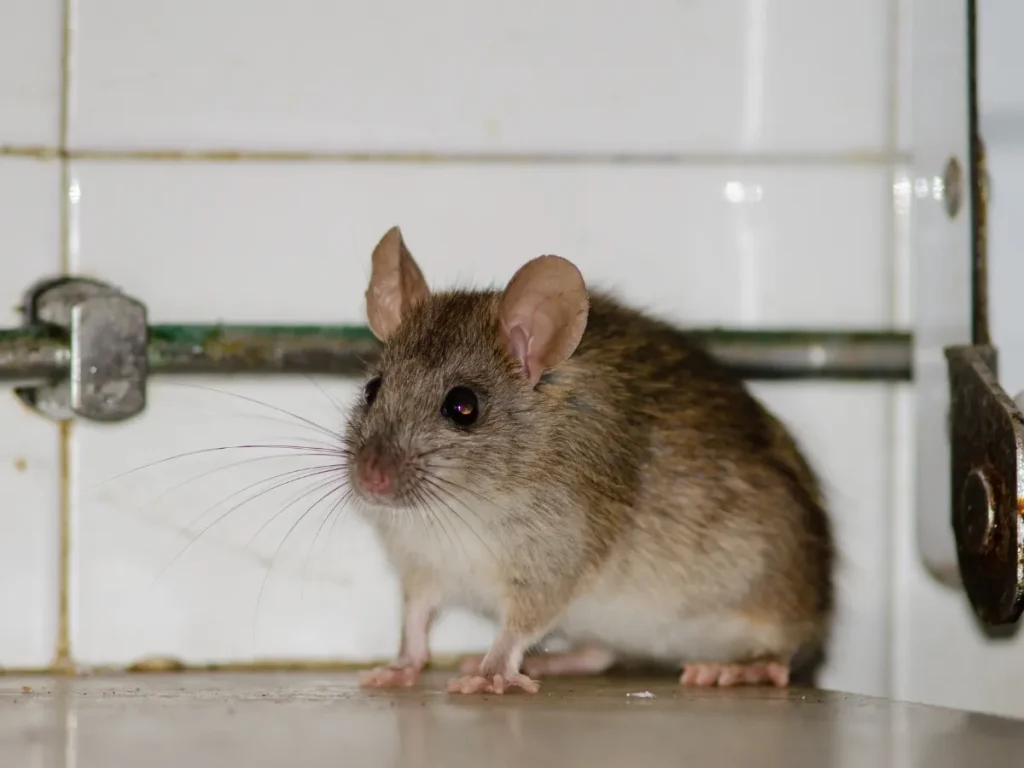
Identifying pest droppings is an important step in recognizing an infestation early and determining what type of pest you may be dealing with. Different pests leave behind distinct droppings in terms of size, shape, and location. For example, rodent droppings are typically small, dark, and pellet-shaped, often found along walls, in cabinets, or near food sources. Cockroach droppings may look like black pepper or coffee grounds, while larger pests such as rats leave thicker, more blunt-ended droppings. Paying attention to these details can help you narrow down the source of the problem.
The location of droppings can also provide valuable clues about pest activity. You may find them in hidden or undisturbed areas such as under sinks, behind appliances, inside drawers, or in basements and attics. Accumulations in one area often indicate nesting or frequent movement paths. In addition to droppings, you might notice other signs like strong odors, grease marks, or gnaw damage, which can further confirm the presence of pests. Recognizing these patterns early allows you to act before the infestation spreads.
Once you identify pest droppings, it is important to handle the situation carefully. Avoid direct contact, as droppings can carry bacteria and other harmful pathogens. Use gloves and proper cleaning methods to safely remove contaminated materials, and disinfect the area thoroughly. More importantly, address the root cause by sealing entry points, eliminating food sources, and monitoring for continued activity. If the problem persists or worsens, contacting a professional pest control service ensures proper identification and effective treatment to fully resolve the issue.
Identifying pest droppings is one of the most effective ways to detect an infestation in its early stages. While many pests remain hidden in walls, ceilings, or other secluded areas, their droppings are often left behind in more visible spaces such as kitchens, storage areas, or along baseboards. These signs can provide important clues about the type of pest, the level of activity, and the areas they frequent. By recognizing these indicators quickly, homeowners can take targeted action before the infestation becomes more widespread.
Ignoring droppings can allow pest problems to escalate rapidly, as many species reproduce quickly and expand their presence throughout the home. In addition to signaling an active infestation, droppings also pose health risks, as they can carry bacteria and contaminate surfaces or food sources. Prompt cleanup and proper identification are essential steps in reducing these risks. Taking early action not only helps prevent further damage to the property but also supports a cleaner, safer living environment, making droppings identification a key part of ongoing home maintenance.
Different pests leave behind different types of droppings. Knowing how to tell them apart can help you choose the right solution.
Rodent droppings are among the most common signs found in homes. They are usually small, dark, and shaped like grains of rice. Fresh droppings are soft and moist, while older ones become dry and brittle. You will often find these droppings near food sources, along walls, or in hidden areas like cupboards and basements. Rodents tend to leave droppings as they travel, so they may appear in multiple locations.
Cockroach droppings can look like black pepper or coffee grounds. In some cases, they may appear as small, dark cylinders. These droppings are often found in kitchens, bathrooms, and other areas with moisture. They tend to gather in corners, inside cabinets, or behind appliances. A strong, musty odour may also be present when infestations are more severe.
Bed bug droppings are very small and appear as dark or rust coloured spots. They are often found on mattresses, bedding, or nearby furniture. These spots may look like ink stains and can smear if touched. Bed bugs usually stay close to where people sleep, so their droppings are often found in those areas.
Ants do not leave droppings in the same way as other pests. Instead, they leave behind small piles of debris that may include soil, food particles, or insect parts. These piles are often found near entry points or nesting areas. They can look like tiny mounds and may be mistaken for dirt at first glance.
Knowing where to look for pest droppings is essential for early detection and effective control. Pests typically leave droppings in areas where they travel, feed, or nest, making certain parts of the home more likely to show signs of activity. Kitchens are a common hotspot, especially inside cupboards and pantry spaces where food is stored. Areas behind appliances like stoves and refrigerators also provide warmth and shelter, while spaces under sinks and around plumbing offer moisture that attracts many pests. Less frequently visited areas such as basements, attics, and crawl spaces are also prime locations for hidden activity.
In addition, pests often travel along walls and baseboards, using these edges as pathways throughout the home. Droppings found in these areas can indicate regular movement between nesting and feeding sites. By routinely checking these key locations, homeowners can identify early warning signs before an infestation spreads. Consistent monitoring not only helps locate the source of the problem but also allows for quicker action, reducing potential damage and maintaining a cleaner, healthier living environment.
Recognizing whether droppings are recent can help determine if pests are currently active in your home. Fresh droppings are typically darker in color and may appear moist, soft, or slightly shiny. These characteristics indicate that the pests are nearby and actively moving through the area. Finding fresh droppings is often a sign that immediate action is needed to prevent the problem from worsening.
In contrast, older droppings tend to look faded, dry, and brittle, often crumbling easily when disturbed. If you notice a mix of both fresh and old droppings, it usually suggests an ongoing infestation rather than a past issue. Paying close attention to these differences can help you assess the urgency of the situation and decide when to take further steps, such as increasing monitoring or contacting a professional for assistance.
Pest droppings are not just unpleasant to see. They can also pose health risks. Many pests carry bacteria and allergens that can affect your indoor environment. For example, rodent droppings can spread harmful bacteria, while cockroach droppings may trigger allergies or asthma. These risks make it important to address the issue quickly and safely. Avoid direct contact with droppings and clean affected areas carefully. In many cases, professional help is the safest option.
If you discover pest droppings in your home, it is important to act right away. Ignoring the issue can allow pests to spread and cause more damage. Start by cleaning the affected area using proper safety measures. Wear gloves and avoid stirring up dust. Then, look for signs of entry points or nesting areas. However, identifying the pest and eliminating it fully can be challenging without expert support. That is where professional services can help. You can learn more about how we handle infestations through our pest control services.
Once a pest issue has been resolved, shifting focus to prevention is essential to avoid repeat infestations. Many pests are drawn to easy access, food sources, and moisture, so addressing these factors can significantly reduce the chances of them returning. Sealing cracks, gaps, and other entry points helps block access, while proper food storage in airtight containers removes a major attraction. Keeping the home clean and free of clutter also limits hiding spots and makes it easier to spot early signs of activity.
Ongoing maintenance plays a crucial role in long-term pest control. Fixing leaks and reducing excess moisture can make your home less inviting to pests that thrive in damp environments. Regular inspections, both inside and outside, help identify potential problem areas before they develop into infestations. By consistently applying these simple yet effective practices, homeowners can maintain a safer, healthier living space and minimize the risk of future pest problems.
Some infestations are difficult to handle on your own, especially if pests are hidden behind walls or in hard to reach areas. If you continue to see droppings or signs of activity, it is time to call a professional. At TAG Pest Control, we use proven methods to identify and eliminate pests safely. If you are in the area, our Langley pest control team is ready to provide reliable solutions tailored to your needs.
Professional treatment ensures that the problem is fully resolved and helps prevent it from returning. Keeping your home free from pests is essential for both comfort and safety. By learning how to identify droppings and respond quickly, you can reduce risks and maintain a healthy environment. Staying proactive and informed makes a big difference in preventing infestations. It also gives you peace of mind knowing your home is protected.
Understanding pest droppings identification helps you detect problems early and take the right steps to protect your home. From recognizing different types of droppings to knowing where to look, these insights can make pest control more manageable. At TAG Pest Control, we are here to support you with expert advice and reliable solutions. If you suspect a pest issue or want a professional inspection, reach out through our contact page today. Let us help you keep your home clean, safe, and pest free with confidence.