Signs You Need Professional Pest Control in Your Langley Home
January 19, 2026
At TAG Pest Control, we often speak with homeowners who wonder if their pest problem is serious enough to call…
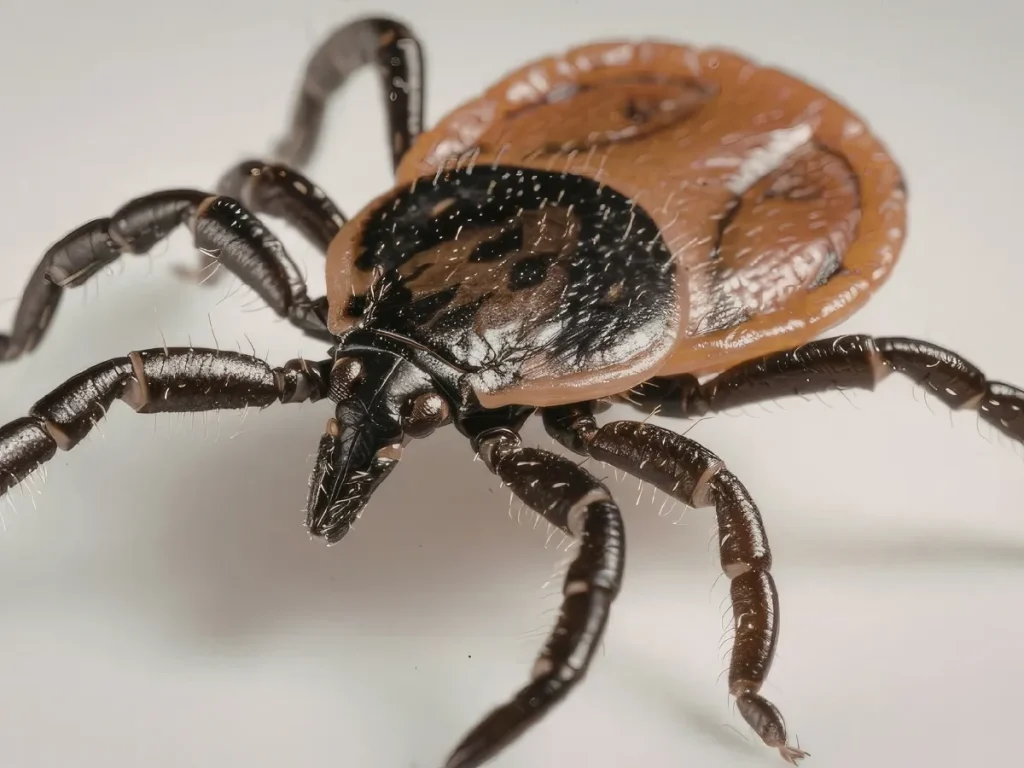
Pest control in homes with pets requires a careful balance between effectiveness and safety. Many common pests such as fleas, ticks, ants, and rodents can affect both the home and your pets, making prevention especially important. Keeping living spaces clean by vacuuming regularly, washing pet bedding, and cleaning up food and water bowls can help reduce attractants. It is also important to store pet food in sealed containers and avoid leaving it out for long periods, as this can draw insects and rodents into the home. Maintaining good hygiene for both your home and your pets helps create an environment that is less appealing to pests.
When using pest control products, safety should always be a top priority for pet owners. Some over the counter sprays, powders, or traps may contain ingredients that can be harmful if pets come into contact with them. Always read product labels carefully and follow instructions to ensure proper use. Whenever possible, choose pet safe treatments or consult with professionals who use methods designed to minimize risk. Keeping pets away from treated areas until products have dried or settled is another important step in preventing accidental exposure.
Professional pest control services can provide added reassurance for households with pets. Trained technicians understand how to apply treatments safely while still achieving effective results. They can also recommend customized solutions based on the type of pest and the presence of pets in the home. In addition to treatment, professionals can help identify entry points and conditions that may be attracting pests. At TAG Pest Control, we prioritize safe pest control practices that protect both your home and your pets, giving homeowners confidence that their living environment remains clean, comfortable, and secure.
Pest control is especially important for pet owners because pests can pose direct risks to animal health as well as the home environment. Insects such as fleas and ticks can attach to pets and spread bacteria or parasites that may lead to illness or discomfort. Rodents can also carry diseases and create unsafe conditions by chewing on wires or damaging structures within the home. In addition, pests like ants and cockroaches may contaminate pet food or feeding areas, increasing the risk of exposure to harmful substances.
Pets are often more vulnerable to pests because they spend time on floors, carpets, and outdoor areas where pests are commonly found. They may come into contact with insects or contaminated surfaces more frequently than humans. For this reason, practicing safe pest control methods that consider the presence of pets is essential. Using targeted treatments, maintaining cleanliness, and reducing pest attractants can help protect both the home and the well-being of pets, creating a safer and more comfortable living environment.
Several common household pests can directly or indirectly affect the health and comfort of pets. Fleas and ticks are among the most concerning because they feed on animals and can transmit parasites or diseases. Ants and cockroaches may not bite pets as frequently, but they can contaminate food bowls, bedding, and feeding areas, creating unsanitary conditions. Rodents can also pose risks by spreading bacteria and potentially causing damage within the home, while some spiders may bite if disturbed, leading to irritation or discomfort for pets.
These pests can impact pets in different ways, from causing skin irritation and allergic reactions to contaminating the areas where pets eat, sleep, and play. Because pets often spend time on floors and in outdoor spaces, they are more likely to encounter these pests. Preventing infestations through proper sanitation, regular cleaning, and safe pest control practices is an important part of maintaining a healthy environment. By reducing pest activity, homeowners can help protect their pets from potential health risks and discomfort.
Many pet owners worry about using pest control products in their homes. While some products may require caution, professional pest management focuses on methods designed to be safe when applied correctly. The key to pest control with pets is using targeted treatments and following safety guidelines. Professional technicians understand how to apply treatments in areas where pests hide while limiting exposure to pets. Homeowners can also support safe pest management by following several simple practices.
Keeping pet food and water areas clean is an important step in preventing pests from entering the home. Leftover pet food, crumbs, and spills can easily attract insects such as ants and cockroaches, which are always searching for accessible food sources. When food is left out for long periods, it increases the chances that pests will find and return to the same area repeatedly. By cleaning feeding spaces regularly, homeowners can remove these attractants and make the environment less appealing to pests.
Simple habits can make a significant difference in maintaining a pest-resistant home. Washing pet food and water bowls daily helps eliminate residue that might attract insects, while storing pet food in sealed containers prevents pests from accessing it. It is also helpful to avoid leaving uneaten food out overnight. Maintaining a clean and organized feeding area not only supports pest control efforts but also contributes to a healthier environment for pets and the household overall.
A clean home reduces the chances of pests finding food and shelter. Vacuuming floors, cleaning spills, and removing clutter can make a big difference. Pets may carry dirt or debris indoors after spending time outside. Regular cleaning helps remove materials that could attract pests. Laundry areas, pet bedding, and sleeping spaces should also be cleaned often to maintain a healthy environment.
Pests often enter homes through small cracks or gaps around doors, windows, and foundations. Sealing these openings helps prevent insects and rodents from entering. Weather stripping and caulking can help close these gaps. Door sweeps are also useful for blocking pests from slipping under doors. By limiting entry points, homeowners can reduce the need for treatments and support safer pest control with pets.
Managing outdoor spaces is an important part of pest prevention, especially in areas where pets spend time. Yards can easily become attractive to pests if they provide food, water, or shelter. Overgrown grass, standing water, and unmaintained areas create ideal conditions for insects and rodents to thrive. By keeping the yard well maintained, homeowners can reduce the number of places where pests can live and help create a safer environment for both pets and people.
Simple maintenance habits can make a noticeable difference in limiting pest activity. Keeping grass trimmed reduces hiding spots, while removing standing water eliminates breeding areas for insects. Securing garbage bins and regularly cleaning pet waste areas helps remove food sources that attract pests. Trimming tree branches away from the home also prevents pests from using them as pathways to access the structure. Together, these steps help reduce pest habitats and support a cleaner, more controlled outdoor environment.
Many store bought pest control products contain chemicals that may not be suitable for homes with pets if used incorrectly. Sprays, powders, and traps may pose risks if pets come into contact with them. When using any pest control product, always read and follow the label instructions carefully. Keep pets away from treated areas until the product has dried or settled. In many cases, professional pest control services offer safer and more effective solutions than do it yourself treatments.
Professional pest control companies understand the importance of protecting pets during treatments. Technicians select products and application methods that minimize exposure to pets while still controlling pests effectively. At TAG Pest Control, our team carefully evaluates each property before applying treatments. We focus on areas where pests hide, such as cracks, wall voids, and outdoor entry points. This targeted approach supports safe pest control with pets. Pet owners can also speak with technicians about their pets so that any necessary precautions can be taken during treatment.
Even with good prevention habits, pests may still find their way inside a home. Recognizing early warning signs can help homeowners address problems before they grow. Signs of pest activity may include:
If these signs appear, it may be time to consider professional pest management. Homeowners can explore our full range of pest control services to learn how we safely handle pest problems. Residents dealing with local pest issues can also benefit from our specialized Langley pest control services.
Preparing pets before a pest control treatment is important to keep them safe and minimize stress. Many treatments involve chemicals or sprays that can be harmful if pets come into direct contact with them. By following simple preparation steps, pet owners can help ensure the process is both safe and effective. Keeping pets in a separate room or area during treatment prevents accidental exposure and allows technicians to work without interruption.
Additional precautions include removing pet toys, food bowls, and bedding from areas being treated, as these items could come into contact with pesticides. If aquariums are present, covering them helps protect the water and fish from contamination. It is also essential to carefully follow any instructions provided by the pest control technician, including guidelines for when pets can safely return to treated areas. Taking these precautions helps protect pets while allowing pest treatments to be carried out effectively.
Pets bring comfort and joy to a home, but they also require extra consideration when dealing with pest problems. Safe pest control with pets focuses on preventing pests while ensuring animals remain protected. By keeping homes clean, sealing entry points, and maintaining outdoor spaces, homeowners can reduce the risk of pest infestations. When pests do appear, professional pest control services provide effective solutions that prioritize safety.
At TAG Pest Control, we understand the importance of protecting both homes and the pets that live in them. Our experienced team offers reliable pest management designed to keep your property safe and comfortable. If you need help managing pests in a pet friendly way, feel free to contact our team today and let us help you create a healthier environment for your entire household.