Signs You Need Professional Pest Control in Your Langley Home
January 19, 2026
At TAG Pest Control, we often speak with homeowners who wonder if their pest problem is serious enough to call…
Protecting your garden from pests begins with maintaining a healthy and well cared for environment. Strong plants are often better able to resist pest damage, so proper watering, soil care, and regular maintenance are important. Removing dead leaves, fallen fruit, and plant debris helps reduce places where pests can hide or breed. It is also helpful to inspect plants regularly for signs of insect activity, such as holes in leaves, damaged stems, or unusual discoloration. Early detection allows gardeners to address problems before pests spread throughout the entire garden.
Another effective garden pest control strategy is creating natural barriers and deterrents. Fencing can help keep larger pests such as rabbits or small animals away from vegetable beds. Netting or garden covers can protect fruits and vegetables from insects and birds that feed on crops. Some gardeners also use companion planting, where certain plants help repel pests naturally. For example, herbs and strongly scented plants may discourage insects from approaching nearby vegetables or flowers. These methods can help reduce pest activity without harming the garden environment.
Regular monitoring and proper garden maintenance are essential for long term pest control. Checking plants frequently allows gardeners to spot early warning signs and take action quickly. Removing pests by hand, pruning damaged areas, or using safe pest control products when necessary can help protect plants from further harm. Keeping the garden tidy and well maintained also discourages pests from settling in the area. At TAG Pest Control, we encourage homeowners to combine these preventive practices with professional advice when needed to keep gardens healthy and protected from pest damage.
Gardens often attract pests because they provide many of the resources insects and small animals need to survive. Plants serve as a consistent food source, offering leaves, fruits, seeds, and nectar that many pests depend on. The soil and dense foliage in gardens also create natural hiding places where pests can remain protected during the day. In addition, regular watering keeps the environment moist, which supports the activity of many insects that thrive in damp conditions. These factors together make gardens a convenient place for pests to feed and remain active.
Another reason pests gather in gardens is the variety of plants that are often grown in one space. Different plants can attract different types of insects, which increases the chances of multiple pests appearing at the same time. Thick plant growth also provides shelter from predators and harsh weather, allowing insects and small animals to hide and reproduce more easily. When pests find a reliable food supply and safe hiding places, they are more likely to stay in the area. Effective garden pest control focuses on reducing these favorable conditions while maintaining the overall health and productivity of the plants.
Gardens can attract a wide range of pests that feed on plants and interfere with healthy growth. Some pests damage leaves and stems, while others attack roots, fruits, or young seedlings. Recognizing the types of pests commonly found in gardens allows homeowners to identify problems early and respond before plants suffer serious harm. Aphids are among the most frequent garden pests, feeding on plant sap and weakening stems and leaves. Slugs and snails are also common, especially in damp conditions, where they chew holes through leaves and young plants. Caterpillars may damage vegetables and flowers by feeding directly on foliage, while various beetles consume plant leaves and reduce overall plant health.
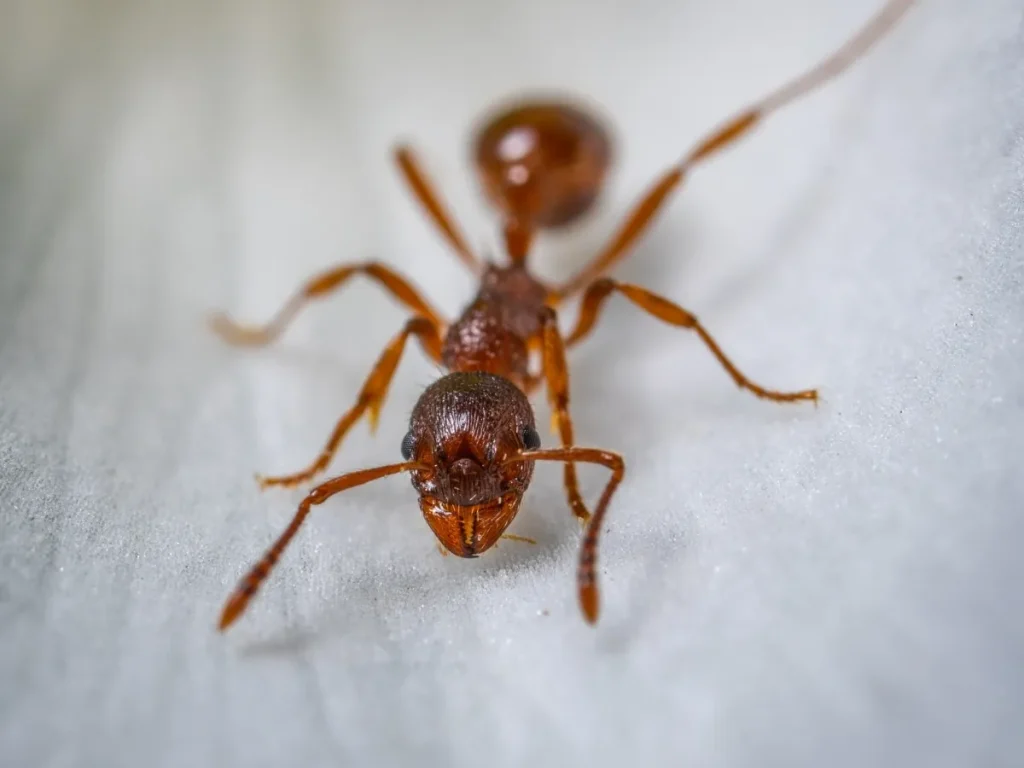
Other pests can contribute to garden damage in less direct ways. Ants, for example, often protect aphids because they feed on the sweet substance aphids produce. This relationship allows aphid populations to grow quickly and spread across plants. Rodents may also cause problems in gardens by digging through soil, disturbing plant roots, and eating fruits or vegetables. When these pests are left unmanaged, they can multiply rapidly and affect large sections of the garden. Understanding the common pests that appear in gardens helps homeowners take appropriate steps to protect their plants and maintain healthy growth.
Regular garden maintenance is an important part of effective garden pest control. Pests often thrive in areas where plants are overcrowded, debris accumulates, or vegetation is left unmanaged. These conditions create sheltered environments where insects and small animals can hide, reproduce, and remain undisturbed. By keeping the garden clean and organized, homeowners can reduce the number of places where pests are able to live and multiply. Simple maintenance tasks performed regularly can make a significant difference in limiting pest activity.
Removing dead leaves, fallen fruit, and other plant debris helps prevent pests from finding damp hiding spots that support their survival. These materials can attract insects and create conditions where pests gather and reproduce. Compost piles should also be monitored and managed properly so they do not become breeding areas for unwanted pests. In addition, removing weeds frequently is important because many insects live in weeds before spreading to nearby plants and crops. Maintaining a tidy garden environment reduces pest shelter and helps support healthier plant growth.
Healthy soil supports strong plants that are better able to resist pests. Plants growing in nutrient rich soil are often more resilient against insect damage. This is an important part of long term garden pest control. Overwatering can also attract pests. Excess moisture creates ideal conditions for insects like slugs and certain beetles. Watering plants early in the day allows soil to dry slightly before evening. Good drainage also helps prevent pest problems. When water does not collect in the soil, pests have fewer opportunities to thrive. Balanced watering helps keep plants healthy while reducing pest activity.
Nature provides helpful solutions for garden pest control. Many beneficial insects and animals feed on common garden pests. Encouraging these natural predators can help keep pest populations under control. Ladybugs are known for feeding on aphids and other small insects. Birds also help reduce pest numbers by eating caterpillars and beetles. Even certain spiders play a role by catching flying insects. Planting a variety of flowers can attract beneficial insects to the garden. These natural helpers create a balanced environment where pests are less likely to dominate. Supporting natural predators is a simple and eco friendly way to manage pests.
Physical barriers are an effective way to prevent pests from reaching plants before damage occurs. Unlike chemical treatments, barriers work by creating a protective separation between plants and the pests that feed on them. This approach is especially useful for vegetable gardens and young plants that are more vulnerable to insects and animals. By blocking access to the plants, homeowners can reduce pest damage while allowing crops to grow in a more controlled environment.
Garden netting is commonly used to protect plants from insects and birds that may feed on leaves, fruits, or seedlings. Row covers are another helpful option, as they provide a lightweight layer that allows sunlight, air, and moisture to reach the plants while keeping many pests away. For gardens that experience problems with larger animals, fencing can provide additional protection. Animals such as rabbits and other small wildlife often target vegetables and young plants, especially when food sources are limited. Installing barriers around garden beds helps prevent these animals from reaching the plants, allowing them to grow with less risk of pest damage.
Early detection is important for controlling pest problems. Regular garden inspections allow homeowners to spot issues before they become severe. Checking plants often is a key step in successful garden pest control. Look closely at leaves, stems, and soil around plants. Small holes, chewed edges, or discoloured leaves may indicate pest activity. Sticky residue or clusters of insects are also warning signs. If pest problems appear suddenly or become difficult to manage, professional help may be needed. Our team provides reliable solutions through our pest control services to help homeowners manage pest issues safely and effectively.
Sometimes garden pests become too difficult to control with basic methods. Large infestations or recurring pest problems may require professional treatment. Pest control experts have the knowledge and tools needed to manage these situations. Professionals can identify the exact type of pest causing damage. This helps determine the best treatment approach for protecting plants and surrounding areas.
Proper pest control methods ensure the garden remains healthy while reducing pest populations. At TAG Pest Control, we help homeowners protect their yards and gardens with safe and effective solutions. Residents searching for reliable Langley pest control services can trust our experienced team to provide expert support.
Gardens require care and attention to stay healthy and productive. Without proper protection, pests can quickly damage plants and reduce the beauty of your outdoor space. Effective garden pest control helps homeowners protect their plants while maintaining a balanced environment. Simple steps such as regular cleaning, proper watering, and encouraging natural predators can make a big difference. Physical barriers and routine inspections also help prevent pests from spreading through the garden.
When these strategies are combined, your garden has a much better chance of thriving. If pests are damaging your plants or becoming difficult to control, professional help is available. The team at TAG Pest Control provides trusted solutions designed to protect homes and outdoor spaces. To schedule an inspection or learn more, visit our contact page and discover how TAG Pest Control can help keep your garden healthy and pest free.